NYC Braces for Gridlock as 80,000 Fans Descend on World Cup Match
New York City, Tuesday, 16 June 2026.
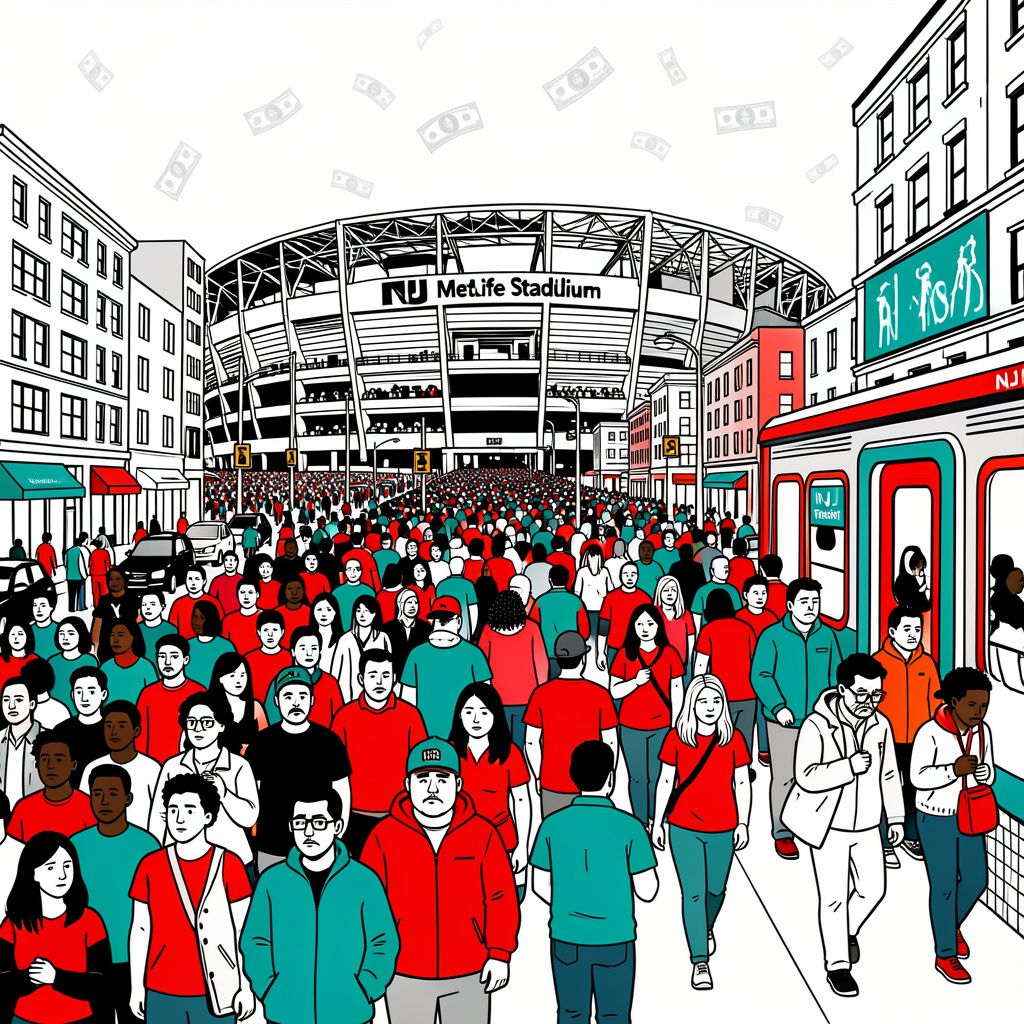
New York City faces unprecedented traffic chaos today as 80,000 fans flood MetLife Stadium for the France-Senegal World Cup match. Officials have closed key Midtown streets, including West 42nd Street, and restricted access around Penn Station—stranding commuters like Jennifer Charles, who called the transit planning ‘chaotic.’ With NJ Transit reserved for ticketholders and Uber shuttles priced at $49, locals and businesses are scrambling. The gridlock alert, lasting until 8 p.m., reveals the high stakes of hosting global events in urban hubs.
Midtown Manhattan in Lockdown: Streets Closed, Commuters Stranded
As of 09:00 local time on Tuesday, 16 June 2026, West 42nd Street between First Avenue and Twelfth Avenue has been fully closed to regular traffic, restricted exclusively to FIFA vehicles and buses transporting fans to MetLife Stadium for the France-Senegal World Cup match [1]. The closure, part of an unprecedented gridlock alert issued by the New York City Department of Transportation (NYC DOT), extends through 20:00, disrupting the evening commute for thousands of workers in Midtown Manhattan [1]. Streets east of Madison Square Garden, including key corridors around Penn Station, have also been shut down to accommodate 530 contracted buses staging in the area, creating a logistical bottleneck for cross-state commuters [1]. The closures mirror those implemented during the Brazil-Morocco match on 13 June 2026, when similar restrictions caused widespread delays [3].
Transit Chaos: NJ Transit Reserved, Uber Shuttles Priced at $49
NJ Transit, the primary rail link between New York City and MetLife Stadium, has been reserved for ticketholders from 11:00 until kickoff at 15:00, leaving non-ticketholders with limited options [2]. The transit agency’s dedicated entrance for World Cup fans has been activated, but commuters like Jennifer Charles, a Lyndhurst, New Jersey resident, have been left stranded at Penn Station, unable to board their usual trains [4]. “I just feel that the people in power should be better organized… telling people the trains aren’t running, because now how am I supposed to get home?” Charles told reporters on 7 June 2026, after similar disruptions during the tournament’s opening match [4]. With official stadium shuttle buses sold out—12,000 seats were available and snapped up within hours—fans and commuters are turning to alternatives like Uber’s $49 shuttle service or private parking at American Dream mall, priced at $225 per vehicle [1]. Private vehicles have been barred from MetLife Stadium entirely on match day, exacerbating congestion on surrounding roads [1].
Businesses Scramble as Logistics Collapse
The gridlock alert has forced businesses across Manhattan, Brooklyn, and surrounding boroughs to adjust logistics and employee commuting plans, with some companies opting for remote work arrangements [1]. Laura Rugarber, a NJ Transit commuter, noted that her employer had proactively allowed remote work for the day, a strategy echoed by other firms anticipating severe delays [1]. However, not all businesses have been as prepared. Truck deliveries in Midtown Manhattan—from 30th Street to 60th Street—have been restricted from 12:00 to 23:00, with exemptions only for smaller vehicles, emergency services, and essential deliveries [5]. The restrictions, part of a broader effort to manage traffic flow during the World Cup, have left freight operators scrambling to reroute shipments, with some reporting delays of up to 3 hours for last-mile deliveries [6]. “Logistics operations must redesign routes, schedule deliveries during off-peak hours, and rely on real-time traffic data to mitigate unpredictable congestion,” advised a logistics industry report on managing freight during the tournament [6].
The Economic Cost of Gridlock: A World Cup Side Effect
While the 2026 FIFA World Cup is expected to inject billions into the U.S. economy—with an estimated 1.2 million fans descending on the New York-New Jersey area alone—the gridlock alerts reveal the hidden costs of hosting such a massive event in urban centers [4]. The economic impact of traffic disruptions is difficult to quantify, but logistics experts warn that delays could cost businesses millions in lost productivity and increased operational expenses [6]. For example, NJ Transit’s standard $12.90 round-trip fare to MetLife Stadium ballooned to $98 for World Cup routes due to demand, a 659.69% increase that has priced out some fans and commuters [4]. “The beautiful game made an absolute mess of the Big Apple,” quipped the New York Post after the tournament’s opening match, capturing the frustration of locals caught in the crossfire of overlapping events, including an NBA Finals watch party and a 5 Seconds of Summer concert near Madison Square Garden [4]. With seven more match days scheduled through 19 July 2026, including the final, city officials are under pressure to balance the economic benefits of hosting the World Cup with the logistical nightmare of keeping the region moving [5].
What’s Next: Lessons from the Chaos
As the France-Senegal match kicks off at 15:00, officials are urging commuters to avoid non-essential travel and rely on mass transit where possible [2]. Mayor Zohran Mamdani has declared each match day a “Gridlock Alert Day,” a designation typically reserved for the busiest traffic days of the year, such as holidays or major parades [5]. For the final on 19 July 2026, road closures will begin 7 hours before kickoff—an hour earlier than other matches—reflecting the anticipated surge in attendance [5]. The disruptions have reignited debates about urban planning and the feasibility of hosting mega-events in cities already strained by congestion. “If the World Cup was in Europe, it would have been, like, way more organized,” Tim Bouman, a soccer fan from the Netherlands, told reporters after the opening match, a sentiment echoed by many locals [4]. With the tournament’s economic windfall still uncertain, the gridlock alerts serve as a stark reminder of the challenges cities face when balancing global prestige with local quality of life.