Novo Nordisk Shares Plunge 10% Following Failed Heart Disease Trial
Copenhagen, Friday, 31 July 2026.
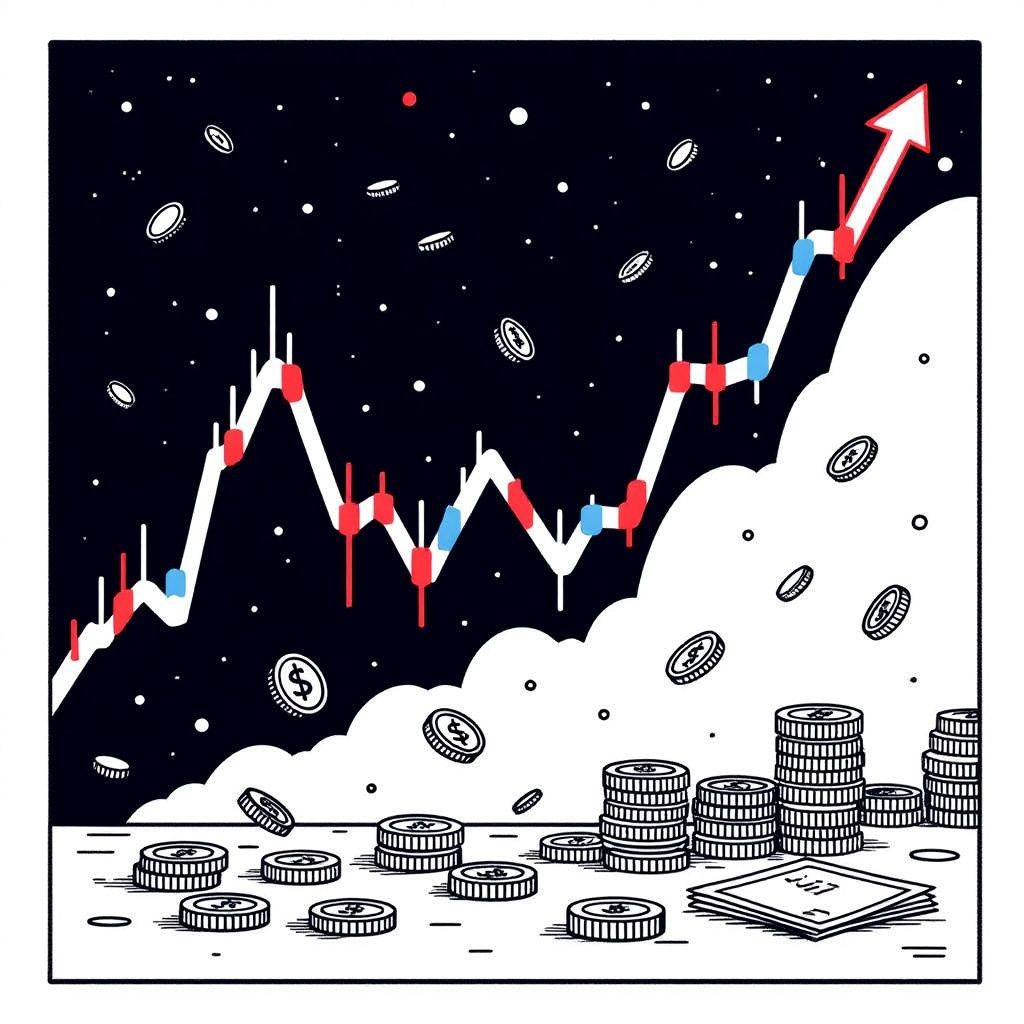
Novo Nordisk stock tumbled 10% on July 31, 2026, after its experimental drug ziltivekimab failed to reduce major cardiovascular risks, raising pipeline concerns beyond its flagship GLP-1 treatments.
Market Reaction and Trial Specifics
On July 31, 2026, Novo Nordisk shares experienced a significant decline, dropping 10% in early trading following the announcement [4]. European afternoon trading reflected a slightly moderated loss of 9.5%, indicating sustained investor caution throughout the session [1]. The sell-off was triggered by data from the ZEUS clinical trial, which status was updated to completed on July 27, 2026 [3]. The study evaluated the drug ziltivekimab in over 6,300 participants with established atherosclerotic cardiovascular disease and chronic kidney disease [4]. Results showed a hazard ratio of 0.99, failing to demonstrate a reduction in major adverse cardiovascular events compared to a placebo [4].
Market Reaction and Trial Specifics
Despite successfully inhibiting the IL-6 pathway, the drug did not translate biological markers into clinical cardiovascular risk reduction [4]. The safety profile indicated no difference in all-cause mortality, though a higher rate of serious infections was noted [4]. This outcome contrasts with the company’s previous success in metabolic areas, leading analysts to label the results a disappointment for shareholders [4]. The trial completion marks a critical juncture for the company’s cardio-metabolic strategy, as full data analysis and disclosure are now pending [3]. Investors are closely monitoring how this data strength will impact the company’s overall pipeline assessment [3].
Pipeline Diversification Strategy
This setback raises questions regarding the company’s efforts to diversify its portfolio beyond core diabetes and obesity treatments like Wegovy [2]. Ziltivekimab was positioned as a potential long-term earnings driver to broaden the company’s identity beyond GLP-1 therapies [2]. Analysts had identified potential risks associated with this expansion, including execution risks if development costs exceeded revenue projections [2]. In response to the trial failure, the company plans to record a non-cash impairment charge in the third quarter of 2026 [4]. However, the 2026 adjusted operating profit outlook remains unchanged despite the impairment [4].
Pipeline Diversification Strategy
Novo Nordisk intends to continue testing ziltivekimab in people with heart failure and those who have suffered an acute heart attack [1]. Results for these two additional trials are expected in the first half of 2027 [1]. This timeline suggests a prolonged period of uncertainty for this specific asset class within the pipeline [4]. Wall Street is expected to heavily discount other IL-6 cardiovascular programs until further readouts occur, estimated around July 2027 [4]. The company’s valuation remains contingent on the strength of future data to reassure investors of pipeline depth beyond weight-loss drugs [3].
Legal and Competitive Pressures
Compounding the trial news, a federal judge allowed a class-action lawsuit regarding the experimental obesity drug CagriSema to proceed on July 28, 2026 [5]. U.S. District Judge Robert Kirsch ruled that investors plausibly alleged the company misled them about trial design and drug tolerability [5]. The litigation centers on the REDEFINE 1 obesity trial, which concluded in December 2024 with 20.4% average weight loss, missing the 25% expectation by 4.6 percentage points [7]. Disclosures revealed a flexible dosing protocol where only 57.3% of participants reached the highest planned dose [7]. Judge Kirsch determined plaintiffs sufficiently alleged that Chief Scientific Officer Martin Holst Lange acted with fraudulent intent by implying dosing practices aligned with earlier trials [6].
Legal and Competitive Pressures
In a separate legal maneuver, the company sued Eli Lilly in federal court on July 21, 2026, alleging unfair advertising practices related to GLP-1 drug comparisons [7]. A federal judge in Trenton is scheduled to hear the request for a preliminary injunction to halt Eli Lilly’s nationwide advertising on August 27, 2026 [7]. These legal challenges occur as the company faces pricing pressure and volume growth concerns in core GLP-1 markets [2]. Industry peers have already experienced pre-market share price pressure following the trial news, indicating broader sector sensitivity [4]. The convergence of clinical setbacks and legal scrutiny presents a complex landscape for the pharmaceutical giant moving into the second half of 2026 [4].
Sources
- www.wsj.com
- simplywall.st
- www.theglobeandmail.com
- m.investing.com
- www.cnbc.com
- www.lawcommentary.com
- pharma.economictimes.indiatimes.com