U.S. Emergency Oil Reserves Drop to 40-Year Lows Amid Global Market Interventions
Washington, Monday, 12 October 2026.
U.S. oil reserves have dropped to 1982 levels amid international releases, while federal audits reveal degrading underground infrastructure now severely limits the nation’s capacity to refill them.
IEA Accelerates Release as SPR Hits 1982 Lows
As the International Energy Agency (IEA) accelerates a record 400-million-barrel emergency oil stock release, the United States Strategic Petroleum Reserve (SPR) faces unprecedented strain. Current data indicates the U.S. reserve has declined to approximately 284 million barrels, the lowest volume since 1982, following a 172-million-barrel commitment initiated in March 2026 [1][3]. This depletion marks a significant continuation from previously reported levels, where the reserve had already fallen to a 43-year low of 331 million barrels earlier in the year [8]. On October 7, 2026, IEA member governments agreed to accelerate the delivery of pledged stocks, specifically prioritizing diesel fuel to mitigate market tightness caused by refinery damage and shipping disruptions in Iran and Ukraine [1][6]. This action compounds the G7 agreement from October 2, 2026, which mandated a coordinated release of 100 million barrels over a four-month period to stabilize immediate energy supplies [3][7]. Global public emergency oil stocks have subsequently decreased from 1.2 billion barrels in March 2026 to roughly 1.1 billion barrels as of October 2026 [3][6]. Saudi Aramco CEO Amin Nasser estimated that over 1 billion barrels have been withdrawn from worldwide stockpiles during this period, underscoring the scale of the intervention [3][6]. The IEA Executive Director Fatih Birol has urged member nations to consider further diesel releases ahead of a governing board meeting scheduled for October 15, 2026 [1][6].
Infrastructure Degradation and Refilling Challenges
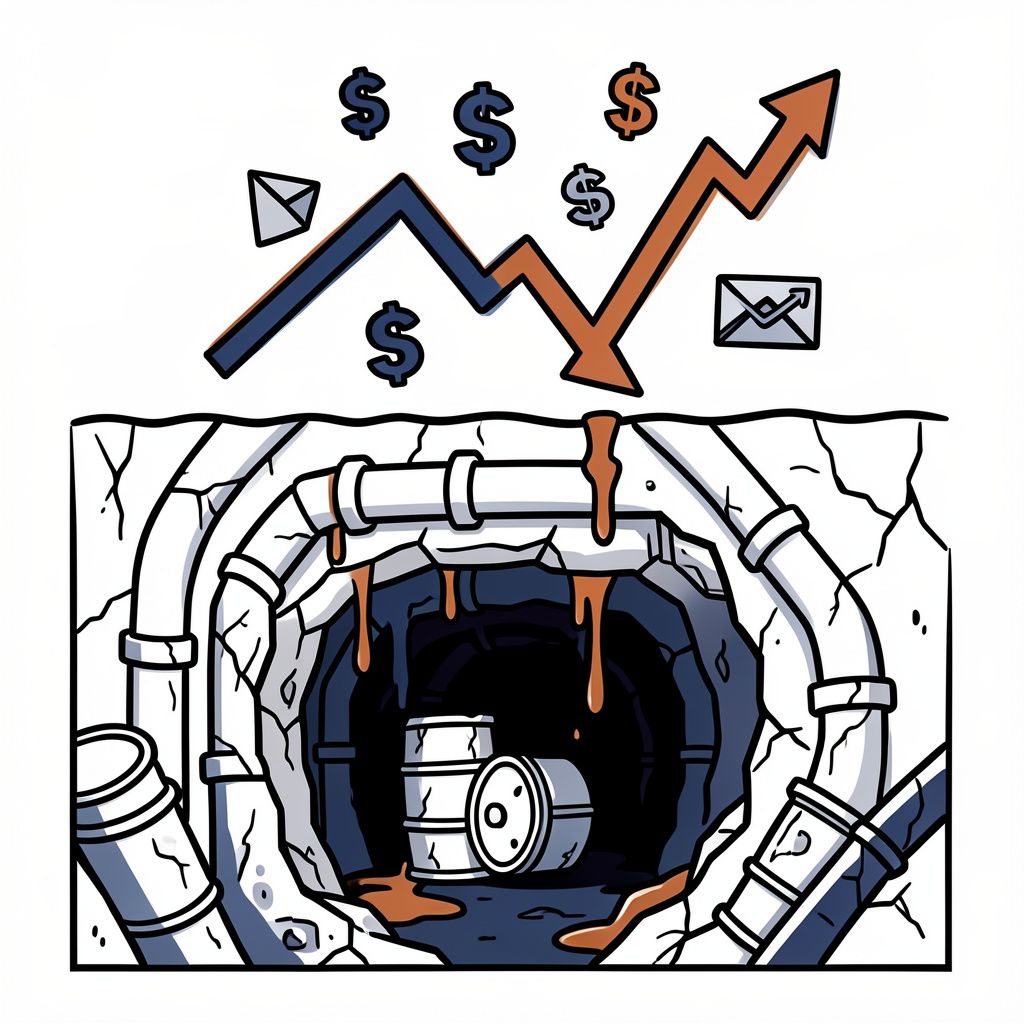
While global markets rely on these reserves, a Government Accountability Office (GAO) report released in June 2026 reveals critical vulnerabilities within the U.S. infrastructure. The SPR is currently operating at only 61% of its designed drawdown capacity and 56% of its fill capacity due to aging infrastructure and maintenance backlogs [2][7]. Although the theoretical maximum fill rate is 0.785 million barrels per day, current operational conditions limit this to approximately 0.44 million barrels per day [2][7]. Physical degradation is evident; three of six caverns at Bayou Choctaw are nearing end-of-life, and a well failure at Bryan Mound in May 2024 resulted in a 400,000-barrel loss [2][7]. Financially, the path to restoration is obstructed; the Department of Energy estimates a cost of $20 billion to purchase the 250 million barrels required to reach an effective capacity of 680 million barrels [2][7]. In contrast, Congress allocated only $171 million in the previous year’s reconciliation law, a sum exhausted by May 2026 on a single 1-million-barrel contract [2][7]. Energy Secretary Chris Wright has warned that drawing the reserve down too far could damage the salt caverns where the oil is stored, effectively complicating the administration’s pledge to refill the reserve [1][6].
Recent Domestic Disruptions and Future Outlook
Compounding the strategic depletion, domestic weather events have triggered additional emergency releases. On October 11, 2026, the Department of Energy authorized the release of up to 4 million barrels of crude oil to ExxonMobil and BP America to maintain refinery operations disrupted by Hurricane Isaias [5]. Under this emergency exchange agreement, the borrowed crude must be returned in 2027 along with additional barrels as a premium [5]. Looking ahead, the G7 has requested a follow-up IEA report due by October 31, 2026, to outline replenishment strategies and infrastructure improvements [1][6]. Projections indicate the U.S. SPR could drop further to roughly 243 million barrels upon completion of final deliveries scheduled for late 2026 [1][3]. This level represents a 41.446 percent decline from the 415 million barrels held on February 28, 2026, prior to the latest series of interventions [2][4]. Oil executives project a return to normal Persian Gulf export levels by the second quarter of 2027, though the DOE faces a refilling timeline estimated at 220 to 230 days of continuous operation for owed exchanges alone [2][7]. Without an updated long-term plan, policymakers remain uncertain about what the SPR is capable of meeting future U.S. needs and obligations [1][6].
Sources
- fortune.com
- oilprice.com
- www.yahoo.com
- finance.yahoo.com
- www.instagram.com
- nile1.com
- oilprice.com
- wsnext.com