Zelensky Advances Peace Talks with US Envoys Amid Proposals for Donetsk Economic Zone
Kyiv, Friday, 26 December 2025.
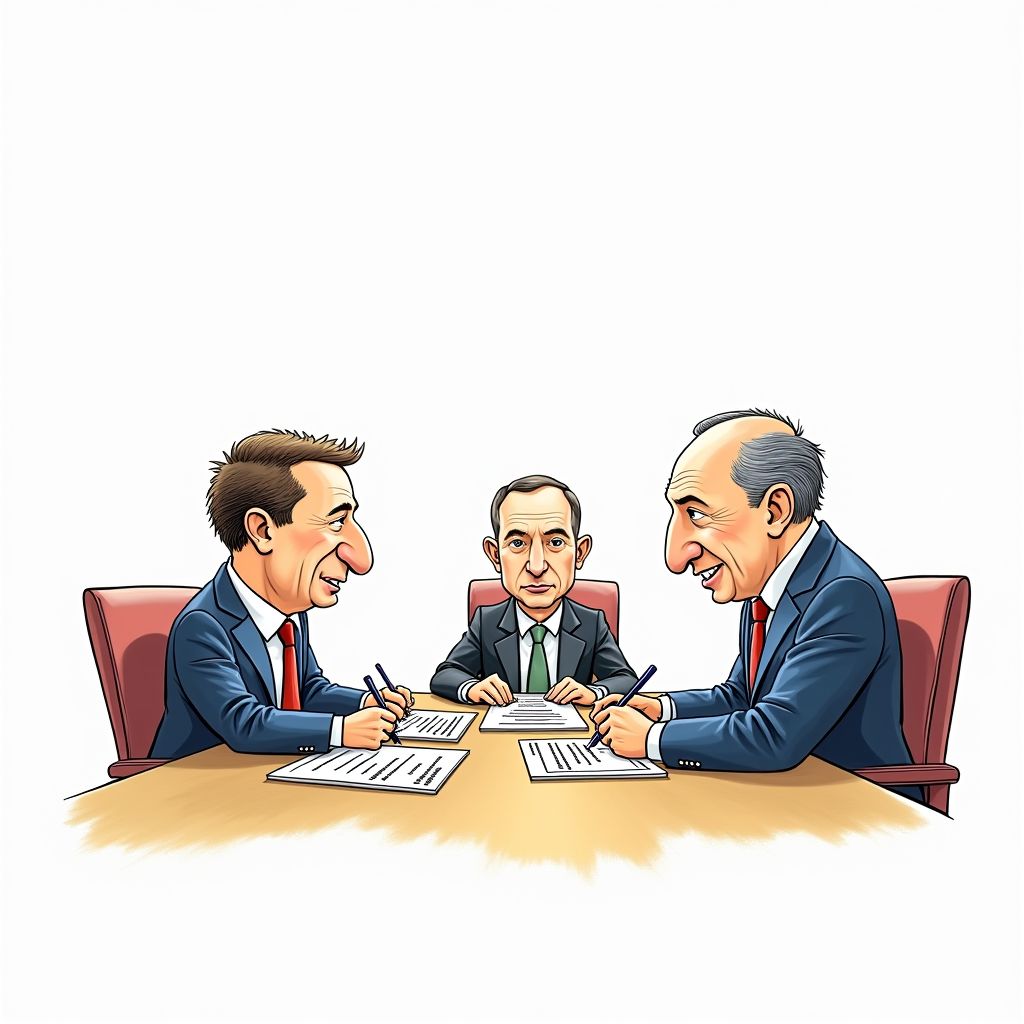
Talks with US envoys Kushner and Witkoff yielded a 20-point framework, notably proposing a “free economic zone” for the Donetsk region to potentially stabilize the Eastern European conflict.
Diplomatic Momentum and the 20-Point Plan
Following a series of high-level discussions culminating on December 25, 2025, President Volodymyr Zelensky expressed optimism regarding a new diplomatic framework designed to end the conflict with Russia [3][4]. In conversations with U.S. President Donald Trump’s envoys, Steve Witkoff and Jared Kushner, Zelensky characterized the dialogue as “very good,” highlighting a “constructive approach” toward resolving what he termed a “brutal Russian war” [3][5]. These discussions focused on “substantive details” of an emerging peace architecture, with Ukrainian negotiator Rustem Umerov scheduled to continue the dialogue with the American delegation later that same day [3].
Economic Zones and Security Guarantees
Central to these negotiations is an updated 20-point peace plan, initially agreed upon by U.S. and Ukrainian envoys in Florida and detailed by Zelensky on December 23 [2]. A pivotal economic component of this proposal involves the creation of a “free economic zone” within the Donetsk region [2]. This mechanism aims to address the complex status of the Donbas territories—where Moscow currently controls approximately 75% of the Donetsk region and 99% of the Luhansk region—by potentially substituting direct military confrontation with economic integration and demilitarization [2].
Strategic Concessions and Market Reactions
The negotiation process has required delicate maneuvering regarding territorial claims. While Zelensky conceded on December 23 that the document contained points he did not favor, he noted that Ukrainian negotiators succeeded in removing immediate requirements for a full withdrawal from the Donetsk region [3][4]. Crucially, the current draft prevents land seized by Moscow’s army from being formally recognized as Russian territory, a stance that preserves Ukraine’s legal sovereignty while opening channels for de-escalation [3].