US Navy Confirms Eight Suicide Attempts During Extended Deployment
Washington, Thursday, 24 September 2026.
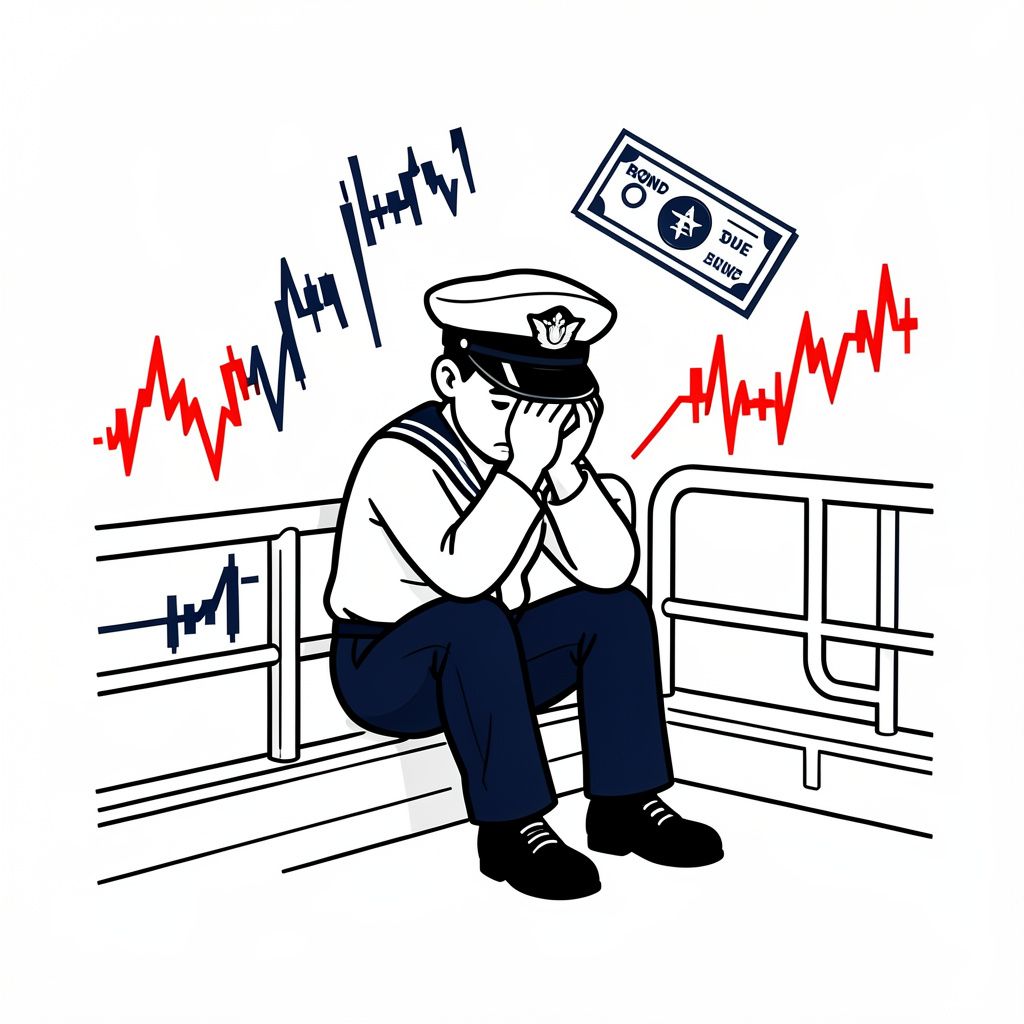
The US Navy confirmed eight suicide attempts aboard the USS Abraham Lincoln strike group during a 286-day deployment, highlighting growing concerns over military mental health during extended conflict.
Confirmation of Suicide Attempts Among Deployed Sailors
The United States Navy has confirmed that eight service members assigned to the USS Abraham Lincoln carrier strike group attempted suicide during a high-intensity deployment in the Middle East region [1][2]. Acting Navy Secretary Hung Cao disclosed the figures in a letter dated September 22, 2026, responding to inquiries from Senator Kirsten Gillibrand regarding sailor well-being [2][3]. The incidents occurred across the strike group, encompassing the carrier crew, air wing, destroyer squadron staff, and embarked aviation squadrons [1][4]. While no deaths were attributed to suicide, the confirmation highlights a critical strain on personnel during prolonged geopolitical conflicts [3][4].
The deployment involved approximately 5,000 crew members, meaning the reported attempts represent a rate of 0.16 percent of the crew [2]. Acting Secretary Cao stated that since the beginning of the Lincoln’s deployment, there have been a total of eight suicide attempts across the strike group [1]. The Navy maintains that support services remain available and denies a systemic mental health crisis, though the concentration of incidents during this specific voyage has drawn sharp scrutiny [2][3]. This data provides a concrete, albeit distressing, metric for assessing the human cost of extended operational tempo [4].
Operational Timeline and Onboard Conditions
The USS Abraham Lincoln departed San Diego in November 2025 and was subsequently redirected to the Middle East in February 2026 following the outbreak of war with Iran [2][4]. Although the deployment was originally scheduled to conclude in May 2026, the mission was extended multiple times, resulting in the crew remaining at sea for 286 days without a standard port call cycle [1][4]. Conditions on the ship reportedly included allegations of mold in showers, dwindling supplies of soap and food, and a temporary reduction of entrée options to optimize endurance [1]. The carrier docked in Laem Chabang Port in Thailand on September 1, 2026, for shore leave before continuing its return transit [2][3].
During the deployment, specific incidents included a thwarted overboard attempt in March 2026 and one successful overboard jump in August 2026, where the sailor was rescued and transferred for medical care [1]. The ship was relieved by the USS George Washington in August 2026 after a record 250-day voyage segment [2]. As of September 21, 2026, the USS Abraham Lincoln arrived in Guam while en route to its home port, though the exact return schedule to San Diego remains classified [3][4]. These logistical details underscore the physical duration sailors spent in a high-stress environment without standard respite [2].
Political Responses and Administrative Accountability
Senator Kirsten Gillibrand, a member of the Senate’s armed services committee, issued a statement condemning the administration’s handling of the situation, characterizing previous dismissals of the crisis as fake news [1][2]. Gillibrand criticized President Donald Trump and Defense Secretary Pete Hegseth, stating that what they dismissed turned out to be serious and deteriorating conditions for service members [1][4]. She further contrasted the funding of bombs, ballrooms, and billionaires with the perceived neglect of service members’ mental health and welfare [1]. This exchange marks a significant point of contention between the Democratic opposition and the Republican administration regarding defense human capital management [1][4].
Conversely, Defense Secretary Hegseth asserted that the administration ensures every ship, crew, and captain has everything provided at every single moment [1]. An unnamed Navy official echoed this sentiment, stating that the Navy and the Navy secretary are very committed to sailor health, wellbeing, and morale [1]. Acting Secretary Cao’s letter aimed to address these concerns directly, though it did not alleviate the political friction surrounding the deployment’s management [2][3]. The divergence in narratives suggests ongoing debate over resource allocation and operational priorities within the Department of Defense [4].
BroImplications for Defense Policy and Mental Health
A January 2025 study of 956 sailors published in Military Medicine identified that US Navy personnel aboard ships experience the highest rates of serious psychological distress among all US military branches [2]. The study highlighted unique stressors such as poor habitability, noise, and demanding schedules that leave inadequate time for sleep and rest [2]. Statistics from the Veterans Administration indicate that military veterans experience higher rates of suicide compared to the general US population, while an analysis by USNI News identifies suicide as a leading cause of death within the US Navy and Marine Corps [2]. These background factors provide context for the urgency surrounding the USS Abraham Lincoln incidents [2][4].
Looking forward, the incident underscores growing concerns over operational strain, mental health resources, and readiness across US military forces deployed during prolonged geopolitical conflicts [1]. Acting Secretary Cao stated that the Navy must confront the rising tide of suicide head-on, signaling potential policy adjustments [3]. As the USS Abraham Lincoln completes its return voyage, defense policymakers will likely face increased pressure to evaluate deployment lengths and onboard support structures [3][4]. The outcome of this evaluation will influence future defense policy and military human capital management strategies [1].