U.S. Pressure Campaign Pushes Cuba to the Brink of Regime Change
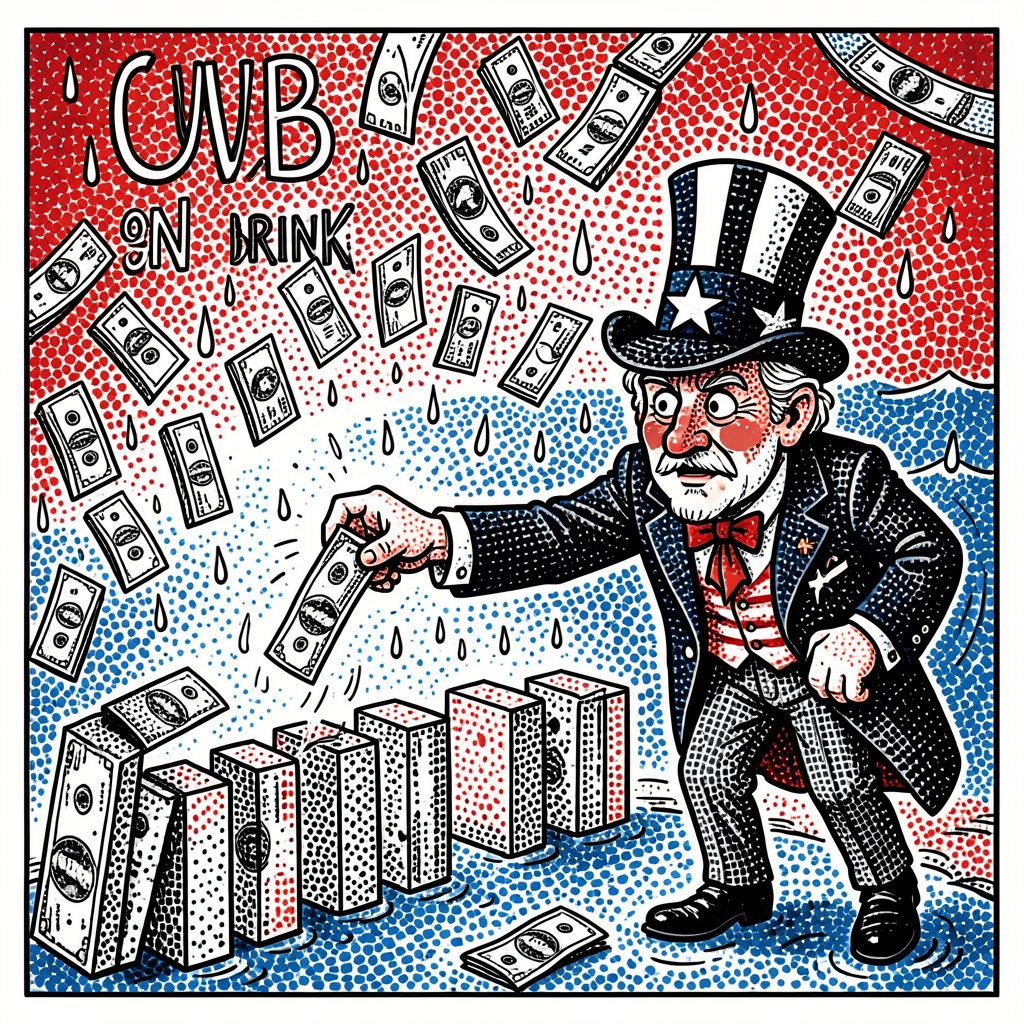
Washington, D.C., Friday, 22 May 2026.
As U.S. pressure pushes Cuba’s 67-year-old government toward collapse, the potential regime change presents complex new emerging market opportunities and immediate geopolitical risks for investors.
Escalating Military and Legal Pressure
The Trump administration’s multifaceted approach to Cuba has rapidly intensified in the third week of May 2026, combining aggressive military posturing with unprecedented legal maneuvers [1][2]. On May 20 and 21, the USS Nimitz arrived in the southern Caribbean Sea, signaling a stark military buildup directed at Havana [1]. Concurrently, Republican President Donald Trump indicated his willingness to intervene, stating to reporters that while previous presidents have observed the situation for decades, “it looks like I’ll be the one that does it” [1][2]. This rhetoric is backed by the unprecedented May 18 indictment of 94-year-old former Cuban President Raúl Castro for murder, stemming from the 1996 downing of two civilian planes operated by Cuban exiles [2][4]. Acting Attorney General Todd Blanche underscored the administration’s resolve, noting he expects Castro to appear in the U.S. “by his own will or another way” [2].
National Security Threats and the Post-Communist Void
Washington’s justification for potential intervention rests heavily on claims that the 67-year-old communist regime poses an imminent national security threat to the United States [1][2]. Secretary Rubio has explicitly pointed to Havana’s acquisition of weapons from Russia and China, alongside the active presence of intelligence operatives from both nations within Cuba’s borders [1][3]. Furthermore, the Trump administration alleges that Cuba has amassed an arsenal of over 300 military drones, with intelligence suggesting the regime considered deploying them against the U.S. naval base at Guantánamo Bay, American maritime vessels, or even targets within Florida [1]. While Rubio stated on May 21 that the president’s preference remains a peaceful, negotiated agreement, he frankly admitted the likelihood of such a diplomatic solution is “not high,” deliberately leaving the door open for military action [3]. Adding to the domestic pressure campaign, Rubio also announced the May 19 arrest of Adys Lastres Morera in Florida, the sister of a top Cuban military official, pending deportation for allegedly aiding the regime [2].