Global Investors Retreat as Geopolitical Tensions Halt the 2026 Bull Market
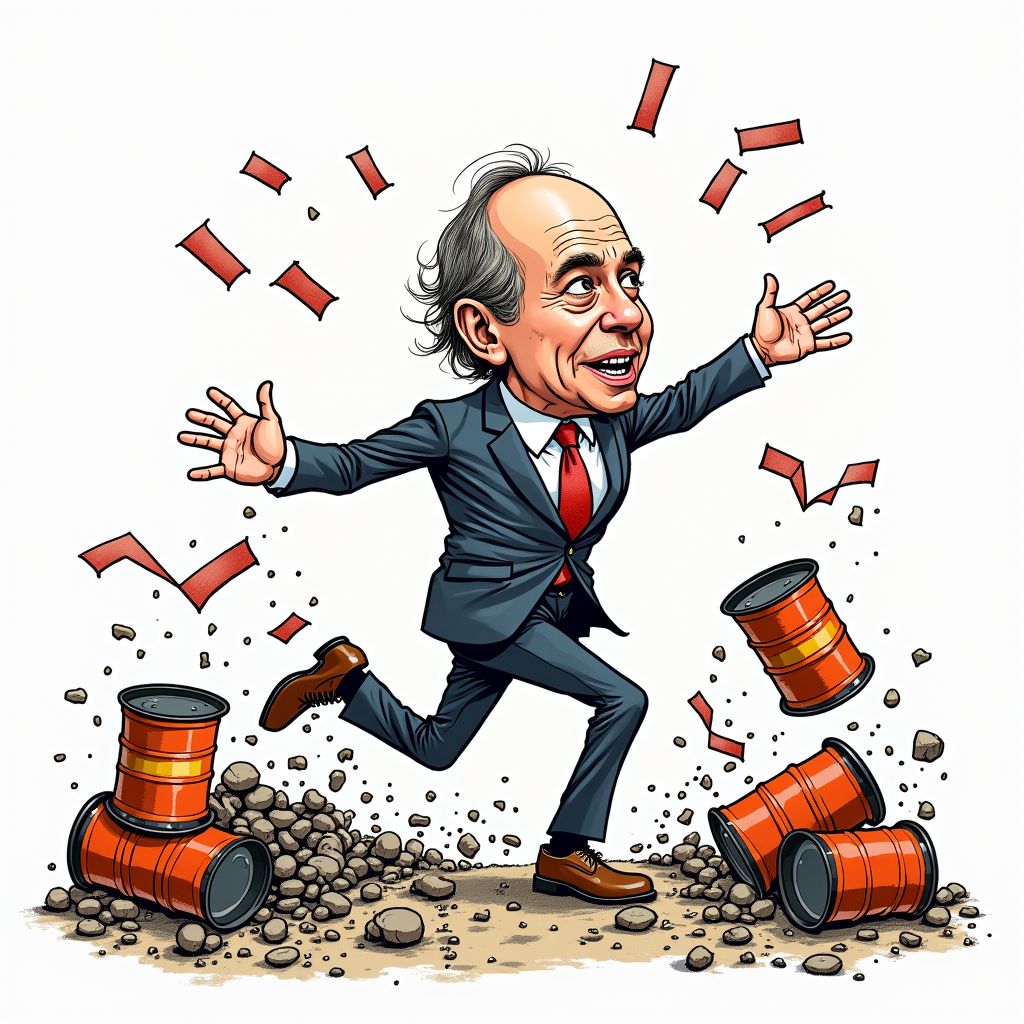
New York, Wednesday, 18 March 2026.
As oil surpasses $100 per barrel in March 2026, institutional investors are abandoning optimism. Billionaire Ray Dalio warns these escalating global conflicts mirror dangerous pre-1945 economic conditions.
A Sudden Shift in Institutional Sentiment
According to the latest Bank of America global fund manager survey, highlighted on March 17, 2026, the unwavering confidence that characterized equities earlier in the year has abruptly dissolved [1][2]. For months, institutional investors operated under the assumption that the market was bulletproof, fueling a frothy bull run [1]. However, escalating geopolitical tensions involving Iran have forced a rapid recalibration of global portfolios [1]. The stark reality of an oil shock is finally piercing the previously persistent disconnect between macroeconomic threats and market optimism [1].
Echoes of a Pre-1945 World Order
Billionaire investor Ray Dalio has been highly vocal about the structural fragility of the current geopolitical landscape. Following his initial warnings at the Fortune Global Forum in Riyadh on October 27, 2025—exactly 142 days prior to today’s date of March 18, 2026—Dalio has consistently sounded the alarm on global instability [3]. In a recent piece published on March 14, 2026, he argued that the global economy has entered stage five of what he terms the “Big Cycle” [3]. He explicitly warned that the modern era is “more analogous to pre-1945 times than the post-1945 times,” suggesting that investors who rely on the stability of the post-World War II order are being misled by their own historical expectations [3].
Technological Disruption and Macro Volatility
Compounding these geopolitical fractures is the rapid acceleration of artificial intelligence, which is injecting profound volatility into the global economy. Artificial general intelligence is currently driving a drastic shift in wealth distribution and carries the potential for widespread job destruction [3]. Financial experts note that this technological leap could materially change the fundamental structure of money and the nature of economic growth [3].