Global Markets Rally as White House Suspends Planned European Tariffs
Davos, Wednesday, 21 January 2026.
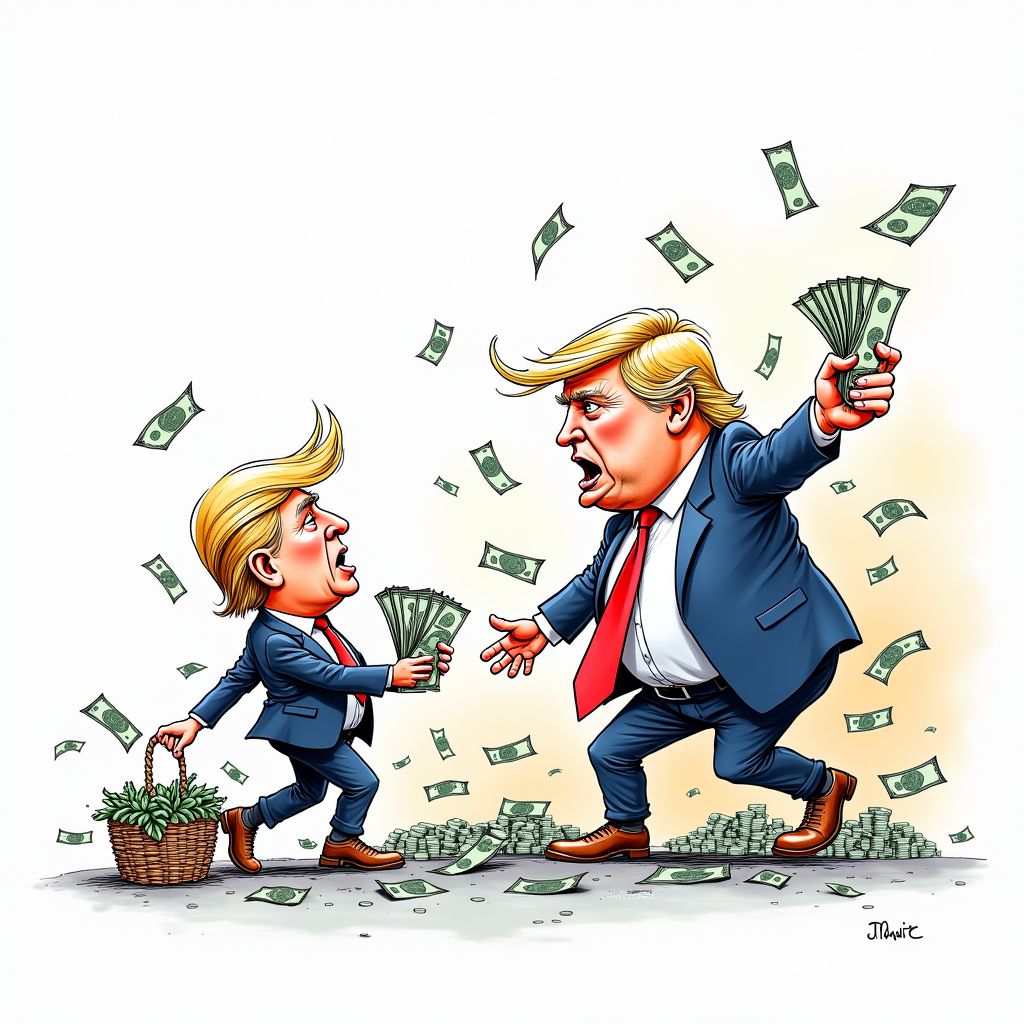
Markets rallied Wednesday as investors embraced the ‘TACO’ thesis following Trump’s tariff reversal. The move reinforces the belief that the administration’s aggressive rhetoric is primarily a strategic negotiating tactic.
Global Markets Rally as White House Suspends Planned European Tariffs
United States equities surged on Wednesday, January 21, 2026, as investors responded to a significant de-escalation in transatlantic trade tensions. Following our previous coverage regarding the emerging mineral rights agreement, President Trump has explicitly confirmed he will not enforce the 10% tariffs on European allies that were scheduled for February 1 [2][6]. The announcement, made via social media during the World Economic Forum in Davos, Switzerland, marks a pivot from the administration’s earlier threats to use economic leverage—and potentially force—to secure strategic interests in Greenland [6].
Diplomatic Breakthrough at Davos
The reversal follows what President Trump characterized as a “very productive meeting” with NATO Secretary General Mark Rutte in Davos on Wednesday [6]. While the administration had previously threatened eight European nations with levies if they did not support the U.S. bid for Greenland, the President stated that a new “framework of a future deal” regarding the Arctic region has rendered those measures unnecessary [2][6]. Furthermore, Trump publicly committed to not using military force to acquire the Danish territory, a sharp departure from his earlier rhetoric where he claimed the U.S. needed “full title” to the island to construct a “Golden Dome” defense system [1][6].
The Return of the ‘TACO’ Trade
Market participants have interpreted this rapid shift as a validation of the “TACO” (Trump Always Chickens Out) thesis—a belief prevalent on Wall Street that the President’s aggressive initial threats are often negotiating ploys rather than fixed policy [3][4]. California Governor Gavin Newsom seized on the sentiment, describing the events in Davos as “TACO Tuesday,” implying that the administration backed down following pushback from European leaders like French President Emmanuel Macron [1]. This theory suggests that while the President creates noise to generate leverage, he often retreats from the most disruptive economic consequences to preserve market stability [3][4].
From ‘Full Title’ to Strategic Framework
While the threat of imminent tariffs has been neutralized, the administration continues to pursue U.S. interests in the Arctic through new diplomatic channels. President Trump announced that negotiations regarding the Greenland framework will be led by a high-level team including Vice President JD Vance, Secretary of State Marco Rubio, and Special Envoy Steve Witkoff [2]. This diplomatic track replaces the previous ultimatum, where the President had reportedly told Commerce Secretary Howard Lutnick that the European economy would be “dead” without compliance [1]. The focus has now shifted from outright acquisition of the territory—which Trump previously called a “small ask” for a “piece of ice”—to a strategic partnership within the NATO alliance [1][2].