Public Mistrust Drives Seven in Ten U.S. Scientists and Doctors to Reconsider Careers
New York, Tuesday, 10 November 2026.
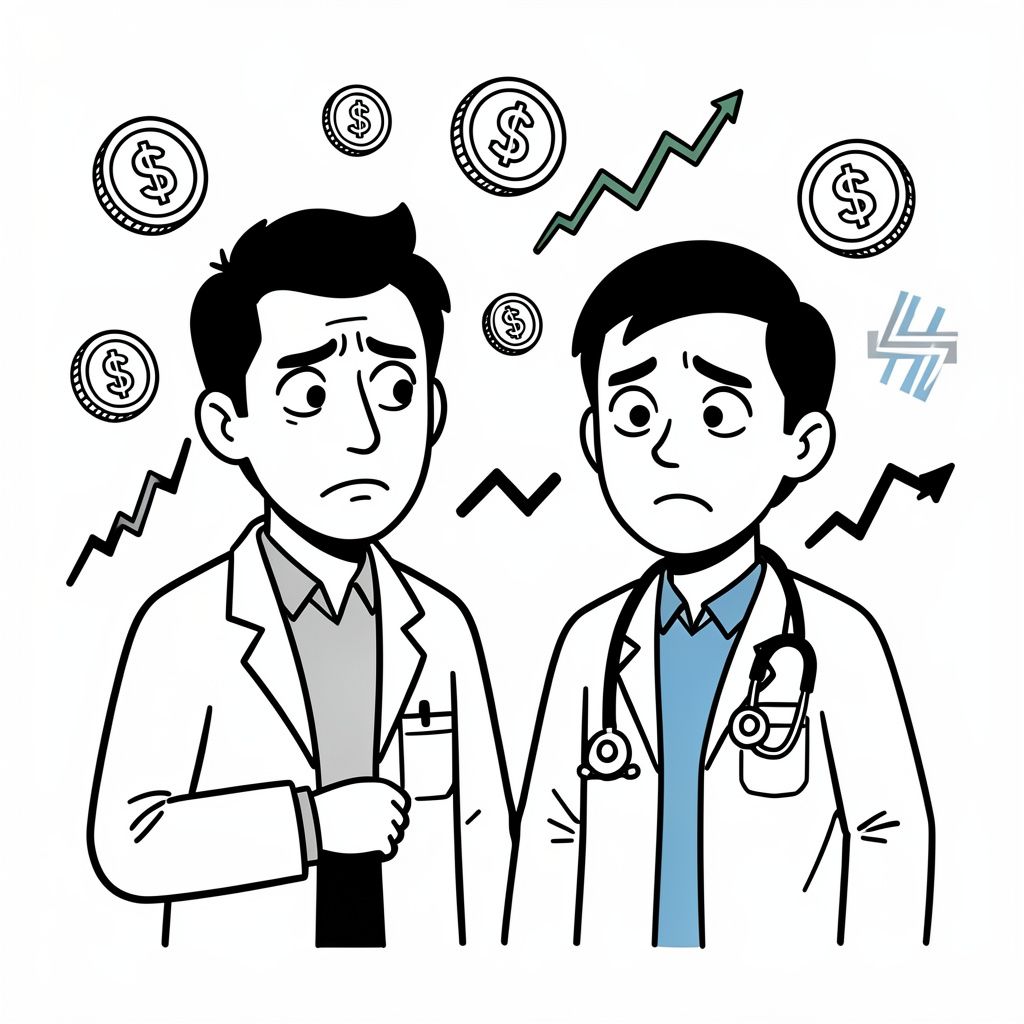
A nationwide survey reveals rising misinformation and public cynicism have prompted 70% of American researchers and physicians to rethink their careers, posing serious risks to future medical innovation.
A National Crisis of Trust in Science
A groundbreaking survey released on 10 November 2026 by Stagwell’s The Harris Poll—commissioned by Bayer—paints a stark picture of America’s eroding trust in science and medicine. The findings, based on responses from 202 primary care physicians, 250 scientists or engineers, and 254 STEM graduate students collected between 23 September and 14 October 2026, reveal that 89% of doctors, 91% of scientists, and 95% of graduate students are deeply concerned about online science and health misinformation [1][3][5]. This alarming trend spans political affiliations, with 90% of doctors, 91% of scientists, and 89% of graduate students expressing concern over political interference in scientific research priorities [1][3][5]. The data underscores a systemic challenge: public cynicism and misinformation are not just abstract concerns but active threats to the future of U.S. innovation.
Career Rethinking: The Human Cost of Distrust
The most immediate impact of this erosion of trust is its effect on the scientific workforce. A staggering 69% of doctors, 71% of scientists, and 72% of graduate students have reconsidered their career paths due to public cynicism—a sentiment echoed across professional demographics [1][3][5]. The psychological toll is compounded by fears of brain drain, with 81% of doctors, 84% of scientists, and 89% of graduate students worried about losing talent to other countries [1][3][5]. For a nation that has long prided itself on being a global leader in scientific research, these statistics represent a potential inflection point. The Harris Poll’s findings suggest that without intervention, the U.S. could face a critical shortage of researchers and physicians, undermining its competitive edge in biotechnology, pharmaceuticals, and healthcare innovation.
Economic Implications: A Threat to Long-Term Growth
The economic ramifications of this crisis extend far beyond individual career decisions. The U.S. biotechnology and pharmaceutical sectors, which collectively contribute over $1.3 trillion annually to the national economy [GPT], rely heavily on sustained investment in research and development (R&D). However, the survey highlights a paradox: while 91% of doctors, 90% of scientists, and 87% of graduate students believe that adequate R&D funding could place humanity just a few years away from solving major health challenges [1][3][5], 94% of doctors, 89% of scientists, and 90% of graduate students still expect the U.S. to maintain its leadership in scientific research over the next decade [1][3][5]. This optimism, however, is tempered by the growing reluctance of professionals to remain in their fields. If current trends persist, the U.S. risks ceding ground to international competitors in high-value industries, from drug discovery to advanced medical technologies.
The Role of Policy and Corporate Leadership
The data underscores an urgent call to action for policymakers and corporate leaders. John Gerzema, CEO of The Harris Poll, emphasized the need for systemic support: ‘The scientists and doctors working on tomorrow’s breakthroughs are sending a clear signal today: innovation cannot thrive without public trust’ [1][3][5]. The survey’s findings suggest that addressing this crisis will require a multi-pronged approach, including combating misinformation through public education campaigns, ensuring stable funding for scientific institutions, and fostering an environment where research is insulated from political interference. For corporate stakeholders, the stakes are equally high. Companies in the biotech and healthcare sectors must not only invest in R&D but also in workforce retention strategies, such as competitive salaries, research autonomy, and clear pathways for career advancement. Failure to act could result in a significant loss of human capital, with ripple effects across the broader economy.