Rising Gas Prices Threaten Republican Control of the Senate
Washington, Thursday, 3 September 2026.
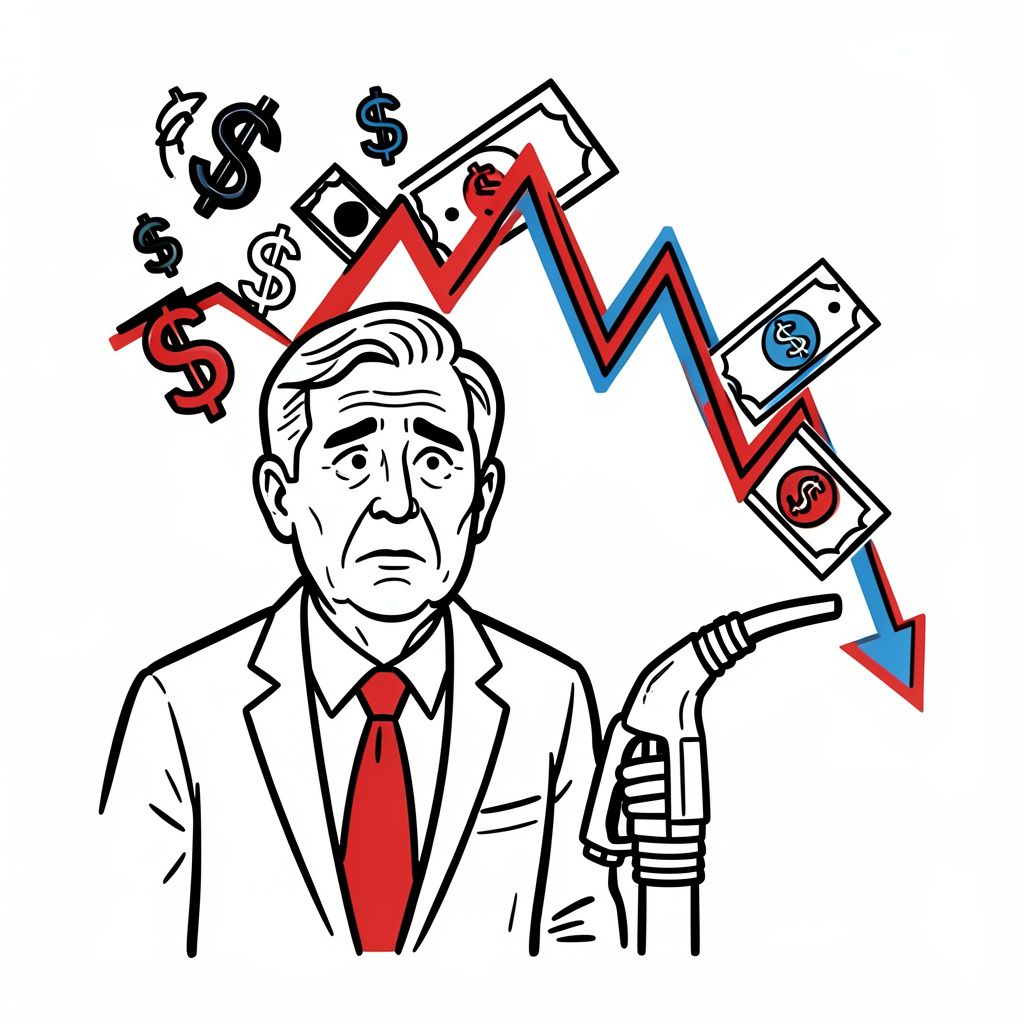
Senate Majority Leader John Thune warns Republicans could lose their majority this November, citing escalating U.S. gas prices driven by conflict in the Strait of Hormuz.
Thune’s Realistic Assessment of Senate Control
Senate Majority Leader John Thune (R-S.D.) has publicly acknowledged concerns regarding the Republican Party’s ability to retain its Senate majority in the upcoming midterm elections. In an interview published on September 2, 2026, Thune described the political environment as “competitive” and stated, “I worry about that, for sure. I’m a realist” [1][2]. This admission marks a significant moment for the Republican leadership, as Thune emphasized the difficulty of the current political landscape without sugarcoating the challenges posed by voter sentiment [3]. The interview was conducted with KELO News in South Dakota on Tuesday, September 1, 2026, highlighting the immediacy of these concerns just two months before the election [2].
The Majority Leader’s comments reflect a broader anxiety within the party regarding macroeconomic headwinds that are influencing voter behavior. Thune noted that while Republicans have “the highest-quality candidates,” external factors such as sustained consumer prices are shifting the political dynamics [1][3]. This perspective aligns with data from Decision Desk HQ reported on August 26, 2026, which indicated Republicans had a 52 percent chance of holding the Senate majority, compared to 48 percent for Democrats, marking the closest race since June 2026 [1]. The narrowing margin underscores the fragility of the GOP’s position as they approach the November 2026 midterms [3].
Geopolitical Tensions and Energy Costs
A central component of Thune’s economic concern revolves around energy prices linked to geopolitical instability. The Majority Leader identified the conflict in the Strait of Hormuz as a critical issue, specifically noting its impact on U.S. gas prices [1]. Thune stated, “The challenge we have right now is Strait of Hormuz and the economic impact that’s having on gas prices in this country,” emphasizing the importance of keeping the waterway open to prevent Iranian restrictions or taxes on international trade [1]. This geopolitical tension escalated recently, with U.S. forces conducting significant airstrikes against Iranian targets on September 2, 2026, further complicating the economic outlook [4].
The connection between foreign policy and domestic inflation is a key consideration for voters heading into the election cycle. Thune remarked that ensuring Iranians cannot restrict or toll the international waterway is “really important” and constitutes a “key consideration in all this” [1]. High fuel costs are historically a liability for the incumbent party, and with President Trump’s approval ratings slumping, the administration faces compounded pressure [1]. The interplay between military engagement in the Middle East and pump prices remains a volatile variable that could influence undecided voters in battleground states [1][2].
Trade Implications and Electoral Map
Beyond energy, trade policy continues to generate friction within the party and across state lines. President Trump recently threatened 50 percent tariffs on $20 billion worth of Canadian goods, prompting pushback from Senator Thune and other Republicans due to regional economic impacts [1]. South Dakota maintains a significant trade relationship with Canada, annually exporting $846 million in goods and importing $554 million, according to data from the Canadian government [1]. Additionally, the Trump administration intends to import 300,000 metric tons of foreign beef to lower domestic prices, a move Thune opposes due to concerns regarding the impact on South Dakota ranchers [1].
The electoral map reflects these compounded pressures, with the Cook Political Report moving Senate races in Iowa and Texas to “toss-up” status in August 2026 [1]. Democratic optimism has grown as approval ratings for the President have declined, creating what analysts describe as several open paths to take the majority [2][3]. As the campaign cycle intensifies, the Republican strategy will likely focus on mitigating these economic liabilities while defending their legislative agenda. The outcome of the November 2026 elections remains uncertain, with the balance of power hanging on voter response to inflation and geopolitical stability [alert! ‘Election has not occurred’].