Severe Weather Delays Northeast Deliveries While National Propane Supplies Remain Strong
Washington, Friday, 27 February 2026.
Despite surging heating demand and blizzard-blocked roads in the Northeast, data confirms national propane inventories remain strong, signaling a logistical bottleneck rather than a supply crisis.
Analyzing the Disconnect Between Supply and Delivery
As the Northeast United States grapples with the aftermath of a massive winter storm that struck late in February 2026, the National Propane Gas Association (NPGA) has moved to reassure markets regarding energy security. In a statement released on February 26, 2026, the NPGA confirmed that despite the severe weather driving a significant increase in consumer demand, national propane inventories remain strong [1][2]. The association emphasized that current localized service interruptions are not indicative of a systemic supply failure, but rather a reflection of acute consumption spikes occurring simultaneously with hazardous transportation conditions [1].
Logistical Bottlenecks vs. Inventory Reality
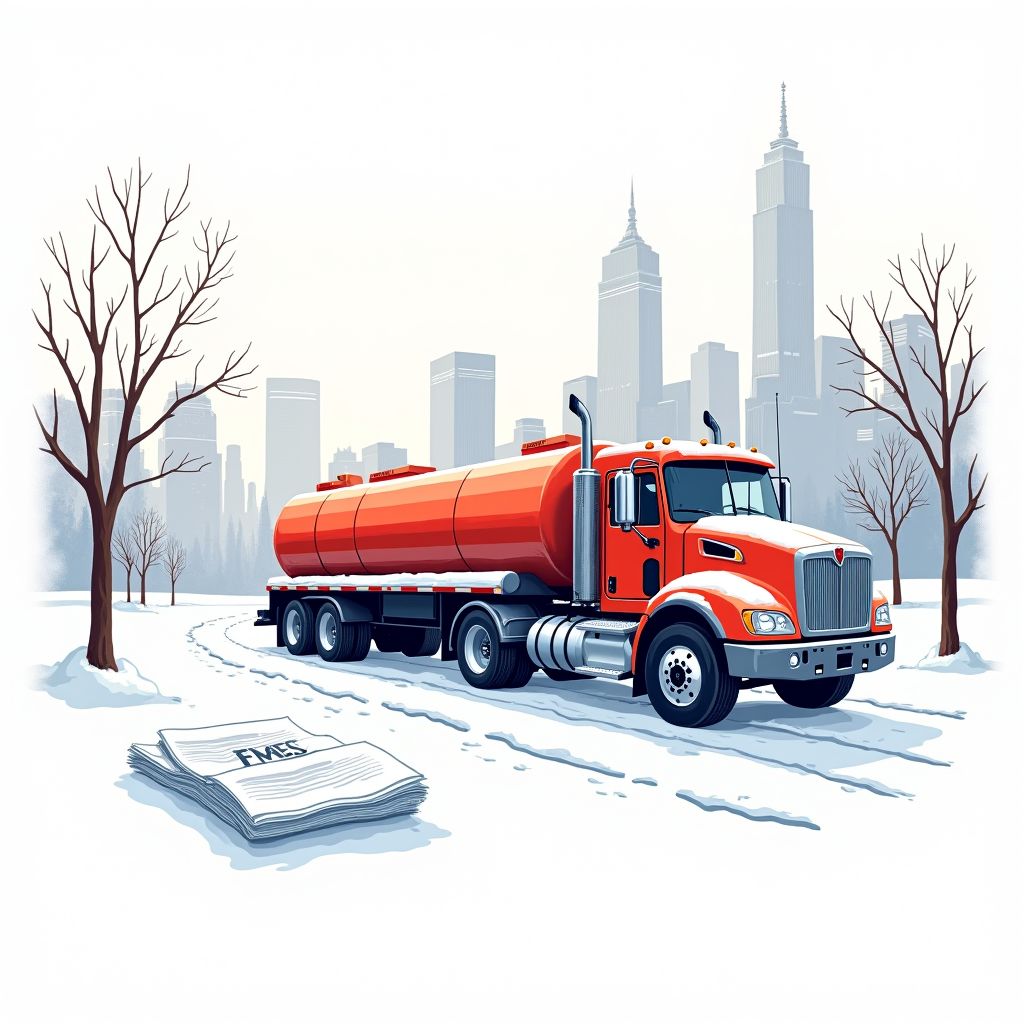
The core issue facing the energy supply chain is logistical rather than foundational. While U.S. Energy Information Administration (EIA) data reflects robust national propane levels, the “last mile” of delivery has been compromised by the elements [1]. Propane retailers in the Northeast are currently navigating temporary logistical hurdles, including limited road access, unsafe paths to residential tanks, and obstructions caused by downed trees and power lines [1][2]. These physical barriers have slowed the distribution rate even as households increase heating usage to combat extreme cold temperatures [1]. Consequently, the market is witnessing a friction in flow rather than a shortage of the commodity itself.
Broader Economic and Legislative Context
The severity of this weather event has had ripple effects extending beyond the energy sector into broader government operations. The storm was intense enough to delay legislative activities in Washington, D.C., preventing the House and Senate from holding votes until February 24, 2026 [3]. This disruption occurred against a backdrop of heightened administrative tension, with the Department of Homeland Security shutdown entering its eleventh day as of February 24, further complicating the federal response landscape [3]. Additionally, the House is currently considering energy-specific legislation, including the Home Appliance Protection and Affordability Act (H.R. 4626), which aims to prevent efficiency standards from acting as bans on liquid and gas systems [3].
Assessment of Market Resilience
For logistics managers and economic analysts, the current situation highlights the critical distinction between resource availability and infrastructure resilience. The NPGA has clarified that the current strain reflects higher consumption rates and delivery friction rather than a production deficit [1]. Member companies are currently prioritizing safety while managing residential deliveries to ensure fuel reaches consumers despite the historic weather conditions [2]. As the region clears the physical debris of the storm, the supply chain is expected to stabilize, though the event serves as a stress test for regional energy distribution networks during periods of peak demand.