Proposed Federal Rule Threatens Disability Assistance for 400,000 Americans
Washington, Tuesday, 28 April 2026.
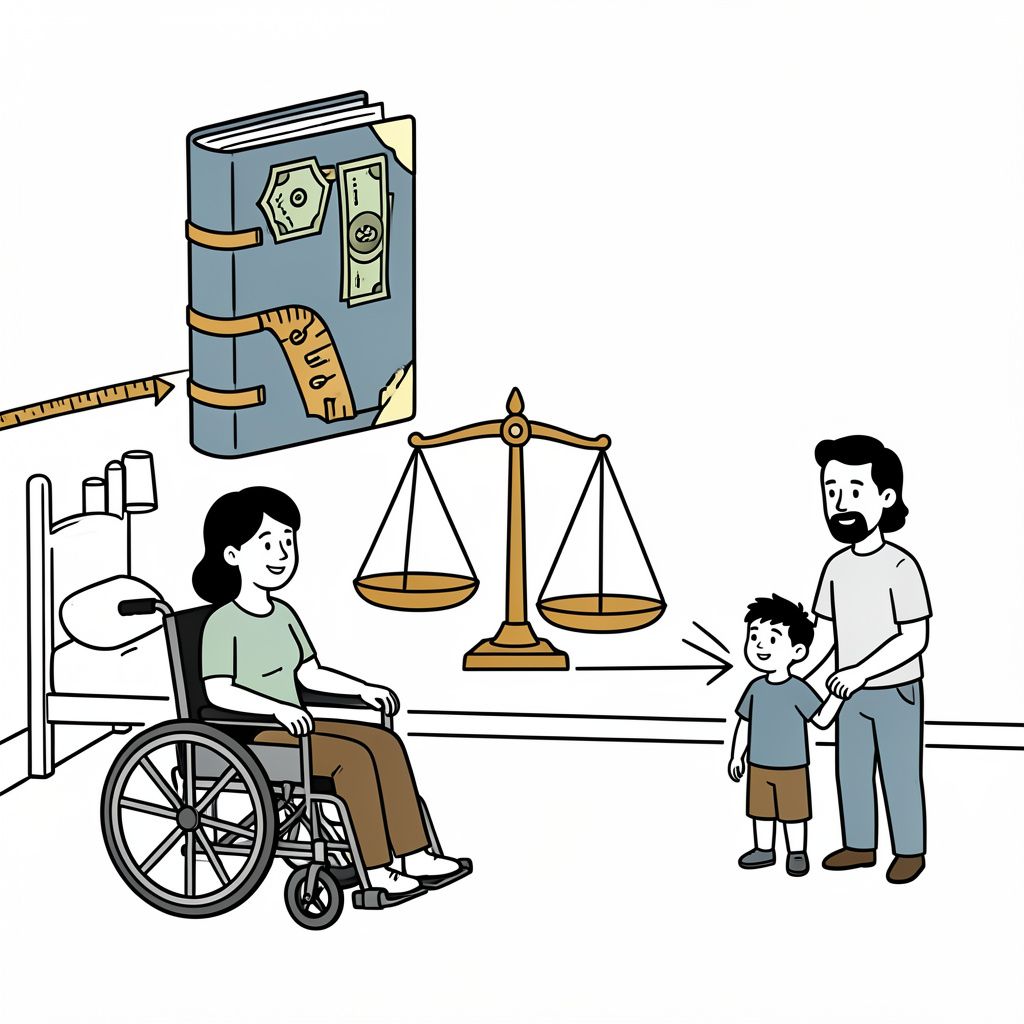
A new proposal could cut assistance for 400,000 disabled adults by deducting the value of their bedroom, shifting significant financial and caregiving burdens onto low-income working families.
The Mechanics of the Proposed Cuts
As of April 27, 2026, the Trump administration is poised to adopt a new regulatory rule (RIN 0960-AI94) that is currently under review at the White House Office of Management and Budget (OMB) [1]. Initiated in 2025 by top White House and Department of Government Efficiency officials, the proposal seeks to reverse a 2024 Biden-era policy that exempted Supplemental Nutrition Assistance Program (SNAP) households from duplicative benefit checks [1]. Under the new framework, disabled adults living at home with family members who receive SNAP benefits—and who do not pay full rent—would be classified as having a benefactor [1][4]. Consequently, the Social Security Administration (SSA) would deduct the value of the disabled individual’s bedroom, as well as family income and assets, from their Supplemental Security Income (SSI) allotment [1].
The Human and Economic Trade-Offs
To understand the microeconomic impact of the proposed rule, one can examine the case of 22-year-old Shy’tyra Burton of Philadelphia [1]. Born two months premature and diagnosed with intellectual and developmental disabilities, Burton receives a maximum of USD 994 per month in SSI [1]. She lives with her father, a sanitation worker who earns roughly USD 2,000 per month [1]. Under the new administration guidelines, Burton could face a monthly reduction of approximately USD 330 [1]. This represents a 33.199 percent cut to her direct financial assistance.
Administrative Strain and Workforce Reductions
Implementing this rule would introduce massive new logistical hurdles at a time when the SSA is already experiencing severe operational constraints. The proposal would force extensive monthly reporting on household composition, bills, bank statements, and property leases [1]. Furthermore, it would require in-person field-office visits whenever a family member’s wages, bill-splitting arrangements, or overnight stays change [1]. This added bureaucratic weight is colliding with a historic reduction in federal personnel. Between January 2025 and January 2026, the Trump administration oversaw a 13 percent reduction in the SSA workforce, shedding roughly 7,500 employees [5].
Broader Entitlement Reform Context
The push to streamline SSI is unfolding against the backdrop of a much larger, impending crisis in American entitlement spending. The primary Social Security trust fund is projected to be capable of covering full benefits only through approximately 2033 [3]. After that point, incoming payroll tax revenues would only cover roughly 77 percent of scheduled payments, meaning beneficiaries could face automatic reductions of 20 to 25 percent without congressional intervention [3]. While President Trump has frequently campaigned on his record of protecting Social Security benefits, the looming 2033 deadline is driving interest in targeted fiscal options rather than across-the-board cuts [3].