UK Food Prices Projected to Surge 50% by November 2026 Amid Global Supply Shocks
London, Tuesday, 5 May 2026.
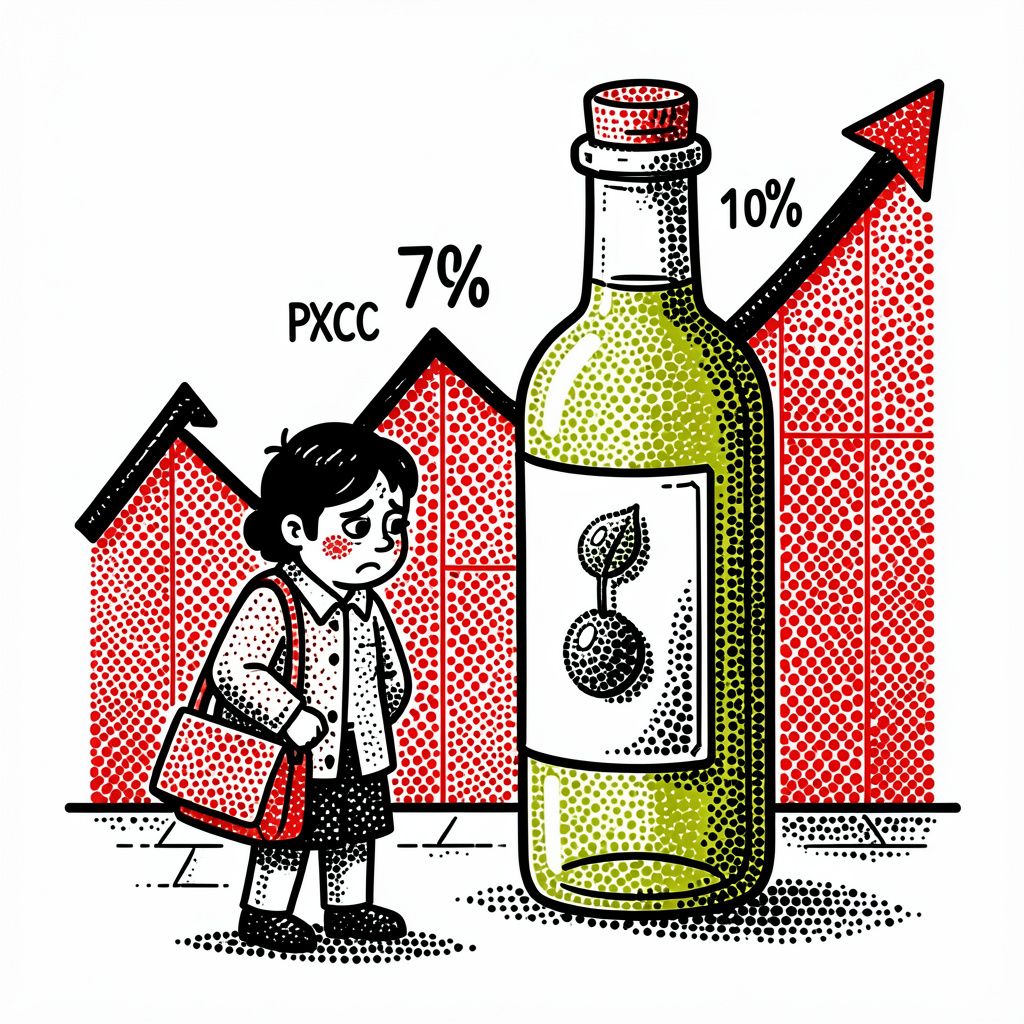
Driven by compounding climate and energy shocks, UK food inflation is accelerating. Strikingly, staples like olive oil have surged 113%, signaling profound shifts for consumers and global supply chains.
The Anatomy of a Price Surge
Recent analysis from the Energy and Climate Intelligence Unit (ECIU) projects that by November 2026, UK food prices will be 50 percent higher than they were at the onset of the cost-of-living crisis in mid-2021 [1][2][3][4][5]. To put this acceleration into perspective, the growth in food costs over this five-year window is on track to match the total price growth observed over the preceding two decades, effectively quadrupling the historical rate of food inflation [1][2][3]. When adjusted for average salaries, food prices have already risen by 11 percent since the crisis began [1][2]. For global investors and macroeconomic analysts, this indicates a structural shift rather than a temporary market anomaly [GPT].
Climate Volatility and Geopolitical Shocks
A primary driver of this sustained inflation is the increasing frequency of extreme weather events impacting agricultural yields. Climate-impacted commodities—specifically butter, milk, beef, chocolate, and coffee—have seen their prices rise four times faster than other food and drink products [2][3][4][5]. The agricultural sector is facing severe domestic and international headwinds, underscored by the fact that three of England’s worst harvests on record have occurred within the past five years [1][2][3][5]. Furthermore, scientists are predicting that 2027 will be the hottest year on record, exacerbated by an El Niño effect beginning this year, which threatens to further destabilize global crop production [1][2][3][5].
The Squeeze on Household Budgets
The financial toll on consumers is profound and multifaceted. Between 2022 and 2023 alone, average household food bills increased by £605, with £244 of that surge directly attributable to energy market shocks [2][3][4]. This burden does not exist in a vacuum; it compounds with other escalating household expenses that are difficult to mitigate, including a 36 percent rise in energy bills, a 25 percent increase in water costs, and a 19 percent jump in insurance premiums [1][2].
Consumer Behavior and Waste Reduction
In response to these relentless price pressures, consumer behavior is undergoing a measurable shift, particularly regarding food utilization. Data from the climate action NGO Wrap indicates that self-reported waste of everyday items like bread, milk, chicken, and potatoes has decreased, falling from 21 percent in 2024 to 18.8 percent [3][4]. This represents a change of -10.476 percent in the self-reported waste rate for these specific staples, signaling that households are actively attempting to stretch their purchasing power.