Trade Court Orders Administration to Refund Billions in Unlawful Tariffs
New York, Thursday, 5 March 2026.
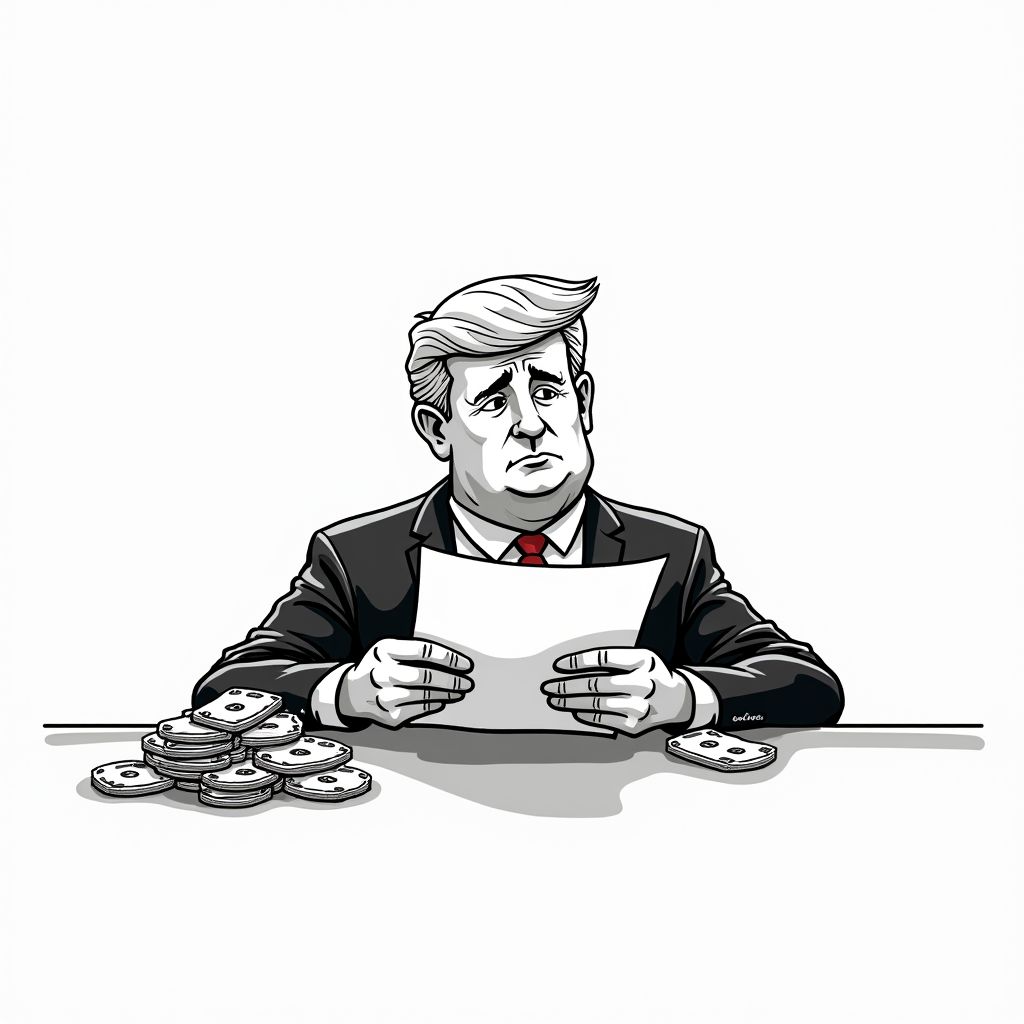
A federal judge ordered the refund of $130 billion in illegal duties, explicitly rejecting delay tactics by remarking that we “live in the age of computers” regarding the payout process.
Judicial Mandate Accelerates Repayment Timeline
Following the Supreme Court’s recent decision to curb executive tariff authority—detailed in our previous report, Supreme Court Limits Executive Tariff Power, Triggering Global Trade Strategy Shift—the legal fallout has intensified rapidly. On Wednesday, March 4, 2026, the U.S. Court of International Trade (CIT) ordered the Trump administration to immediately commence the refund process for duties collected under the International Emergency Economic Powers Act (IEEPA), which the Supreme Court declared unlawful on February 20 [1][4]. Judge Richard Eaton, presiding over the case Atmus Filtration, Inc. v. United States, issued a sweeping directive requiring U.S. Customs and Border Protection (CBP) to liquidate entries without the illegal duties, effectively mandating refunds for all affected importers rather than just the plaintiffs [2][4].
Rejection of Administrative Delays
The court’s order explicitly dismantled the administration’s attempts to stall restitution. Earlier this week, a federal appeals court denied a White House request to delay these refunds for 90 days [3]. Judge Eaton reinforced this urgency during proceedings, dismissing logistical excuses from the government by stating, “We live in the age of computers,” and noting that he wants to establish a method for importers to claim unlawfully applied duties efficiently [3]. This judicial stance marks a significant procedural victory for the approximately 2,000 businesses that have filed lawsuits seeking repayment, as well as the broader pool of over 300,000 importers who paid the levies [2]. Ryan Majerus, a former senior Commerce official, noted that the order’s language suggests an “across-the-board approach” where importers are entitled to refunds, “full stop” [2].
Fiscal Impact and Policy Pivots
The financial magnitude of this ruling is staggering, with the administration having collected an estimated $130 billion in tariffs now deemed illegal [1][2]. The court has ordered that these refunds include interest, compounding the fiscal liability for the Treasury [2][3]. While the payment process remains complex, CBP official Brandon Lord confirmed on March 4 that the agency would issue refunds pending a review period to ensure compliance with other customs laws [3][4]. However, the Trump administration is expected to appeal the order, signaling that the legal battle may not be entirely concluded despite the directive to pay [3][4].
Administration Strategizes New Levies
Faced with the loss of IEEPA revenue, the White House is rapidly pivoting to alternative revenue generation strategies. U.S. Treasury Secretary Scott Bessent indicated this week that the administration is likely to implement a 15% global tariff to replace the struck-down levies [1]. This proposal represents a significant escalation from the previously floated 10% rate, amounting to a 50% increase in the proposed baseline tariff burden [1]. While intended to plug the fiscal gap left by the court’s decision, this shift suggests that the volatility in U.S. trade policy will persist as the executive branch seeks new statutory avenues to maintain protectionist measures [1].