Shared Kitchens Emerge as Solution to High Restaurant Failure Rates
Pittsburgh, Sunday, 8 March 2026.
With sixty percent of new restaurants failing within three years, Pittsburgh entrepreneurs are increasingly turning to shared commercial kitchens to mitigate financial risks and ensure sustainable growth.
Local Closures Signal Broader Economic Strain
The volatility of the current hospitality market is exemplified by the recent shuttering of historic Pittsburgh establishments, including Grant Bar & Restaurant in Millvale, which had served the community for over 90 years, and Joseph Tambellini Restaurant in Highland Park [1]. These closures, reported in early March 2026, reinforce industry estimates that as many as 60 percent of restaurants fail within their first three years of operation [1]. Analysts point to a convergence of economic pressures driving this trend, specifically high startup costs, escalating ingredient prices, and persistent labor shortages that make traditional brick-and-mortar models increasingly untenable for new entrants [1].
The Shared Economy Approach to Food Service
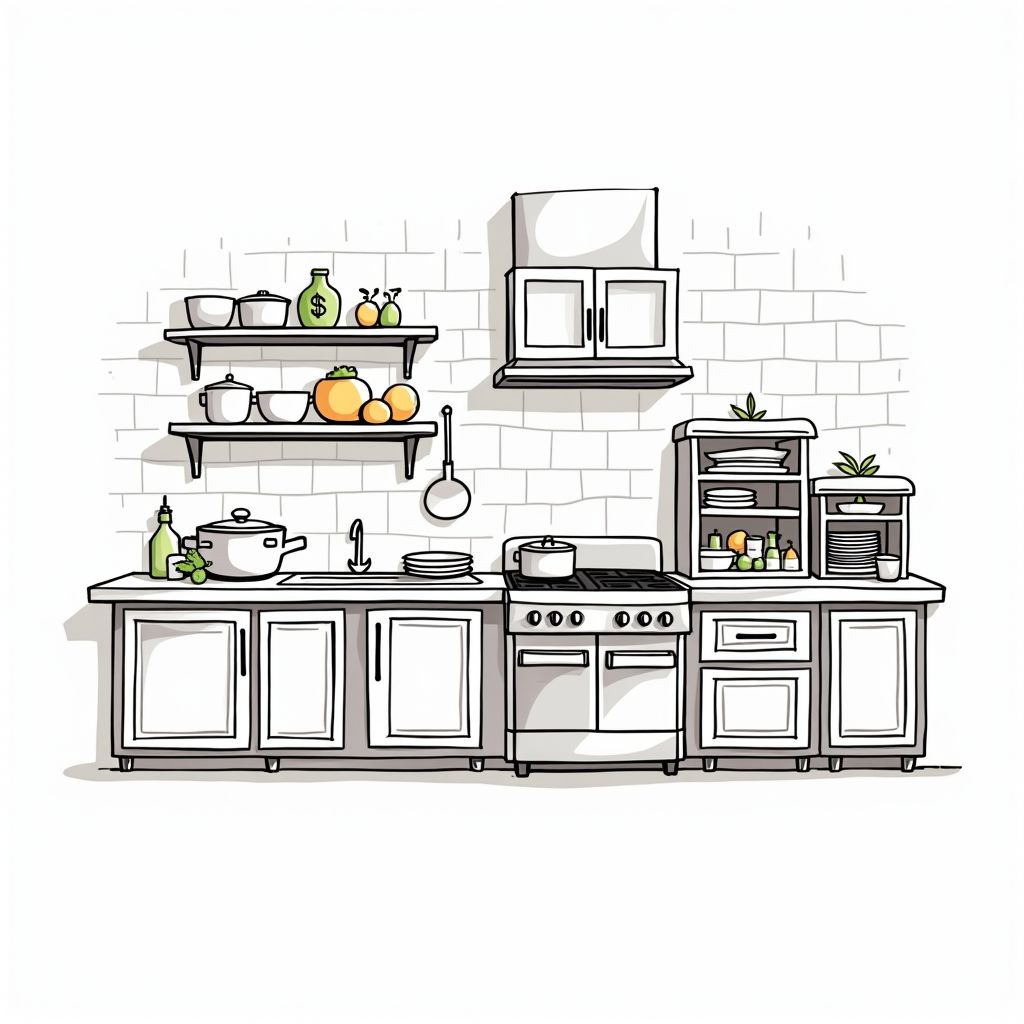
In response to these financial barriers, a shared commercial kitchen model is gaining traction across Pittsburgh, offering a lower-risk entry point for food entrepreneurs [1]. Facilities such as Frontier Kitchen and the nonprofit Community Kitchen Pittsburgh provide access to licensed commercial workspaces and professional equipment like ovens and refrigeration systems without the capital expenditure of a full build-out [1]. This model allows businesses to rent space by the hour or shift, significantly reducing overhead [1]. Jen Trosch, Marketing Director of Frontier Kitchen, notes that while many assume cooking skills translate directly to business success, selling food is ‘one of the hardest businesses to run,’ making the ability to test concepts and build a sustainable foundation critical before expansion [1].
Leveraging Digital Reputation for Growth
While shared kitchens address operational overhead, securing revenue in 2026 requires meticulous attention to digital reputation. According to the Local Consumer Review Survey 2026 published by BrightLocal, reading online reviews has become a nearly universal behavior for U.S. consumers evaluating local businesses [2]. However, data highlights a significant ‘intent-action’ gap: while 94 percent of consumers state they are open to leaving reviews, only 69 percent reported actually writing one in the past year, a difference of 25 percentage points [2]. For emerging businesses operating with thin margins, closing this gap is essential for visibility in competitive dining markets [2].
Technological Interventions in Customer Feedback
To convert customer satisfaction into tangible online ratings, restaurants are increasingly adopting immediate digital prompts. Data from Opinas, which analyzed over 1,000 restaurants in 2025, indicates that presenting QR code and NFC prompts at checkout is associated with a 74 percent higher likelihood of a review being generated before the customer leaves [2]. This suggests that for the new wave of entrepreneurs emerging from Pittsburgh’s shared kitchens, combining operational efficiency with aggressive, technology-driven reputation management is the key to surviving the industry’s notorious failure rates [1][2].