US Consumer Confidence Drops as Inflation and War Raise Economic Fears
Washington, Sunday, 11 October 2026.
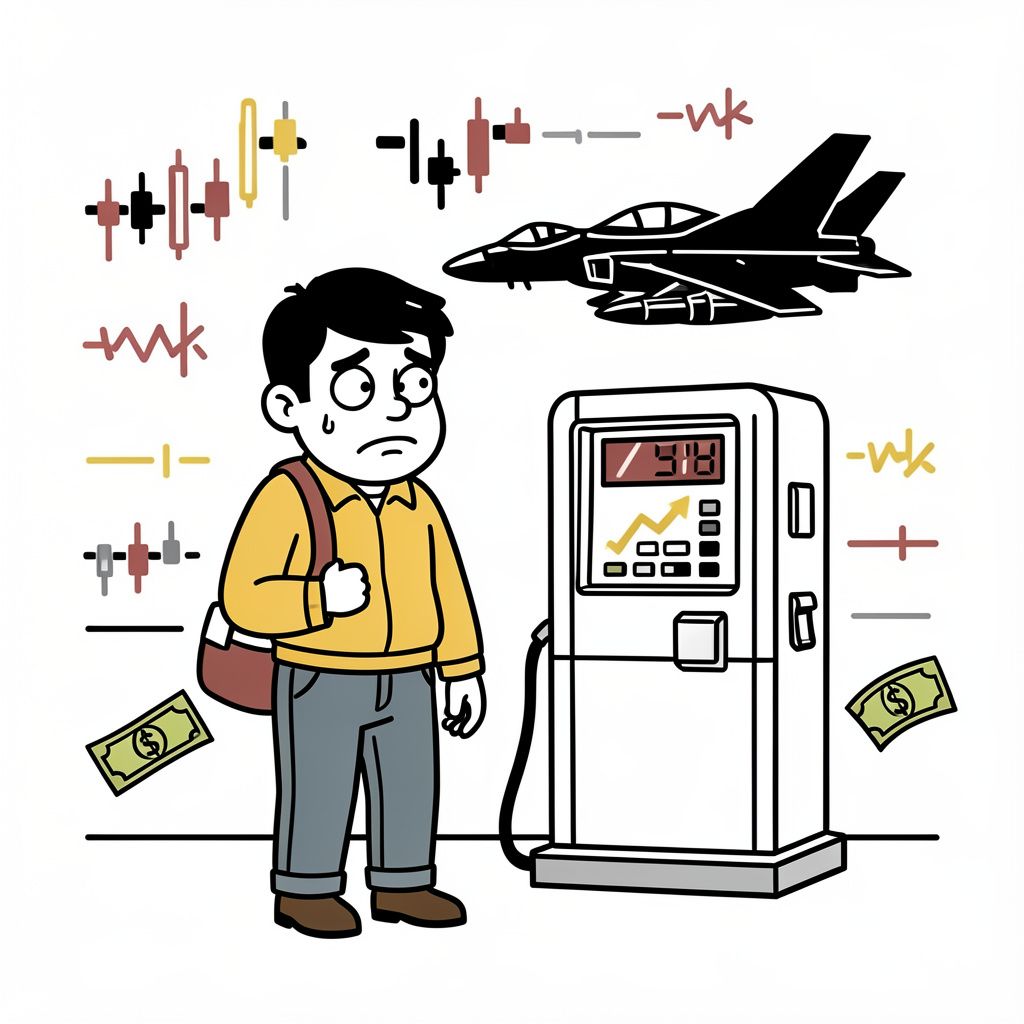
US consumer sentiment fell to 46.3 in October 2026, with views on current economic conditions hitting an all-time low amid rising gas prices and prolonged conflict with Iran.
Historic Lows in Consumer Confidence
The University of Michigan’s preliminary consumer sentiment index fell to 46.3 in October 2026, down from 48.1 in September 2026 [4][6]. This decline represents a -3.742 percent decrease, missing economist forecasts of 47.6 [1][6]. The data, published on Friday, October 9, 2026, marks a potential second-lowest reading in the 74-year history of the survey [5]. Preliminary data confirms that households grew more pessimistic about the broader economic outlook during this period [3]. Some analysis suggests this level is lower than confidence seen during the 1970s oil crisis and the Great Recession [8].
Current Conditions and Inflation Expectations
Within the broader index, the current conditions gauge sank to 44.7, the lowest on record, from 50.9 in the previous month [6]. Conversely, the expectations index rose slightly to 47.3 from 46.3, marking the first increase since July [6]. Inflation expectations for the year ahead rose to 4.7% in October 2026, up from 4.6% in September 2026 [1][2]. Long-term inflation expectations also increased to 3.5%, exceeding the 2024 range of 2.8% to 3.2% [2]. Consumers expect prices to rise 4.7% over the next year, driven by frustration over the cost of living [5].
Energy Costs and Market Reactions
Gasoline prices have remained above $4.00 per gallon since mid-summer 2026, representing an increase of over $1.50 per gallon since the start of the war with Iran [2]. During the week of October 5–11, 2026, the average 30-year fixed mortgage rate reached 7.4%, the highest level in three years [2]. In currency markets, the GBP/USD exchange rate was 1.3231, while the US Dollar Index rose 0.16% to 102.27 [1]. US Treasury yields are rising, reflecting higher inflation risk premiums [1]. Investors assign an 81% probability of the Federal Reserve maintaining interest rates at the October 2026 FOMC meeting [1].
Political Implications and Spending Habits
The U.S. midterm elections are scheduled for November 2, 2026, occurring 25 days after the October 8, 2026 report [2]. Political sentiment shifts noted in September 2026 showed only 35% of respondents approved of government economic policy [5]. Despite low sentiment, spending has remained healthy, supported by a stable labor market [6]. However, 87% of respondents stated it is a bad time to buy homes, and 73% view it as a bad time to buy appliances [5]. A special report found only about 31% expect to spend as usual over the coming year [6].
Sources
- www.fxstreet.com
- finance.yahoo.com
- www.facebook.com
- www.wsj.com
- www.cnn.com
- www.spokesman.com
- www.bloomberg.com
- www.facebook.com