US Envoy Confirms Critical Trade Talks Resume Jan 13 as India Joins Strategic Alliance
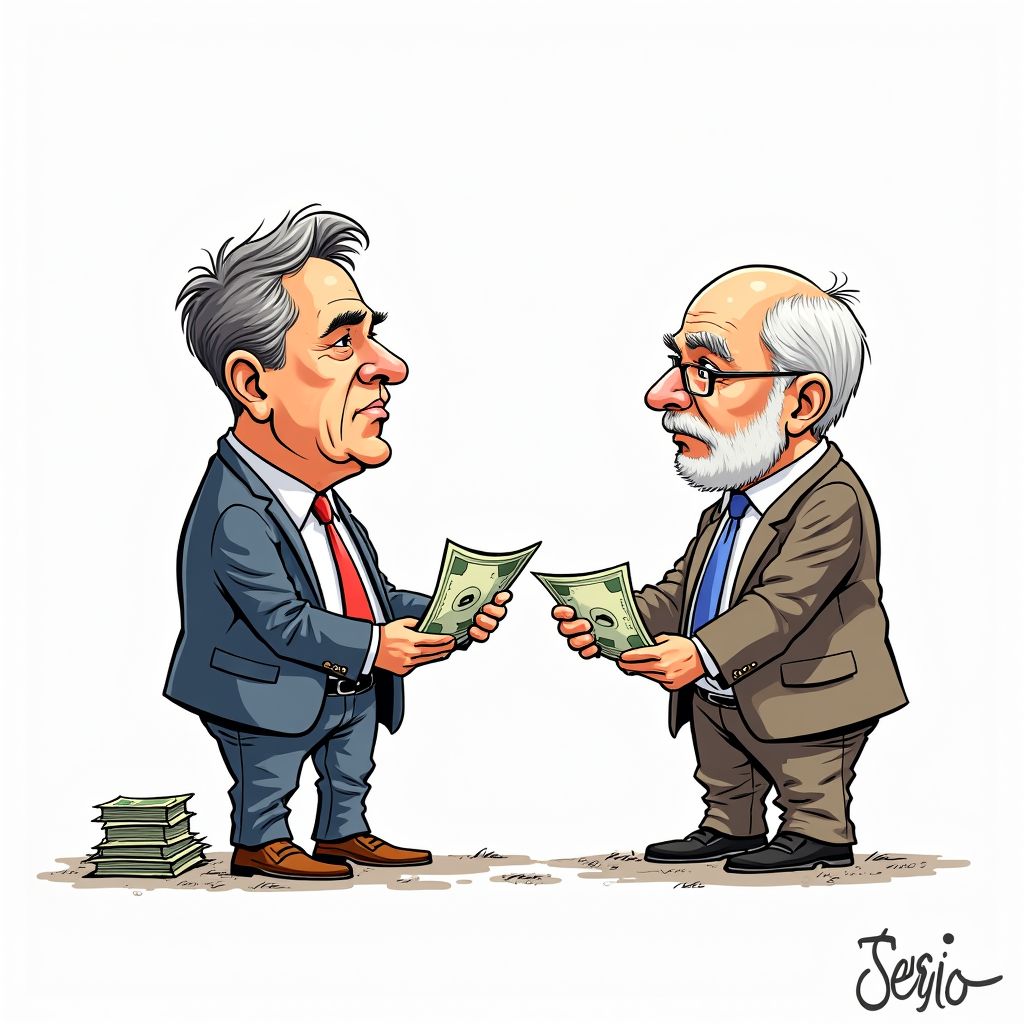
New Delhi, Monday, 12 January 2026.
Ambassador Sergio Gor confirmed trade negotiations resume January 13. Crucially, he announced India’s invitation to the exclusive US-led Pax Silica alliance next month, signaling deeper cooperation despite recent tariff tensions.
Renewed Engagement Amidst Economic Strain
The resumption of high-level dialogue comes at a pivotal moment for the bilateral economy. On Monday, January 12, newly appointed U.S. Ambassador Sergio Gor formally assumed charge in New Delhi, announcing that trade discussions would recommence on Tuesday, January 13 [1][5]. This engagement is critical, as the failure to finalize a trade agreement in 2025 has previously strained ties and impacted currency stability, pushing the rupee to record lows [1]. Ambassador Gor struck a pragmatic tone regarding the negotiations, stating that while friends may disagree, they eventually resolve their differences, highlighting a renewed determination to cross the finish line on a deal [2][5].
Strategic Integration into Pax Silica
Beyond immediate trade remediation, Washington is moving to integrate New Delhi into its high-tech security architecture. Ambassador Gor revealed that India will be invited to join the “Pax Silica” alliance as a full member in February 2026 [5][6]. Launched in December 2025, this U.S.-led initiative—which currently includes Japan, South Korea, the United Kingdom, and Israel—aims to fortify global silicon supply chains [5]. India’s inclusion signals a significant deepening of cooperation in semiconductors, artificial intelligence, and critical logistics, moving the relationship beyond simple commodity trading to a strategic technological partnership [5][6].
Tariffs and Energy Economics
The economic backdrop for these talks remains complex due to fiscal barriers erected in the previous year. In August 2025, the U.S. doubled tariffs on Indian goods to 50%, a measure that included a specific 25% levy targeting entities purchasing Russian oil [1]. These punitive measures were introduced as Washington sought to narrow a $47 billion goods trade gap [1]. Data suggests these pressures may be altering trade flows; India’s imports of Russian crude dropped significantly at the end of the year, falling by -33.333% from 1.8 million barrels per day (bpd) in November 2025 to 1.2 million bpd in December 2025 [4]. To further bridge the trade deficit, New Delhi has pledged to purchase up to $25 billion in U.S. energy and defense equipment [1].
Diversification and Future Outlook
While re-engaging with Washington, India is simultaneously broadening its economic horizons to mitigate reliance on any single market. Coinciding with the U.S. trade talks on January 13, German Chancellor Friedrich Merz is scheduled to meet Prime Minister Narendra Modi to discuss investment cooperation [4]. This multi-pronged approach comes as India’s goods exports demonstrated resilience, rising 19% in November 2025 [4]. Looking ahead, Ambassador Gor indicated that a presidential visit by Donald Trump could occur by 2027 or 2028, underscoring the long-term strategic nature of the partnership despite current friction [3].
Sources
- www.reuters.com
- www.bbc.com
- www.ndtv.com
- www.dailysabah.com
- www.moneycontrol.com
- www.hindustantimes.com