Federal Cut to Drug Subsidies Threatens Seniors with Higher Healthcare Costs
New York, Wednesday, 5 August 2026.
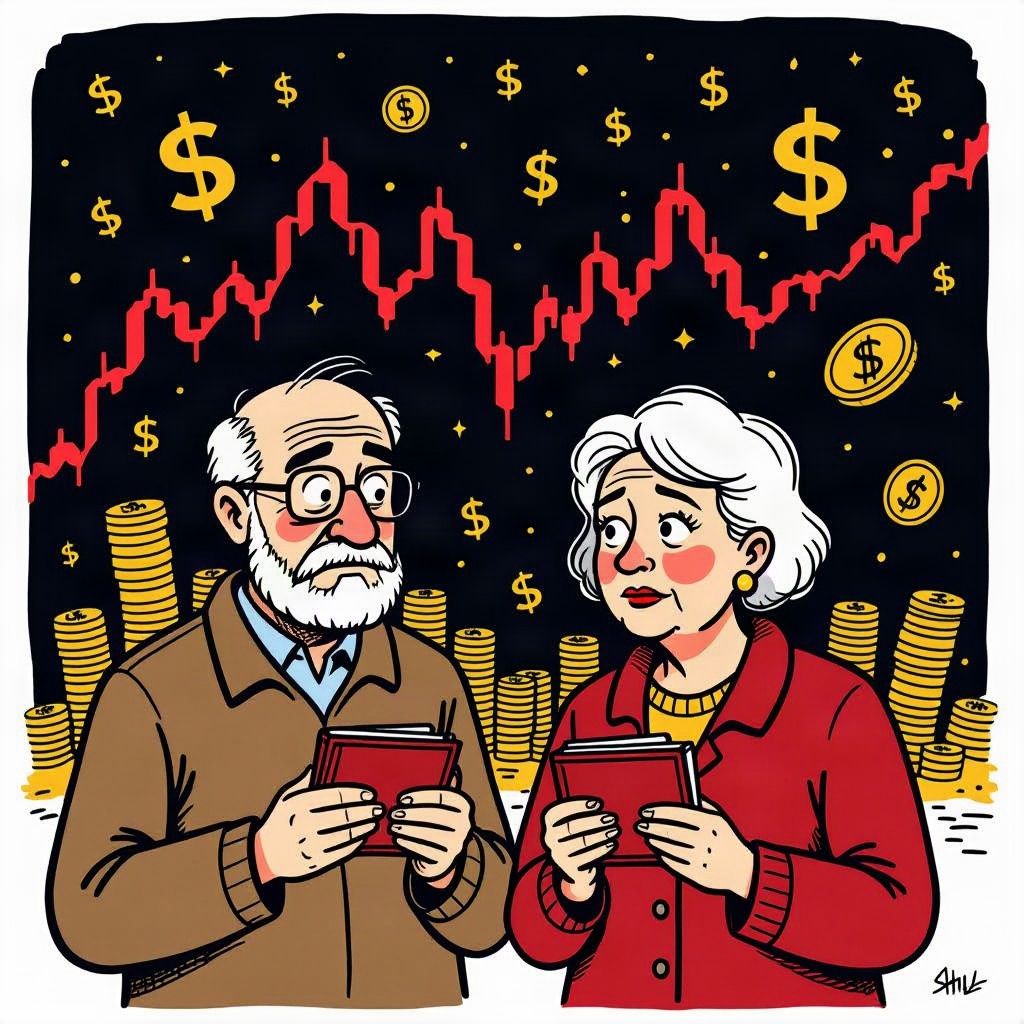
New York leaders are opposing federal plans to end Medicare Part D subsidies by late 2026, warning that premiums could spike up to 40% for 1.3 million local seniors.
State Leaders Mobilize Against Federal Subsidy Termination
New York Governor Kathy Hochul and U.S. Senator Kirsten Gillibrand have publicly opposed the Trump administration’s plan to eliminate Medicare Part D subsidies by the end of 2026 [1][2]. State officials warn that ending the subsidies could trigger premium increases of up to 40% for senior citizens, creating significant economic headwinds for healthcare providers and household budgets across the state [1]. The opposition was formally announced on 2026-08-04, highlighting the potential impact on approximately 1.3 million seniors in New York who rely on the program [2][6]. This political conflict underscores the tension between federal fiscal policies and state-level healthcare stability as the 2026 deadline approaches [3].
Timeline of Policy Changes and Federal Announcements
The Trump administration announced the termination of the Medicare Part D Premium Stabilization Demonstration Program on 2026-07-28, scheduling the end date for 2026-12-31 [2][3]. This program was originally initiated by the Biden administration in 2024 to stabilize premiums via plan sponsor subsidies [3][5]. Analysts estimate the program currently offsets average prescription drug plan premiums by $16 per month in 2026, down from reported reductions of $39 per month prior to current subsidy levels [2]. The termination is expected to take effect in 2027, potentially resulting in higher monthly premiums for millions of seniors nationwide [2][6].
Economic Impact on Households and Beneficiaries
Congressman Jerry Nadler has criticized the move, citing a prior policy referred to as the “Big Ugly Bill” that allegedly removed 500,000 New Yorkers from health coverage [3][4]. Nadler argues that the proposed Medicare Part D subsidy cuts will force millions of seniors to pay more for lifesaving medicines [4]. The financial strain is particularly acute given that the program was designed to reduce market distortions caused by the Inflation Reduction Act, according to the U.S. House Committee on the Budget [1]. Critics argue that ending subsidies now obscures premium spikes and shifts costs directly to beneficiaries on fixed incomes [3].
State-Level Mitigation and Savings Programs
In response to federal changes, New York State has expanded its Medicare Savings Program by 20%, covering Part B premiums for over 1 million lower-income beneficiaries [2][5]. This expansion results in monthly savings of $203 per person, which translates to an annual saving of 2436 per beneficiary [5][6]. Additionally, the state has implemented a ban on insulin co-pays, saving residents approximately $25 million since 2025 [4][6]. Legislation signed in 2024 also capped out-of-pocket costs for EpiPens at $100 for consumers with commercial health insurance, saving New Yorkers approximately $2.4 million in 2026 [5][6].
Demographic Context and Future Outlook
Approximately 1.58 million people live with diabetes in New York, a population with medical expenses 2.3 times higher than non-diabetics [4]. Governor Hochul stated she is staying laser-focused on helping seniors and putting money back into New Yorkers’ pockets amidst these federal changes [2][5]. The Governor has called on President Trump to reverse the Medicare cuts, framing the issue as a choice between affordability and political maneuvering [2][8]. As the 2026 deadline nears, state officials continue to monitor the situation to mitigate negative impacts on senior healthcare access [3][6].
Sources
- www.news10.com
- www.governor.ny.gov
- cbs6albany.com
- empirereportnewyork.com
- whiteplainscnr.com
- www.crainsnewyork.com
- x.com