Spirit Airlines to Ground Fleet Following Collapse of $500 Million Government Bailout
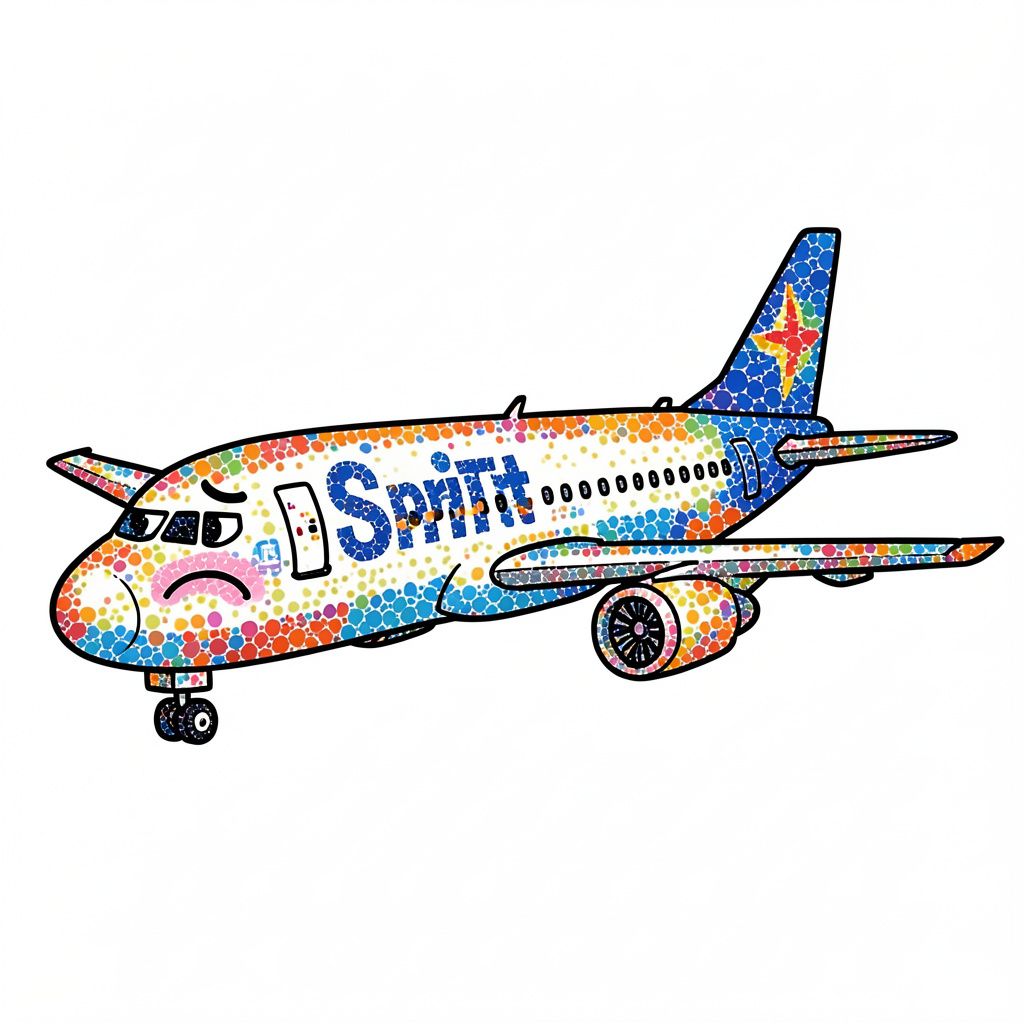
Dania Beach, Friday, 1 May 2026.
Spirit Airlines will permanently cease operations this May after a $500 million government lifeline—which demanded a 90% equity stake—failed due to bondholder resistance and political disagreements.
The Mechanics of a Failed Rescue
The ailing budget carrier, officially known as Spirit Aviation Holdings Inc. (NYSE: SAVE), had pinned its survival on finalizing a $500 million financial lifeline from the United States government before its cash reserves were entirely depleted [1][2]. The proposed rescue package, negotiated with the Trump administration, involved a substantial cash infusion [1]. In exchange, the government would have received warrants capable of converting into a massive equity stake of up to 90% of the company [1]. This aggressive restructuring attempt highlights the dire financial straits the ultra-low-cost airline found itself navigating in early 2026 [GPT].
Mounting Costs and Fleet Liquidation
Beyond the boardroom negotiations, Spirit Airlines has been battling severe macroeconomic headwinds, most notably the relentless cost pressure stemming from elevated fuel prices [1]. These operational burdens accelerated the company’s cash burn, forcing executives to confront the reality of insolvency [1]. Consequently, the airline is now advancing plans to liquidate its entire aircraft fleet and permanently shutter operations [1]. Following the emergence of these reports on May 1, 2026, shares of Spirit plunged as the market reacted to the impending closure [2].
A Harsh Reality for Budget Aviation
For industry executives and investors, the collapse of Spirit Airlines serves as a stark indicator of the current economic climate [GPT]. The failure to secure the $500 million rescue package underscores the immense regulatory hurdles and intense competitive pressures that budget airlines face today [1][GPT]. As the aviation industry processes this monumental shift in May 2026, the demise of Spirit Airlines will be analyzed as a definitive case study in the limits of debt restructuring and the unforgiving nature of capital markets during periods of high operational costs [GPT].