Measles Outbreak Drives Vaccine Shift Among Rural Midwives
Philadelphia, Thursday, 12 November 2026.
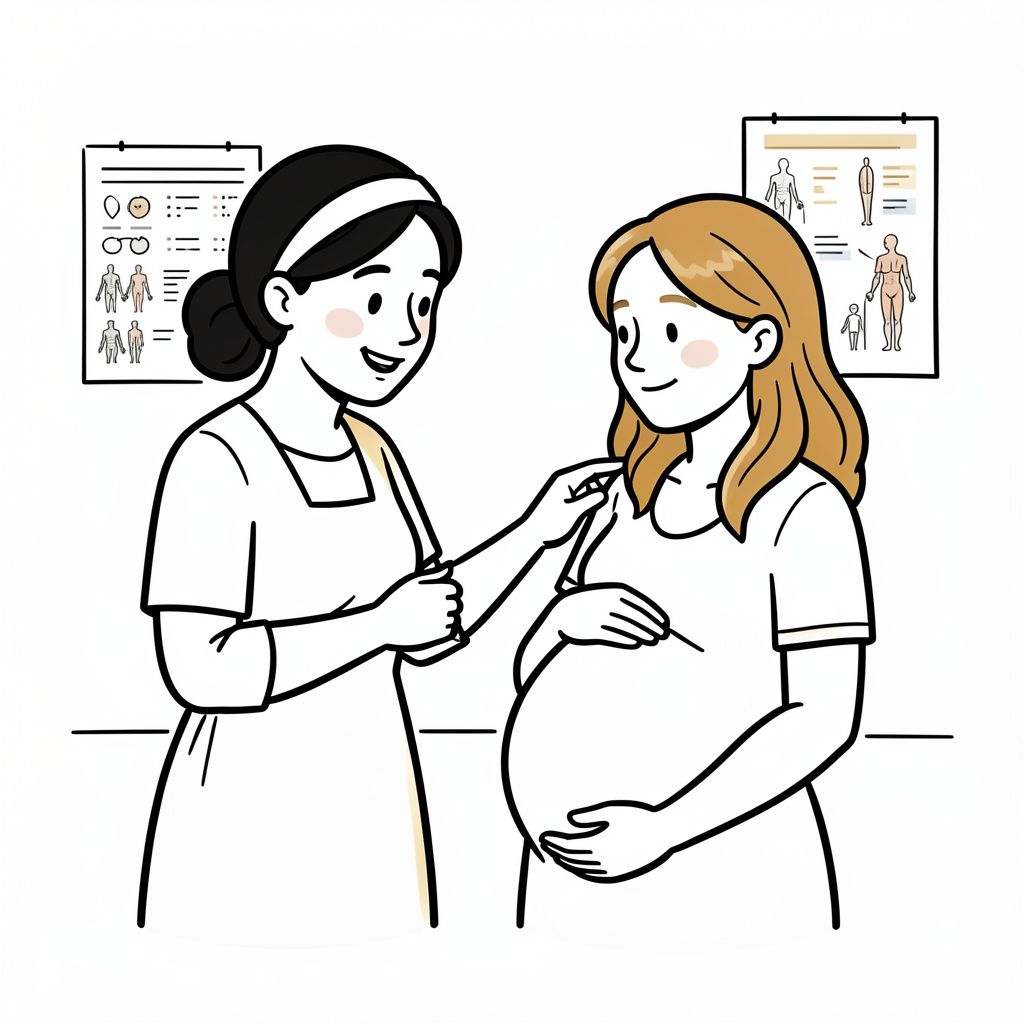
Pennsylvania’s measles outbreak has surpassed 1,500 cases, infecting nearly 100 pregnant women and prompting rural midwives to abandon past skepticism to urge communities to accept immunization.
A Crisis of Trust and Immunity
Pennsylvania’s measles outbreak, now the nation’s largest in three decades with over 1,505 cases across 45 counties as of November 11, 2026, has exposed critical vulnerabilities in rural immunization coverage [3]. The outbreak, which began in late April 2026, has disproportionately affected the Amish and Mennonite communities in Lancaster County, where traditional midwives like Roberta Devers have delivered nearly 2,000 babies over her 38-year career [1][2]. Devers, who previously refused to vaccinate her own son due to distrust of immunization information, now describes the outbreak as a turning point: ‘Numbers and books became people. It was humanized by watching what was happening to the mothers I was serving’ [1][2]. Her shift reflects a broader reckoning among healthcare workers in rural Pennsylvania, where vaccine hesitancy has eroded herd immunity thresholds. The state’s kindergarten MMR vaccination rate fell to 87.6% last school year, down from 95.5% pre-pandemic, leaving over 40% of kindergartens in the Philadelphia region vulnerable to outbreaks [1][5].
Economic and Public Health Strain
The outbreak’s human toll is mounting: at least six measles-associated deaths have been confirmed in Pennsylvania, including two infants, with state health officials investigating a seventh in Franklin County [5][4]. Dr. Evan Shirey, a pediatric infectious disease physician at Penn State Health Golisano Children’s Hospital, describes harrowing cases of babies ‘gasping for air’ and children requiring ventilators or treatment for organ infections [1][2]. These clinical realities underscore the economic strain on regional healthcare systems, where hospitals in Lancaster County and beyond are managing overflows amid workforce shortages. The Pennsylvania Department of of Health has deployed 300 staff to respond to the outbreak, administering over 18,000 MMR doses through pop-up clinics since April, including 11,000 by state nurses alone [3]. Yet, the demand for vaccines has surged, with providers administering 56,000 doses in September and 61,000 in October—more than double typical monthly volumes [3]. The economic implications extend beyond healthcare: unvaccinated workers face higher risks of prolonged absences, while maternal and infant health crises disrupt local economies dependent on agriculture and small businesses. In Wisconsin, another hotspot with 551 cases, midwives are collaborating with public health departments to establish vaccination clinics for Amish clients, highlighting the role of trusted community figures in bridging gaps left by systemic distrust [2].
Policy and Practice: Barriers and Opportunities
Despite the crisis, Pennsylvania’s regulatory framework has limited midwives’ ability to administer vaccines. State law bars unlicensed traditional midwives like Devers from practicing medicine or carrying the MMR vaccine, and the Pennsylvania Health Department denied midwives’ requests to carry the vaccine despite their frontline access to communities [1][2]. Devers argues that empowering midwives could accelerate vaccination: ‘There’s a lot of home birth midwives in the state of Pennsylvania, and if they were given the opportunity to immunize, it would be another opportunity to quickly get people vaccinated’ [2]. Meanwhile, New York has taken a contrasting approach by permitting trained unlicensed practitioners and midwives to administer vaccines during its outbreak, a move Pennsylvania may need to consider to curb its escalating cases [2]. Public health leaders like Katherine Wells of Lubbock, Texas, emphasize the importance of community-based trust-building: ‘During the emergency is not the time to be passing out your business card. You have to know those people, especially in ones that are more religious and even more distrustful of government’ [2]. The Pennsylvania Health Department has invited midwives to a measles education webinar, a step toward collaboration, but critics argue these efforts are reactive rather than proactive [1][2].
The Path Forward: Lessons from Rural Communities
As Pennsylvania grapples with its outbreak, the experiences of midwives like Devers and public health officials offer a blueprint for addressing vaccine hesitancy in rural, tight-knit communities. Devers’ transformation from skepticism to advocacy illustrates how personal encounters with measles’ devastation can shift perceptions: ‘Every single day, someone’s calling to ask what they do. They’re pregnant and they’ve gotten it, or their babies have gotten it’ [1][2]. For Hannah Garman, a 27-year-old Lancaster County resident due with her third child in December, the outbreak has prompted a reevaluation of her own unvaccinated status, rooted in her upbringing outside traditional medical systems [1]. Her story reflects a generational shift, as younger parents in Amish communities increasingly seek vaccines despite cultural and religious norms [1][2]. Pennsylvania’s outbreak, coupled with the potential loss of its measles elimination status by the WHO, serves as a stark reminder of the fragility of public health achievements [5]. To prevent further spread, experts urge a dual approach: expanding access to vaccines through trusted local providers like midwives and addressing the root causes of hesitancy through culturally sensitive education. As Devers notes, the path forward must prioritize ‘people over policy’—a lesson that could reshape immunization strategies in rural America [1][2].