Nobel Laureate Warns Artificial Intelligence is Accelerating Global Disinformation
Canberra, Tuesday, 12 May 2026.
A Nobel laureate’s May 2026 economic model reveals AI-driven disinformation is a top national security threat, as unregulated digital platforms prioritize profitable sensationalism over factual accuracy.
The Economics of Engagement Over Accuracy
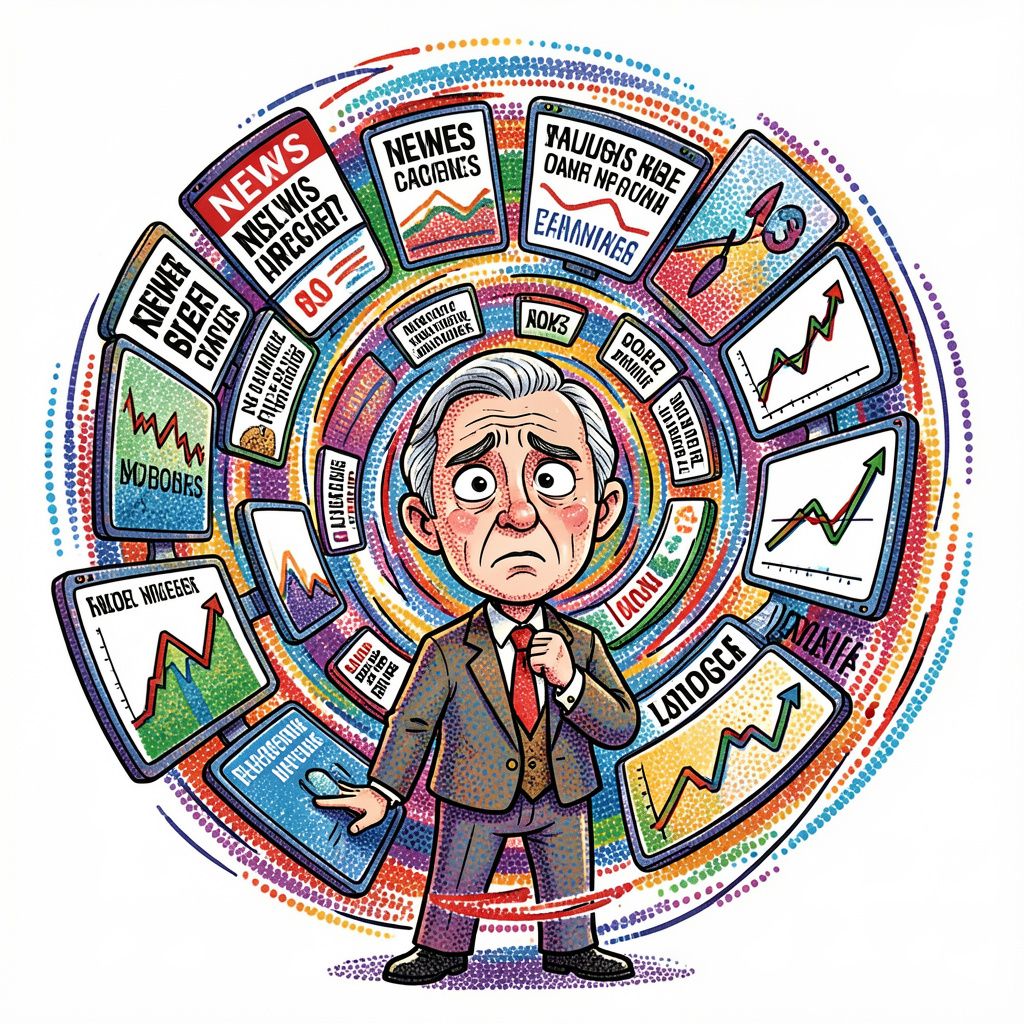
The fundamental flaw in the modern digital economy lies in its incentive structures. In September 2025, Nobel laureate Joseph Stiglitz and researcher Maxim Ventura-Bolet introduced an economic model demonstrating that online platforms are inherently driven to produce disinformation [1]. Because these platforms generate revenue through advertising and data collection, their algorithms are aggressively optimized to keep users engaged [1]. Provocative and sensational content consistently outperforms nuanced, verified information in generating clicks, leading to a market failure where truth is financially penalized by the architecture of the internet itself [1].
AI as a Foundational Layer for Misinformation
To understand the trajectory of this crisis, analysts are looking at AI not merely as a software application, but as a structural economic shift. In an opening letter for Microsoft’s Signal magazine published on May 11, 2026, Chief Communications Officer Frank X. Shaw likened the advent of AI to historical cognitive-tool milestones, such as the printing press and the introduction of Massive Open Online Courses (MOOCs) [2]. While such technologies historically trigger fears of “fake” expertise and societal hollow-outs, they ultimately force a deep renegotiation of societal authority and economic value [2].
Regulatory Interventions and Market Solutions
Given the entrenched financial incentives, market forces alone will not correct the proliferation of AI-generated falsehoods. Stiglitz and Ventura-Bolet assert that the crisis can only be resolved through robust government intervention aimed at reforming the underlying economic structures [1]. They advocate for regulations that enforce platform accountability, disrupt disinformation campaigns, and rigorously protect the intellectual property of original news producers [1]. Early steps are already visible; for instance, in April 2026, the Australian government signed a memorandum of understanding with the AI company Anthropic to promote responsible AI development [1].