Federal Funding Cuts Threaten Vital University Medical Research
Chapel Hill, Sunday, 15 November 2026.
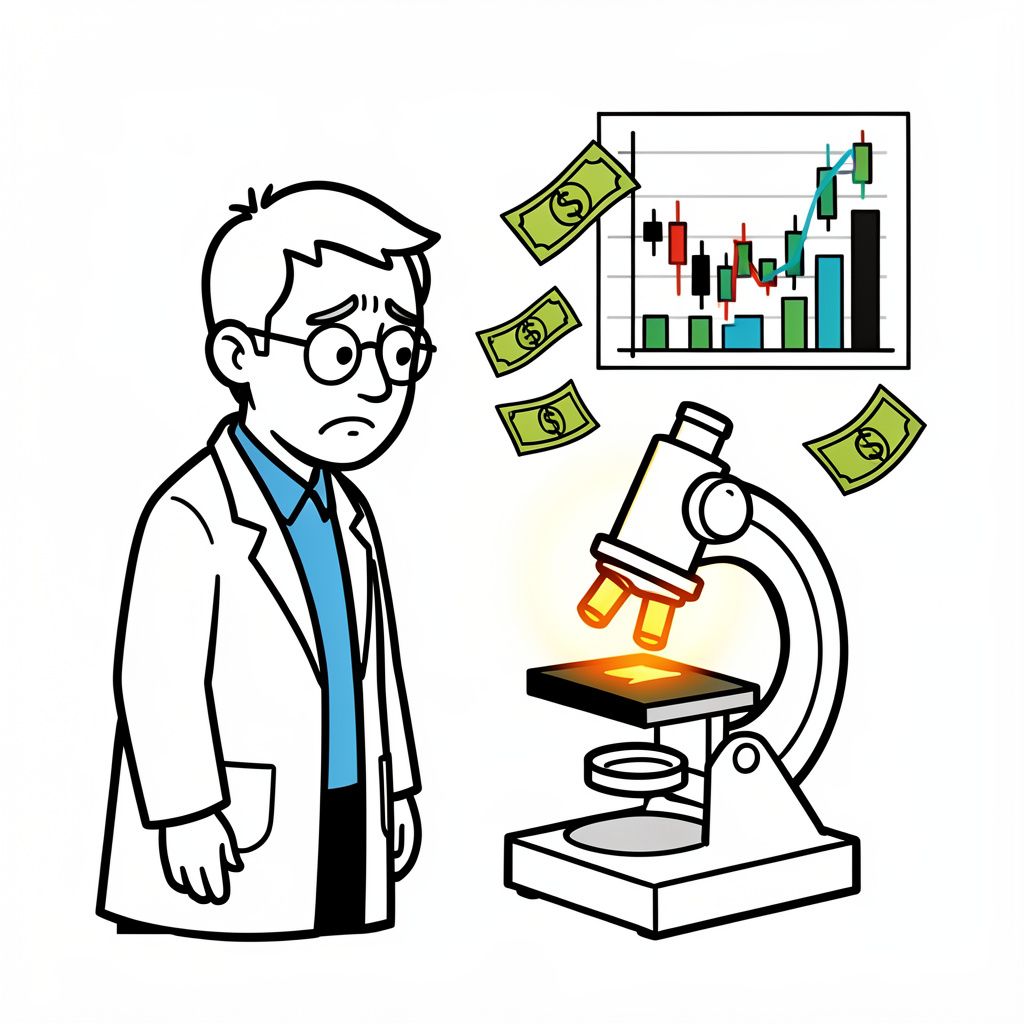
Political pressures and federal budget reductions have disrupted critical university studies on cancer and viruses, forcing scientists to scrub grant proposals and jeopardizing the pipeline of new healthcare treatments.
Trump Administration’s Policy Shift Creates Funding Crisis
The Trump administration’s second term has introduced sweeping changes to federal research funding, with the administration exerting direct influence over permissible research topics at leading public universities. At the University of North Carolina at Chapel Hill (UNC), administrators have been compelled to navigate a shifting policy landscape where funding allocations are increasingly tied to political priorities [1][5]. This has led to the discontinuation of studies deemed politically sensitive, including those focused on suicide prevention and certain aspects of coronaviruses, according to reporting by The New York Times [1]. The administration’s broader agenda includes proposed overhauls to the college accreditation process, which critics argue could further restrict academic freedom and research autonomy [5].
Direct Impact on Biomedical Research at UNC
UNC Chancellor Kevin Guskiewicz confirmed in internal communications that the university had attempted to shield high-impact programs from federal cuts by altering research proposals to align with the administration’s stated priorities [1]. Researchers at UNC reported being encouraged to remove politically sensitive language from grant applications, particularly around topics such as gun violence, climate change, and certain public health interventions [4]. The chancellor’s office stated that these adjustments were necessary to secure critical federal funding for ongoing biomedical research, including cancer therapies and AIDS treatments [1]. However, the long-term implications for academic integrity and scientific rigor remain a subject of intense debate within the higher education community.
Chilling Effect on Scientific Inquiry
The pressure to conform to political expectations has created what scientists and faculty describe as a ‘chilling effect’ on independent research. A visiting scholar at UNC, Jeff Krasno, noted in a social media post that researchers feel caught between maintaining their funding and preserving the integrity of their work [4]. The phenomenon extends beyond UNC, with the American Association of University Professors (AAUP) highlighting similar pressures at other institutions facing federal funding cuts [2]. The AAUP’s statement reflects broader concerns that the administration’s approach may undermine the foundational principles of academic freedom, which historically have been protected under long-standing federal guidelines for publicly funded research.
Broader Consequences for the Healthcare Economy
The disruptions at UNC are emblematic of a larger trend affecting the healthcare and biotechnology sectors. Life sciences investors and executives warn that delays or cancellations of federally funded research could slow the development of new treatments and therapies, creating bottlenecks in the innovation pipeline [GPT]. The National Science Foundation (NSF) has also faced scrutiny, with a coalition of researchers filing a lawsuit against the agency over the elimination of its Social, Behavioral, and Economic Sciences Directorate—a move criticized as politically motivated and detrimental to interdisciplinary research [5]. Meanwhile, Democrats in Congress have vowed to challenge the administration’s research funding cuts through legislative and investigative measures, though their ability to reverse these policies remains limited [5].
Sources
- www.nytimes.com
- www.facebook.com
- www.instagram.com
- www.youtube.com
- www.instagram.com
- newprod.acenet.edu
- x.com