Deadly UK Train Collision Shakes Nation’s Rail Safety Confidence
Bedford, Sunday, 21 June 2026.
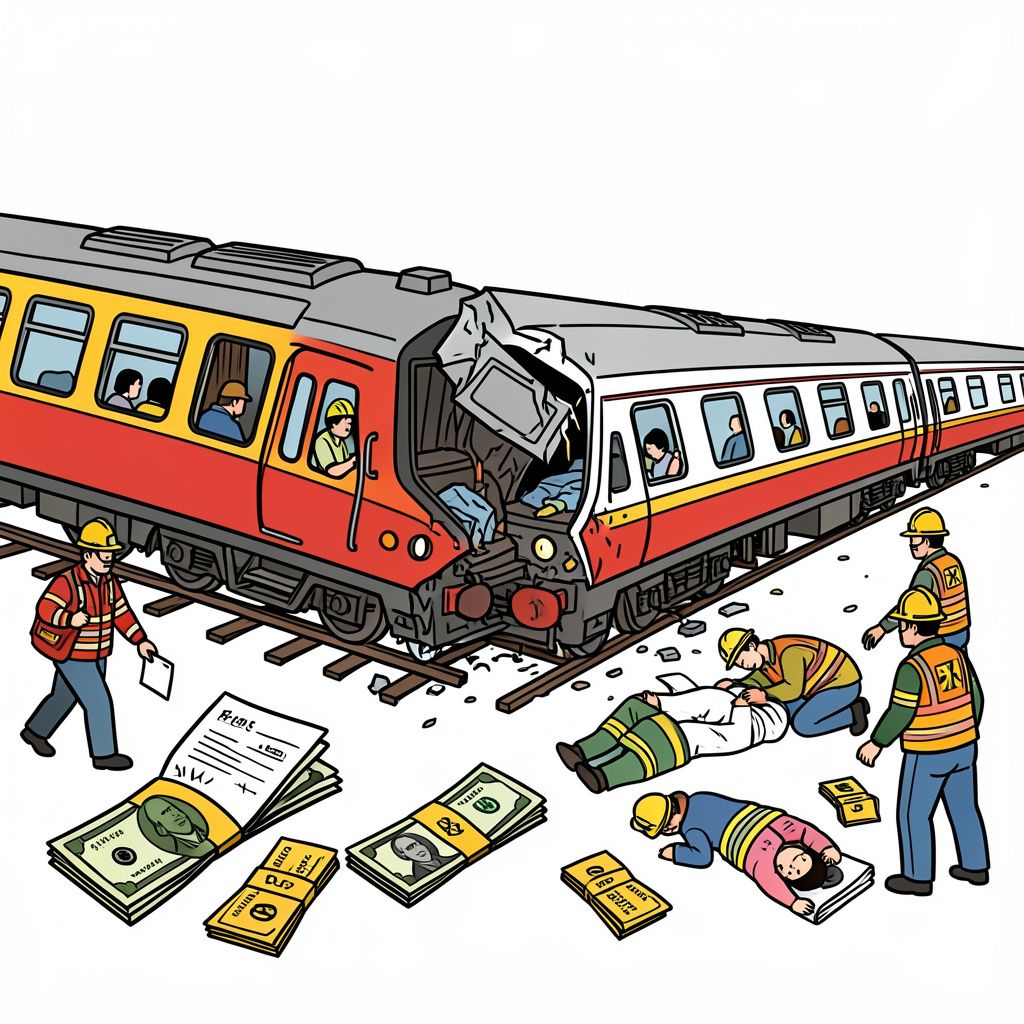
A catastrophic train crash near Bedford, England, has claimed at least one life and injured 89, sparking urgent safety debates. The collision during Friday’s rush hour disrupted the entire UK rail network, raising critical questions about infrastructure and signaling systems. Investigators are racing to determine the cause, as survivors describe scenes of chaos and devastation.
The Collision: A Timeline of Tragedy
The catastrophic collision occurred at approximately 17:15 local time on Friday, 18 June 2026, near Bedford, England, during the evening rush hour [1][2]. The incident involved two East Midlands Railway services: the 15:50 train from Nottingham and the 16:40 service from Corby, both bound for London St Pancras [3]. The collision site was located south of Bedford station, where the two trains converged on the same track [2]. Emergency services, including air ambulances and multiple fire and rescue units, were deployed within minutes, with the East England Ambulance Service declaring a ‘major incident’ [1][4]. The immediate aftermath saw 89 people injured, with 28 requiring hospital treatment—nine of whom were in critical condition [3][5]. The death toll stood at one, later confirmed to be the driver of one of the trains, a former union representative [1][3].
Survivors Describe Scenes of Chaos
Passengers onboard the trains described harrowing scenes of devastation. Peter Knapp, a 40-year-old air quality scientist and filmmaker, recounted the moment of impact as feeling ‘like a bomb, like I was in an explosion’ [1]. Knapp, who was in the front carriage of the train that rammed into the one ahead, described the interior as ‘full of dust, with the train’s seats all over the place’ [1]. He reported seeing passengers with bloodied faces and life-threatening injuries, including what appeared to be broken legs [1][2]. Another survivor, Shola Mene, told of a passenger flying across the carriage and striking her husband in the face, resulting in severe facial injuries [2]. The physical and psychological toll on survivors was immediate, with many treated for back injuries, lacerations, and shock [1][2]. Bedford Hospital, the primary receiving facility, was placed on high alert, with the public urged to avoid its emergency departments unless facing a genuine crisis [5].
Immediate Disruptions to the UK Rail Network
The collision triggered widespread disruptions across the UK’s rail network, with services suspended between Luton and Bedford as emergency crews secured the site [2]. East Midlands Railway halted all trains to and from London St Pancras, one of the country’s busiest terminals, while Thameslink advised customers to avoid travel that evening [2]. The ripple effects extended beyond the immediate area, with delays and cancellations reported on connecting lines, including services to Leicester, Nottingham, and Sheffield [2]. Transport Secretary Heidi Alexander expressed deep concern over the incident, acknowledging the ‘significant impact on commuters and freight services’ [2]. Network Rail’s regional managing director for the East, Ellie Burrows, described the event as a ‘profound tragedy’ and pledged full cooperation with investigators [6]. The economic cost of the disruption was still being assessed, but early estimates suggested delays could cost the UK economy millions of pounds per day, factoring in lost productivity and supply chain interruptions [GPT].
Political and Public Reactions: A Crisis of Confidence
The collision has reignited national debates over rail safety and infrastructure investment, with Prime Minister Keir Starmer describing the reports as ‘hugely concerning’ [1]. In a statement issued on Friday evening, Starmer extended his condolences to the families of the deceased and injured, while pledging ‘full transparency’ in the investigation [1]. The incident has drawn comparisons to previous rail disasters, including the 2020 Stonehaven derailment and the 2023 collision at Aviemore railway station in Scotland, which involved the historic Flying Scotsman steam train [2]. The latter, though occurring on a heritage railway, highlighted vulnerabilities in older signaling systems and the challenges of integrating modern safety protocols with legacy infrastructure [2]. Public confidence in the UK’s rail network has been fragile since the 2018 timetable collapse, which left thousands of passengers stranded and prompted a government review of the franchising system [GPT]. The Bedford collision is likely to intensify calls for increased funding for Network Rail, which has faced budget constraints amid rising inflation and post-pandemic ridership fluctuations [GPT]. Rail unions, including the RMT, have seized on the tragedy to demand better working conditions for drivers and improved maintenance standards, arguing that years of underinvestment have compromised safety [1].
Broader Implications for UK Transportation Policy
The Bedford collision arrives at a critical juncture for UK transportation policy, as the government prepares to finalize its Integrated Rail Plan, which outlines infrastructure priorities for the next decade [GPT]. The incident underscores the urgent need for upgrades to signaling systems, many of which date back to the 1980s and rely on outdated technology [7]. Modernization efforts, such as the European Train Control System (ETCS), have been slow to roll out due to funding delays and technical challenges [GPT]. The crash may also accelerate discussions about the role of automation in rail safety, with proponents arguing that fully automated systems could reduce human error [GPT]. However, critics warn that over-reliance on technology could introduce new risks, particularly if cybersecurity vulnerabilities are not addressed [GPT]. The economic implications of the disruption extend beyond immediate delays, with business leaders warning of potential long-term effects on commuter patterns and supply chain logistics [GPT]. Freight operators, already grappling with post-Brexit trade barriers, have raised concerns about the reliability of rail transport for goods, which accounts for approximately 9% of the UK’s domestic freight volume [GPT]. As investigations continue, policymakers face mounting pressure to balance short-term safety measures with long-term investment strategies, ensuring that the UK’s rail network remains both efficient and secure [GPT].
Sources
- www.nytimes.com
- www.cbsnews.com
- www.bbc.com
- www.theguardian.com
- www.theguardian.com
- www.facebook.com
- news.sky.com