Microsoft-Owned Game Studio Faces Wage Theft Lawsuit—What It Means for Workers
Irvine, Saturday, 20 June 2026.
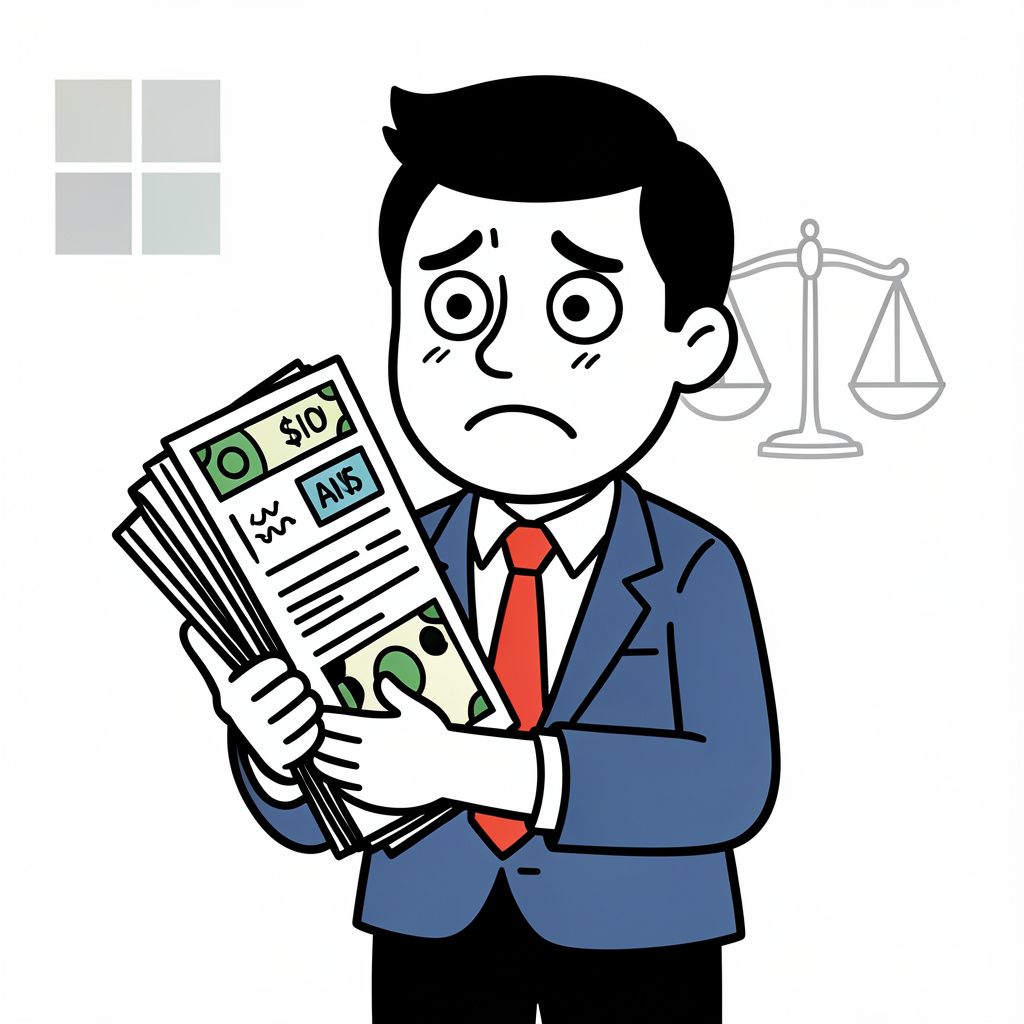
Obsidian Entertainment, the studio behind blockbuster games like The Outer Worlds 2, is accused of systematically denying overtime pay, meal breaks, and accurate wage records. The lawsuit, filed by a former quality assurance lead, could set a precedent for labor rights in gaming—with Microsoft’s oversight now under scrutiny.
The Allegations: A Systematic Pattern of Labor Violations
Obsidian Entertainment, the California-based developer behind critically acclaimed titles such as The Outer Worlds 2 and the upcoming Avowed, is facing a class action lawsuit alleging widespread violations of California’s wage and hour laws [1][3]. The lawsuit, initially filed in 2025 but gaining significant traction in January 2026, accuses the studio of failing to pay overtime, provide legally mandated meal and rest breaks, and maintain accurate records of hours worked by hourly employees [3]. The plaintiff, identified as a former quality assurance lead credited in The Outer Worlds 2, claims these violations affected both current and former hourly workers over several years [3]. The allegations paint a picture of systemic labor abuses, with the lawsuit demanding financial compensation for unpaid wages, reimbursement of work-related expenses, and other statutory penalties [3].
Obsidian’s Defense: Denial and Legal Maneuvering
In a formal response filed in March 2026, Obsidian Entertainment categorically denied all allegations, stating that the claims lack merit and sufficient legal basis [1][3]. The studio’s legal team presented dozens of arguments in defense, including assertions that the plaintiffs’ complaints do not meet the threshold for class action certification [3]. Obsidian’s public stance reflects a broader industry pattern where companies often dispute such allegations while cases proceed through lengthy legal processes. The studio’s denial comes at a critical time, as it prepares for the summer 2026 launch of Ground 2: Into the Abyss, a major expansion for one of its flagship titles [4]. This juxtaposition of legal troubles with product launches highlights the complex realities facing game developers operating under intense production pressures.
Microsoft’s Role: Corporate Oversight Under the Microscope
As a wholly owned subsidiary of Microsoft (NASDAQ: MSFT), Obsidian’s labor practices have raised questions about corporate accountability within large conglomerates [1][2]. Industry observers note that Microsoft has historically maintained a hands-off approach to studio management, allowing creative autonomy while potentially limiting oversight of day-to-day operations [2]. This case may force a reevaluation of that strategy, particularly in light of California’s stringent labor laws and the growing scrutiny of working conditions in the gaming industry [GPT]. The lawsuit’s outcome could establish important precedents for how parent companies monitor and enforce labor standards across their subsidiaries, with implications extending beyond gaming to the broader tech sector.
Industry-Wide Implications: A Test Case for Gaming Labor Rights
The Obsidian Entertainment lawsuit arrives at a pivotal moment for labor rights in the gaming industry. California’s wage and hour laws, among the most protective in the United States, provide for significant penalties in cases of proven violations, including unpaid wages, statutory damages, and attorney’s fees [GPT]. If the plaintiffs prevail, the financial consequences for Obsidian could be substantial, potentially running into millions of dollars depending on the number of affected workers and the duration of the alleged violations [alert! ‘exact financial penalties not yet determined’]. Beyond the immediate financial impact, the case could embolden workers at other studios to come forward with similar complaints, particularly in California where many major game developers are based. The lawsuit also underscores the growing tension between the industry’s creative ambitions and the legal obligations to its workforce.
Timeline of Events: From Filing to Public Scrutiny
The legal battle has unfolded over an extended period, with key dates marking its progression: the initial complaint was filed in 2025, but it was an amended version submitted in January 2026 that brought the case to wider public attention [3]. Obsidian’s formal response in March 2026 set the stage for what promises to be a protracted legal process, with class certification hearings and potential settlement negotiations likely to extend well into 2027 [alert! ‘exact timeline uncertain’]. The case’s visibility has been amplified by Obsidian’s high-profile projects, including the upcoming Avowed and the recently announced Ground 2: Into the Abyss expansion [1][4]. This timeline illustrates the often-lengthy gap between alleged violations and legal resolution in complex labor cases.
The Human Cost: Voices from the Gaming Industry
While the lawsuit focuses on legal and financial aspects, industry commentators have highlighted the human impact of the alleged labor violations. Former employees and labor advocates point to a broader pattern of ‘crunch culture’ in game development, where extended overtime and high-pressure deadlines have become normalized [2]. The plaintiff’s position as a quality assurance lead—a role often associated with grueling work conditions—brings particular attention to the treatment of QA workers, who form the backbone of game testing but frequently face precarious employment terms [GPT]. Social media discussions have amplified these concerns, with some developers expressing frustration at what they perceive as a lack of accountability within the industry [2]. These voices underscore the potential for this lawsuit to catalyze conversations about sustainable work practices in gaming.