Injectable Device Offers Battery-Free Nerve Relief for Chronic Pain
Washington, Sunday, 11 October 2026.
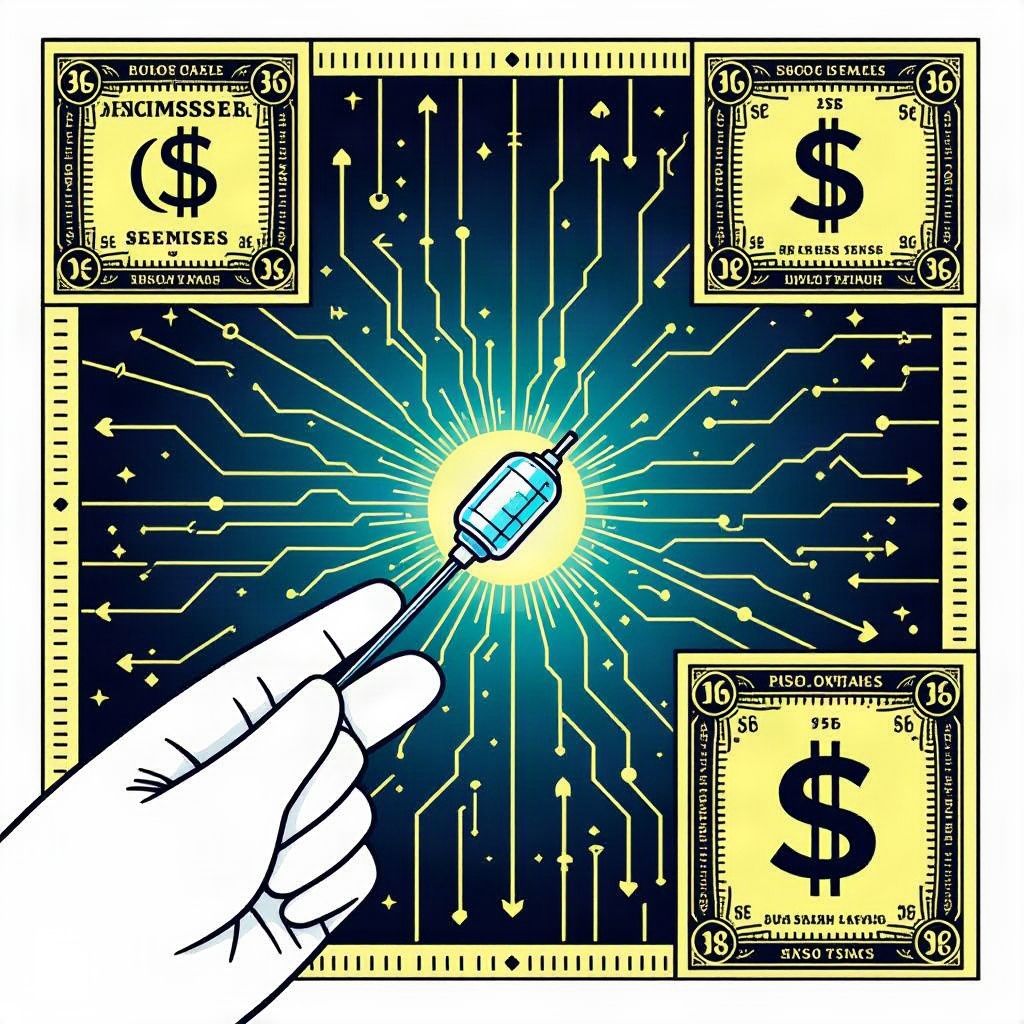
Researchers at NYU Abu Dhabi and Cleveland Clinic Abu Dhabi introduced SEED, a tiny injectable device providing wireless, battery-free nerve stimulation to treat chronic pain without surgical implants.
Technical Specifications and Development
The newly unveiled device, known as SEED, is approximately the size of a small seed and is designed to be injected near a target nerve using a standard needle, eliminating the need for surgical implantation [2]. Unlike traditional neurostimulators that require batteries and wires, this innovation receives power wirelessly from outside the body, allowing for real-time adjustments and monitoring via ultrasound or computed tomography (CT) scans [1]. Researchers from NYU Abu Dhabi and Cleveland Clinic Abu Dhabi confirmed that the technology successfully activated nerves in vivo during laboratory experiments and preclinical testing [1]. The device functions by delivering programmable electrical stimulation, ensuring treatment can be adjusted dynamically based on patient needs [2].
Market Disruption and Economic Impact
This bio-electronic innovation promises to disrupt the medical device sector by offering a non-opioid alternative for chronic pain management, potentially reducing healthcare costs and liability risks for employers and insurers [1]. Treating chronic pain with nerve stimulation usually means surgery to implant a device with batteries and wires, but this new approach points to a much simpler procedure [2]. By making nerve therapies simpler, safer, and more accessible, the technology aims to maintain precise control over nerve activity while lowering procedure-related risks and recovery times [1]. The shift could significantly impact the multi-billion dollar chronic pain market by reducing reliance on invasive surgical implants [1].
Clinical Pathway and Future Timeline
Despite promising preclinical results, the technology has only been tested in preclinical models and not yet in people, meaning clinical trials would be needed before it could become a treatment [2]. Future research aims to validate safety and clinical effectiveness in humans, specifically evaluating whether the device can reduce the need for traditional, invasive surgical implants [1]. Researchers see potential for chronic pain and movement disorders, and possibly other neurological conditions in the future [2]. As of October 2026, the focus remains on bridging the gap between non-invasive therapies and traditional implants through further academic partnerships [1].