Nonprofit Launches National Strategy to Solve America's Computer Ownership Crisis
Washington, Monday, 7 September 2026.
Digitunity unveiled a national initiative to bridge the computer ownership gap affecting 32.9 million Americans, prioritizing corporate device reuse over basic internet access to drive economic participation.
National Framework Launched to Address Digital Divide
On September 7, 2026, national nonprofit Digitunity unveiled a comprehensive ‘Theory of Change’ framework designed to eliminate the computer ownership gap impacting 32.9 million people across the United States [1][2][3]. Released in North Conway, N.H., the initiative outlines necessary strategic shifts across corporate IT asset disposition, public policy, and community infrastructure to transform decommissioned corporate hardware into critical infrastructure for underserved communities [1][3]. This launch marks a pivotal moment for enterprise leaders and policymakers, highlighting actionable pathways to align corporate ESG strategies with digital equity efforts [2][3].
The Scale of the Ownership Gap
Digitunity’s analysis of U.S. Census Bureau data indicates that 32.9 million Americans currently lack a home computer, creating significant barriers to essential services [1][2][3]. Furthermore, data suggests that 1 in 7.5 U.S. households lacks a large-screen computer, a statistic representing approximately 13.333 percent of households facing potential exclusion from the digital economy [1][2][3]. This deficit creates hurdles in education, employment, healthcare, and access to government resources, necessitating a move beyond temporary fixes [2][3].
Economic Implications of Ownership Versus Access
Research from UC Santa Barbara, published in the Journal of Computer-Mediated Communication, indicates that computer access is more strongly associated with beneficial internet usage than in-home internet service alone [1][2][3]. Beneficial usage includes critical economic activities such as job searches, healthcare management, and engagement with government services, suggesting that device ownership is a stronger predictor of economic mobility than connectivity [2][3]. This data highlights a disconnect in current federal broadband policy that often prioritizes infrastructure over device ownership, a gap the new framework aims to address [2][3].
Strategic Shifts in IT Asset Management
The framework identifies the core requirement for success as shared responsibility across business, government, philanthropy, and community sectors, supported by data-driven decision-making [1][3]. Digitunity aims to create a coordinated ecosystem linking IT asset management sources, refurbishers, and community organizations to prioritize computer ownership over mere access [1][2]. Scot Henley, Executive Director of Digitunity, stated that the gap won’t be solved by any single program but requires corporate contributors and policymakers working towards a shared vision [1][2][3].
Systemic Change for the AI Era
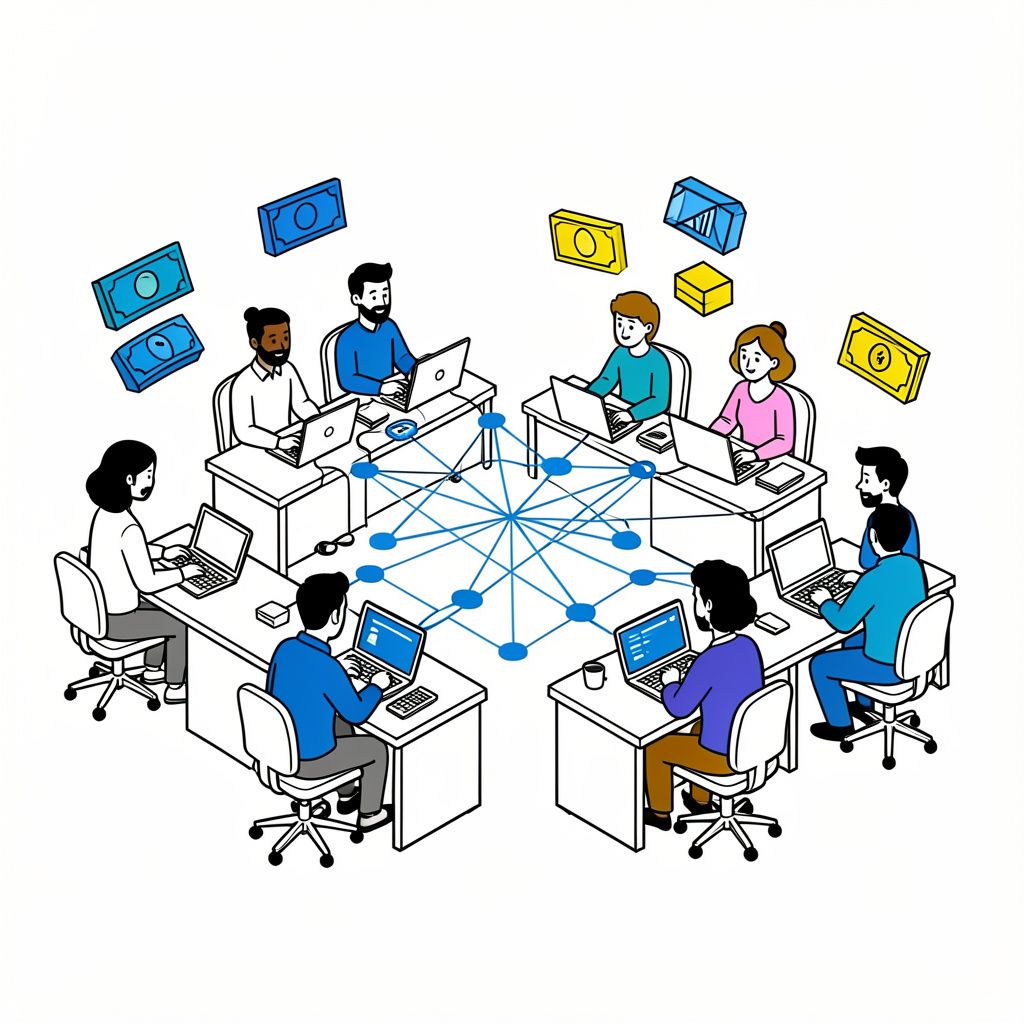
Digitunity is implementing this national framework to transition technology reuse from occasional charity to a systemic, default practice for social impact [1][3]. Henley emphasized that computer ownership builds the agency people need to participate fully in the modern economy, especially in the age of AI [2][3]. The operational model maps a central problem with three layers of change: the flow of reusable technology, integrated policy support, and the utilization of evidence to track progress across sectors [2][3].