Japanese Prime Minister Sanae Takaichi Gains Strong Support in Latest National Survey
Tokyo, Monday, 31 August 2026.
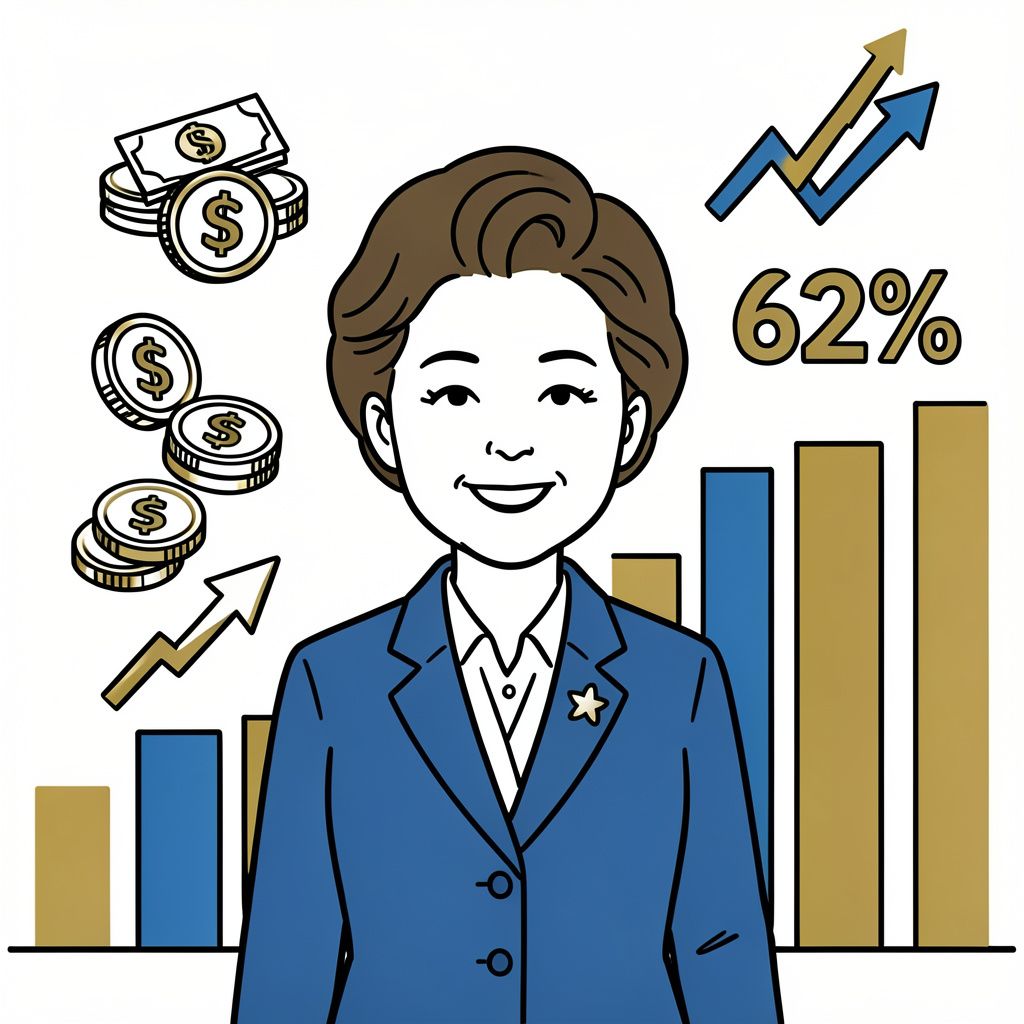
Prime Minister Sanae Takaichi’s cabinet approval rating rose to 62% in late August 2026, driven by an 11-point surge among independent voters, despite growing concerns over funding for tax cuts.
Surge in Cabinet Approval Amidst Economic Policy Shifts
Public support for Japanese Prime Minister Sanae Takaichi’s cabinet rose to 62% in late August 2026, marking a four-point increase from the previous month [1][2]. The poll, conducted by Nikkei and TV Tokyo between 28 and 30 August 2026, indicates a rebound in political capital for the administration as it navigates complex fiscal reforms [2][7]. Disapproval ratings concurrently fell by five percentage points to settle at 32%, suggesting a consolidation of support among the electorate [1][4]. This shift provides a stabilizing backdrop for the government’s economic initiatives in Asia’s second-largest economy [1].
Independent Voters Drive Political Momentum
A critical component of this surge is the 11-point rise in support among independent voters, who now constitute 47% of the cabinet’s backing [2][7]. This current level represents a significant recovery, calculated as 36 percent in the prior survey period [2]. Among specific demographics, support from voters aged 39 and under, as well as those in their 40s and 50s, reached 71% [7]. In contrast, support from Liberal Democratic Party loyalists remained stable at 89%, while opposition supporters showed a 37% approval rate [2][4].
Fiscal Policy and Economic Implications
The administration faces a projected $63 billion fiscal shortfall stemming from planned temporary cuts to the food sales tax and ongoing defense buildup projects [1]. Public opinion remains divided on the tax reduction strategy, with 64% of respondents expressing concern over potential impacts on social security funding [7]. Despite these concerns, 50% of respondents affirmed the policy of reducing the food consumption tax to 1% starting in April 2027 [7]. The strong approval ratings offer political momentum to address these fiscal challenges while maintaining stability for foreign investment and bilateral trade relations [1].
Strategic Outlook for 2026 and Beyond
Maintaining an approval rating above 60% places the Takaichi cabinet among a select group of recent administrations, including those of Shinzo Abe and Junichiro Koizumi, to sustain such support beyond ten months in office [7]. The government continues to balance tax relief measures with defense spending requirements as it moves through the latter half of 2026 [1]. Analysts note that sustaining this support will depend on managing inflation concerns and ensuring social security stability amidst the proposed tax changes [7]. The next legislative session will be crucial for translating this public support into enacted fiscal policy [1].