Mexico Faces Security Crisis as Cartel Leader El Mencho’s Death Sparks Retaliation
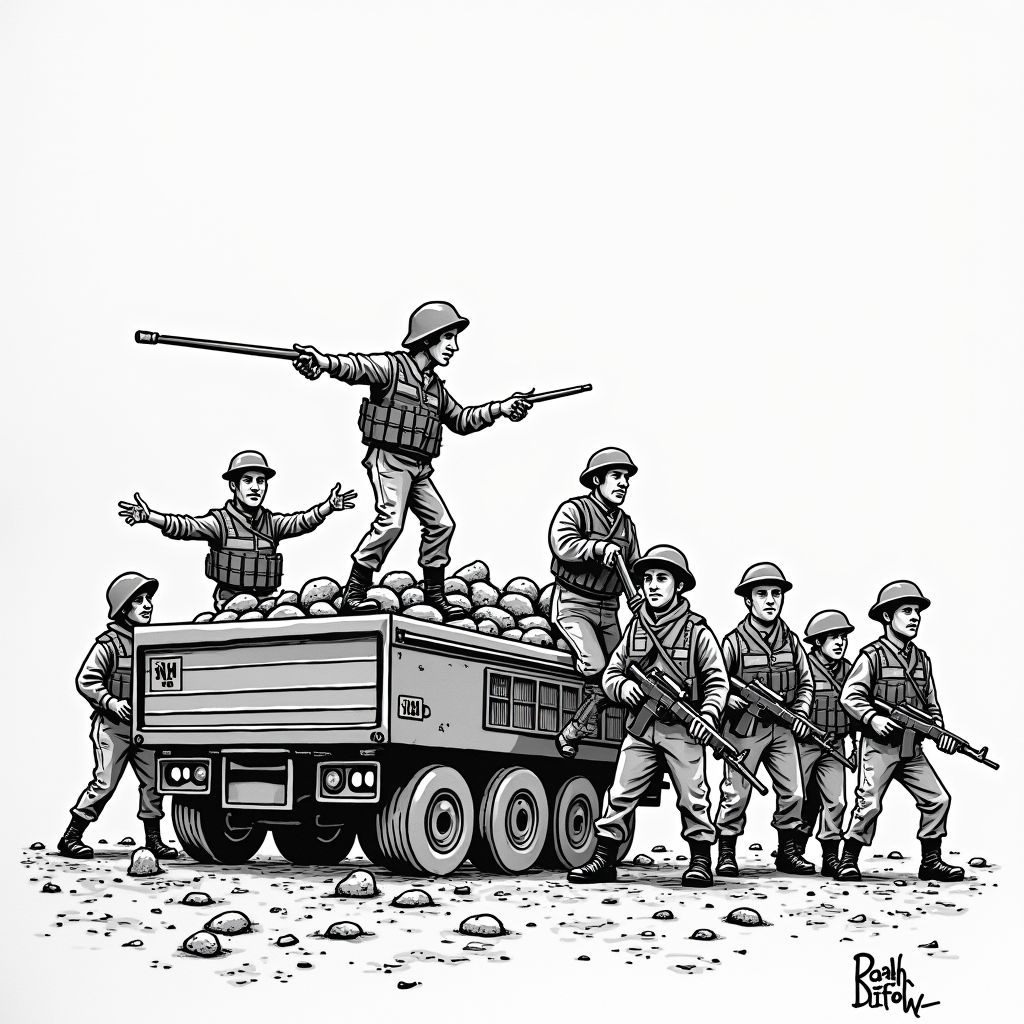
Guadalajara, Tuesday, 3 March 2026.
The confirmed death of CJNG leader El Mencho has triggered a violent power vacuum, leaving over 70 dead and disrupting supply chains across Mexico. As 10,000 troops mobilize to contain the fallout, international investors face immediate security risks amidst the cartel’s unpredictable succession battle.
Official Confirmation and Forensic Details
Following days of speculation, the physical chapter of the manhunt for Nemesio Oseguera Cervantes closed yesterday, March 2, 2026, when his remains were interred in Zapopan, a suburb of Guadalajara, under heavy military guard [7]. The burial followed the release of the body to his family on February 28, after the Attorney General’s Office (FGR) performed genetic testing to confirm his identity [2][6]. Official death certificate number 3830, issued by the Civil Registry of Mexico City, cites the specific cause of death as multiple perforating gunshot wounds to the thorax, abdomen, and lower extremities [4][6]. While Oseguera Cervantes was apprehended during a military operation in Tapalpa, Jalisco, on February 22, he died at 10:30 AM that same day while being airlifted to Mexico City for medical treatment [1][6]. Notably, federal authorities discovered medications possibly used for treating kidney failure at the hideout, suggesting the 59-year-old leader had underlying health issues prior to the lethal confrontation [2][5].
Operational Impact and Escalating Violence
The removal of the CJNG figurehead has precipitated an immediate and severe security crisis rather than a cessation of hostilities. In the week since the operation, retaliatory violence has spread to 20 of Mexico’s 32 states, characterized by road blockades and the burning of vehicles [2]. This coordinated offensive by cartel operatives has resulted in more than 70 fatalities, a toll that includes security agents, suspected cartel members, and civilians [1][2]. In response to the widespread unrest, the Mexican government has deployed 10,000 troops to quell clashes and restore order, yet major business and travel disruptions persist throughout the country [1]. For logistics and supply chain managers, the situation remains critical; on March 1, Michoacán Governor Alfredo Ramírez Bedolla confirmed that investigations are extending to local police forces in western regions, further complicating the security reliability of local transport corridors [7].
The Battle for Succession
For international observers and investors, the primary risk factor now shifts to the internal restructuring of the cartel. The power vacuum left by El Mencho—who carried a $15 million USD reward from the U.S. government—has triggered a high-stakes succession battle [2]. On February 28, Secretary of Security Omar García Harfuch stated that the federal government had identified four possible successors, though names were withheld to safeguard ongoing intelligence operations [5]. Security experts, however, have highlighted five individuals with significant influence who may vie for control: Audias Flores Silva (“El Jardinero”), Juan Carlos Valencia González (“El 03”), Ricardo Ruiz Velasco (“El RR”), Hugo Gonzalo Mendoza Gaytán (“El Sapo”), and Heraclio Guerrero Martínez (“El Tío Lako”) [5]. The simultaneous deaths of close operators Rubén Guerrero Valadez (“El R1”) and Hugo César Macías Ureña (“El Tuli”) during the initial operation further destabilize the command structure, increasing the likelihood of a violent fracturing of the organization [5].
Sources
- www.wbur.org
- www.dw.com
- www.facebook.com
- es-us.noticias.yahoo.com
- www.infobae.com
- aristeguinoticias.com
- www.primerahora.com
- www.instagram.com