Conservative Asfura Officially Named Honduras President-Elect After Disputed Vote
Tegucigalpa, Wednesday, 24 December 2025.
Backed by U.S. President Donald Trump, Nasry Asfura has secured the Honduran presidency with a razor-thin margin of just 0.77 percent. This conclusion to weeks of electoral uncertainty signals a pivotal shift in Central American geopolitics, potentially realigning Tegucigalpa with Taiwan and Washington despite fierce opposition claims of fraud.
A Razor-Thin Margin
The National Electoral Council (CNE) of Honduras officially declared Nasry Asfura the winner on Wednesday, December 24, 2025, concluding a volatile counting process following the November 30 election [2][3]. According to the final tally approved by the CNE, Asfura garnered 1,475,913 votes, representing 40.28 percent of the total, while his closest rival, Salvador Nasralla of the Liberal Party, received 1,447,750 votes, or 39.51 percent [5]. This results in a raw victory margin of just 28163 votes, underscoring the deep political divisions within the nation.
Fractured Electoral Authority
The declaration was formalized following a tense session on the night of Tuesday, December 23, where CNE councilors Ana Paola Hall and Cossette López voted by majority to validate the results based on available data [5]. The process was marred by the abrupt exit of councilor Marlon Ochoa, who denounced the proceedings as irregular and announced his intention to file a complaint with the Public Ministry regarding the validity of the count [5]. Credibility concerns have dogged the process, which required a manual recount of 15 percent of tally sheets due to tight margins and processing inconsistencies [3]. The Organization of American States (OAS), through official Albert Ramdin, criticized the electoral authorities for announcing the result while 0.07 percent of votes reportedly remained uncounted [2].
The Washington Influence
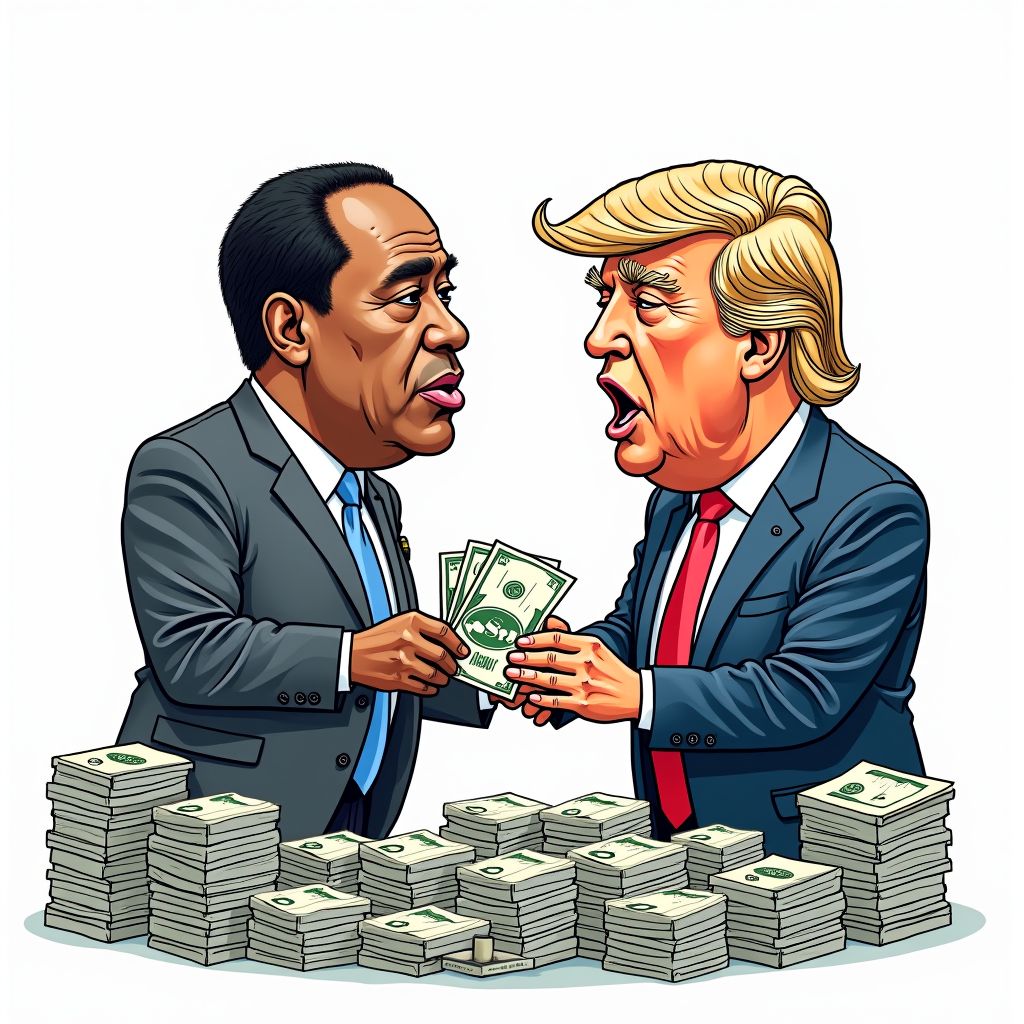
The geopolitical dimensions of Asfura’s victory are substantial, particularly regarding Honduras’ relationship with the United States. President Donald Trump explicitly endorsed the 67-year-old former mayor of Tegucigalpa days prior to the election, leveraging threats to cut off U.S. aid should Asfura fail to win [2][3]. In a move that underscored this alignment, Trump also pardoned former Honduran President Juan Orlando Hernández on December 2, just days after the vote [3]. Following the CNE’s announcement, U.S. Secretary of State Marco Rubio immediately congratulated Asfura on December 24, urging all parties to accept the outcome [2][3].
Opposition and Transition
Despite the official declaration, political stability remains fragile as Asfura prepares to take office on January 27, 2026 [3]. Congress President Luis Redondo has rejected the CNE’s decision, characterizing the events as an “electoral coup” and asserting that the results have “no value” outside the law [3]. Meanwhile, the LIBRE party candidate, Rixi Moncada, who finished third with 19.20 percent of the vote (700,400 ballots), has refused to recognize the results, citing fraud [5]. Asfura, who ran on a pro-business platform, has indicated a potential foreign policy pivot, signaling he may switch Honduras’ diplomatic allegiance back to Taiwan and away from Beijing [3].