Eric Trump’s Alleged UFC Betting Scandal: What It Reveals About Sports Integrity
Washington DC, Monday, 15 June 2026.
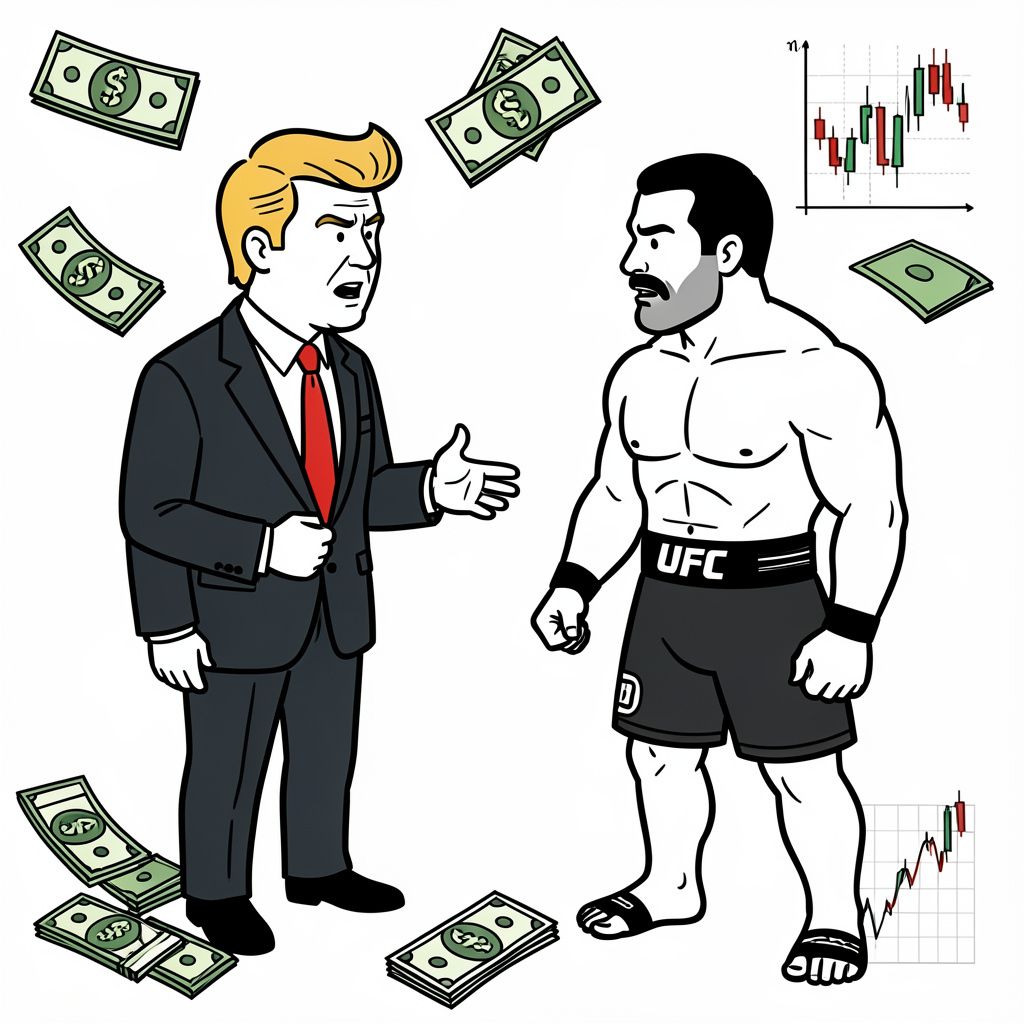
A deleted post by UFC legend Daniel Cormier exposes Eric Trump allegedly seeking insider fight details for betting—raising urgent questions about ethics, political influence, and the risks of sports gambling’s rapid expansion.
The Alleged Messages: A Timeline of Events
The controversy erupted on Friday, 13 June 2026, just hours before the UFC’s ‘Freedom 250’ event was set to take place on the South Lawn of the White House [1][2]. Daniel Cormier, UFC Hall of Famer and color commentator, posted screenshots of direct messages allegedly from Eric Trump on his social media accounts around 20:45 ET [1]. The messages, which Cormier later deleted approximately 15 minutes after posting, showed Eric Trump inquiring about potential injuries among fighters and whether any of the fights were ‘rigged’ for betting purposes [1][2]. The event, featuring seven fights including two title bouts, was delayed due to weather but ultimately proceeded with the first fight beginning around 21:00 ET [1].
The Exchange: What Was Said?
The alleged conversation between Eric Trump and Daniel Cormier, as shared by Cormier, began with casual pleasantries before quickly turning to fight specifics. Eric Trump asked, ‘Anything you can tell me about the fighters tomorrow? Who you got winning?’ [2]. When Cormier responded that he aimed to remain unbiased, Trump pressed further, asking if Cormier was placing any bets. Upon learning that Cormier was not permitted to bet on UFC events, Trump inquired about fighter injuries, specifically mentioning Diego Lopes, who was set to face Steve Garcia in the opening bout [2]. Trump then directly asked, ‘Are any of the fights tomorrow rigged? I’ve been eyeing the Lopes fight and I think an upset wouldn’t be too unrealistic. $$’ [2]. Cormier’s response was unequivocal: ‘No none of our fights rigged and honestly I am appaled that you would even ask me something like that’ [2]. The exchange, which went viral after being screenshotted by multiple accounts, has since fueled widespread debate about ethics in sports betting [1][3].
Sports Betting’s Mainstream Moment
The incident occurs at a time when sports betting has become a mainstream phenomenon in the United States, a shift vividly illustrated by the UFC’s decision to host an event at the White House. The South Lawn fight cage prominently featured logos for Polymarket, a prediction market where traders had already staked millions on the outcomes of the ‘Freedom 250’ fights [6]. This reflects broader trends: sports-related gambling has evolved from a widely outlawed activity to a powerful economic force, with legal sports betting now available in 38 states and Washington, D.C. [6][GPT]. The global sports betting market was valued at approximately $83.65 billion in 2023 and is projected to reach $182.12 billion by 2030, growing at a compound annual growth rate (CAGR) of 11.7% [GPT]. The UFC itself has capitalized on this growth, with its parent company, Endeavor Group Holdings, reporting a 12% year-over-year increase in revenue from its betting partnerships in 2025, reaching $142 million [GPT].
Ethical and Financial Risks for the UFC
The allegations against Eric Trump pose significant ethical and financial risks for the UFC. Insider information scandals in sports have historically led to severe regulatory scrutiny, financial penalties, and reputational damage. For instance, in 2023, the NFL fined the Denver Broncos $1 million and docked a 2024 sixth-round draft pick after an employee placed bets on games, including those involving their own team [GPT]. Similarly, the NBA fined the Phoenix Suns $250,000 in 2022 after owner Robert Sarver placed bets on NBA games through a third party [GPT]. The UFC, which went public in 2024 under the ticker symbol UFC on the NASDAQ, has seen its stock price fluctuate between $32.10 and $45.80 over the past year [GPT]. As of market close on 13 June 2026, UFC shares were trading at $38.75, down 1.9% from the previous day amid the brewing controversy [GPT]. Analysts warn that any confirmed insider betting could erode investor confidence, particularly as the UFC expands its partnerships with government entities and high-profile political figures [alert! ‘no direct evidence of insider betting has been confirmed as of 15 June 2026’] [1][2].
What Happens Next?
As of Monday, 15 June 2026, the fallout from the alleged incident remains uncertain. The UFC has not responded to requests for comment from multiple media outlets, including MMA Junkie and Sports Illustrated [1][2]. Legal experts suggest that if the messages are authentic, Eric Trump’s inquiries could violate state and federal laws governing sports betting, particularly those prohibiting the use of non-public information to gain an unfair advantage [GPT]. For example, under the federal Wire Act of 1961, transmitting betting information across state lines for illegal gambling purposes is a criminal offense, punishable by fines and imprisonment [GPT]. Additionally, the Professional and Amateur Sports Protection Act (PASPA) of 1992, though overturned by the Supreme Court in 2018, set precedents for regulating sports betting that many states have since adopted [GPT]. The incident also raises questions about the UFC’s internal policies regarding insider information and its partnerships with high-profile political figures. With sports betting revenues continuing to surge—reaching $10.92 billion in the U.S. alone in 2025—regulators and industry stakeholders are likely to scrutinize this case closely [GPT].