Canada Backs First AI-Powered Rocket Production Line to Boost Space Independence
Ottawa, Thursday, 28 May 2026.
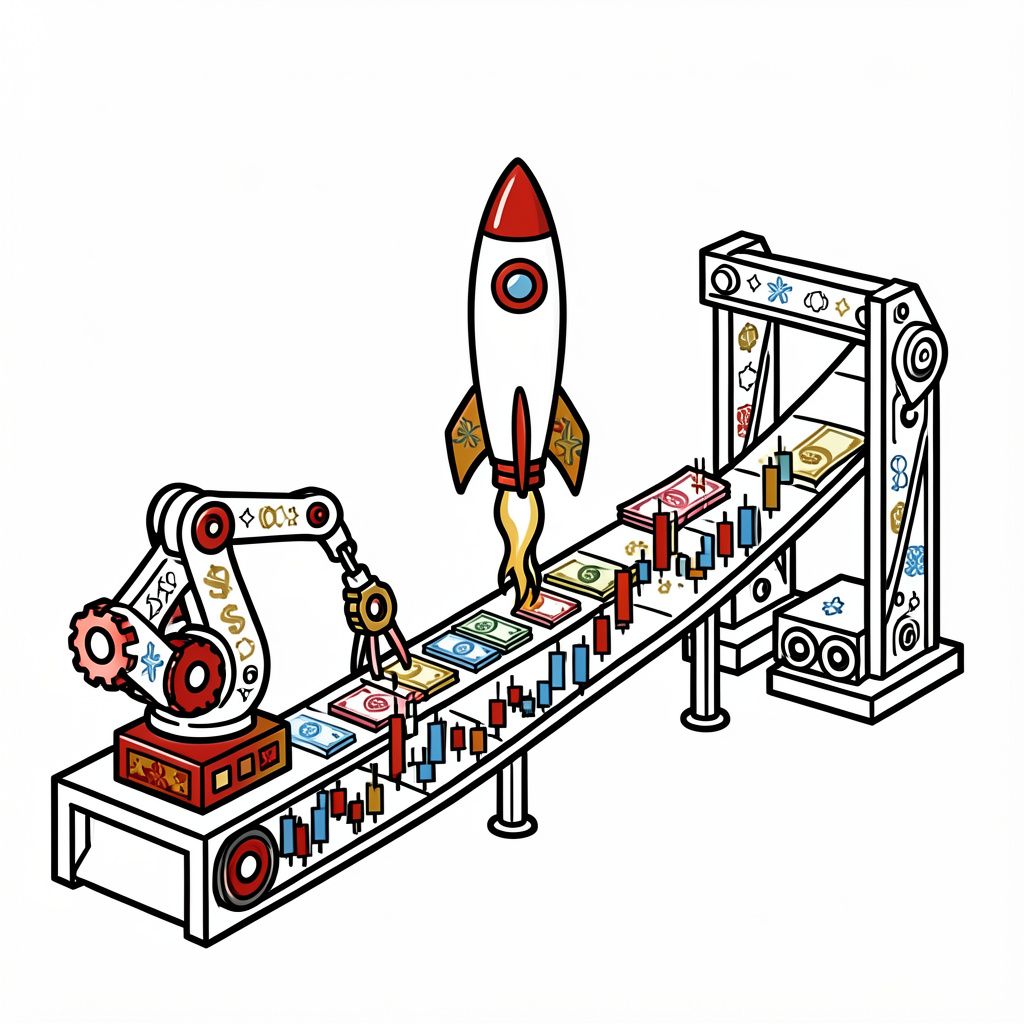
A NordSpace-led consortium secured $3.2 million to build Canada’s first AI-powered rocket manufacturing line. This $8 million project strategically reduces foreign reliance and strengthens North American aerospace supply chains.
Aligning with the Defence Industrial Strategy
On May 28, 2026, a 100% Canadian-owned industrial consortium announced an advanced space manufacturing project valued at over $8 million, based in Markham, Ontario [1]. Spearheaded by NordSpace Corp., the group includes Miltera Machining Research Corp., Pegmatis Inc., Prime Powders Inc., and the Indigenous-owned Bear Paw Manufacturing [1]. The initiative is supported by a $3.2 million injection from Next Generation Manufacturing Canada (NGen) through its Advanced Manufacturing Technology Program [1]. This financial backing means that NGen is subsidizing exactly 40 percent of the project’s baseline value [1].
The Technology Powering Next-Generation Launch
At the core of this initiative is the development of Canada’s first AI-powered hybrid additive-subtractive manufacturing line, specifically tailored for rocket propulsion hardware [1][2]. Launching NordSpace’s Tundra rocket on an aggressive timeline requires flight-grade hardware that the existing Canadian supply chain has historically been unable to produce [1]. The new manufacturing cell will focus on producing high-performance turbopumps, which are highly complex components essential for next-generation space propulsion systems [1][2].
Building a Sovereign Aerospace Supply Chain
Achieving sovereign access to space is fundamentally linked to domestic manufacturing autonomy. NordSpace CEO Rahul Goel has emphasized that building the most demanding components of launch propulsion entirely at home is a prerequisite for space independence [1]. This sentiment echoes themes discussed earlier this month at the Canadian Space Launch Conference on May 5, 2026, where NordSpace and sponsors like Intlvac Thin Film gathered under the theme “Building a Spacefaring Nation” [3]. NGen CEO Jayson Myers further noted that combining AI-driven hybrid technologies with strong ecosystem participation delivers both immediate production results and long-term strategic value [1][2].
Strategic Implications for North America
The strategic push to onshore these capabilities has garnered high-level governmental support. The Honourable Mélanie Joly, Minister of Industry, stated that the investment is a prime example of putting the Defence Industrial Strategy into action, highlighting its potential to strengthen the defense economy and allow domestic manufacturers to compete on a global scale [1][2]. This aligns with her broader strategic agenda, which included a joint funding announcement with NGen focused on dual-use technologies and strategic supply chains at Hannover Messe in April 2026 [3].