Trump Administration Eliminates $2 Billion in Mental Health and Addiction Grants
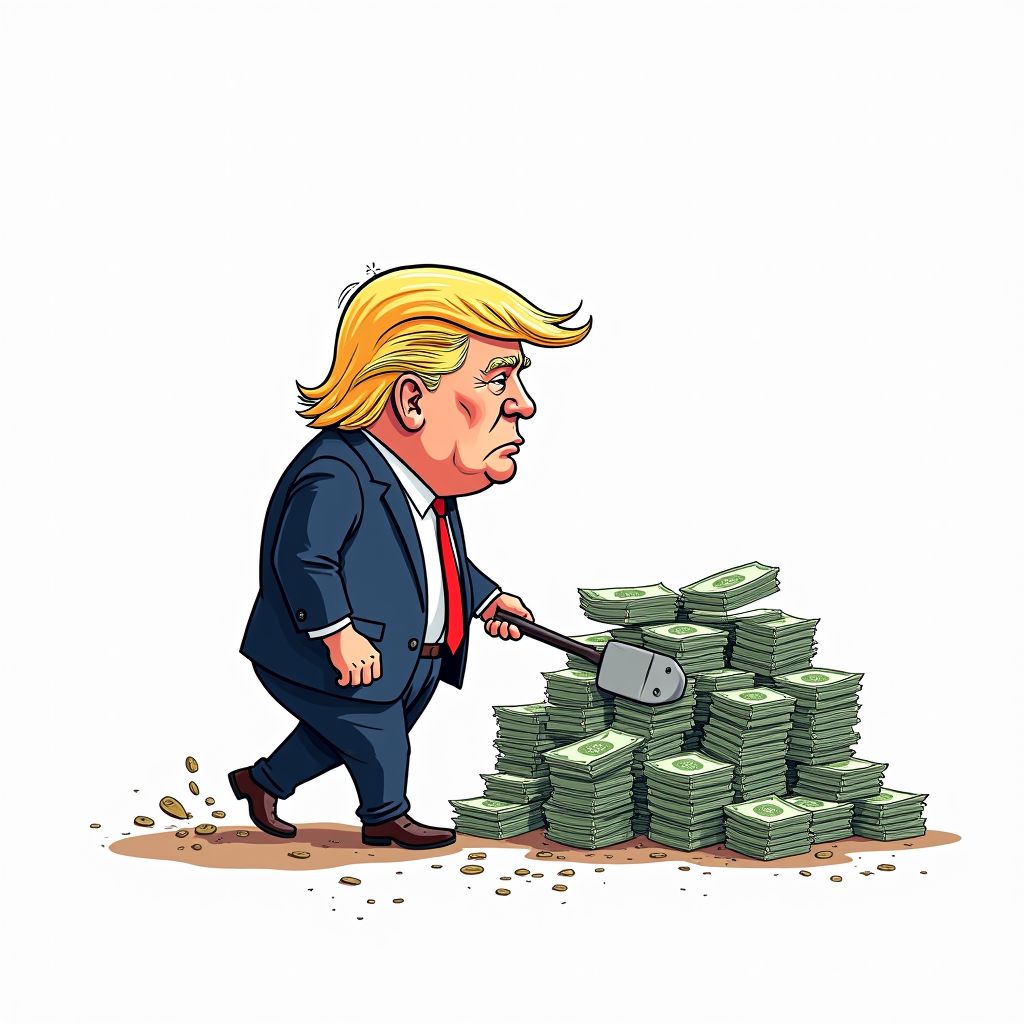
Washington D.C., Thursday, 15 January 2026.
Effective immediately, a $2 billion reduction terminated roughly 2,800 federal grants, forcing providers to instantly halt critical addiction and recovery services nationwide.
The Fiscal Shock: Immediate Terminations
On Tuesday, January 13, 2026, the Trump administration issued termination notices to thousands of grantees, effectively halting approximately $2 billion in federal funding [1][3]. The cancellations, which affect an estimated 2,800 grants, represent roughly 26% of the Substance Abuse and Mental Health Services Administration (SAMHSA) budget [2][6]. The directive was explicit and immediate: grantees were informed that any costs incurred after the termination date would be considered “not allowable,” forcing a sudden cessation of operations for affected programs [3][7].
Scope of the Cuts
The cuts target a wide array of behavioral health services, including drug courts, screening and referral services, and programs specifically designed for pregnant and postpartum women [1]. However, preliminary reports suggest that the administration has retained specific high-profile funding streams; the State Opioid Response Grant, Certified Community Behavioral Health Clinic (CCBHC) funding, and the 988 Suicide & Crisis Lifeline funding do not appear to be included in this specific wave of terminations [2].
Operational Disruption and Provider Solvency
The abrupt removal of federal support has created an immediate liquidity crisis for nonprofit providers. Organizations were notified that the cancellations were final and necessary to “align with agency priorities” [4]. The financial impact is granular and severe; for instance, Ryan Hampton of Mobilize Recovery noted his organization lost approximately $500,000, necessitating an immediate halt to naloxone distribution and peer recovery services [3]. Similarly, the Missouri statewide association identified a loss of $5.2 million designated for overdose reversal training and treatment information [1].
Strategic Realignment Under New Leadership
This fiscal restructuring is occurring under the supervision of Health Secretary Robert F. Kennedy Jr. and the acting head of SAMHSA, Chris Carroll, a twenty-year veteran of the agency [4]. Carroll assumed the role following the departure of Art Kleinschmidt, a former top aide who left for the Department of Homeland Security in December 2025 [4]. The administration’s move to cut discretionary funds follows a legislative trend established in 2025, when the Republican-controlled Congress passed significant cuts to Medicaid, further straining the financial viability of addiction care providers [3].
Analyzing the Human and Economic Cost
The termination of these grants arrives at a critical juncture for public health outcomes. Data indicates that the U.S. overdose rate dropped by 27% in 2024 [6]. Furthermore, provisional reports suggest fatalities for the 12-month period ending in August 2025 had decreased to approximately 72,000, down from a peak of nearly 111,000 in 2023 [1]. Industry leaders argue that the grants were instrumental in this reversal; the National Council for Mental Wellbeing described the funds as “lifelines” rather than abstract budget items [2].
Sources
- www.nytimes.com
- www.thenationalcouncil.org
- www.npr.org
- www.statnews.com
- www.nami.org
- www.theguardian.com
- www.ajmc.com
- www.psychiatry.org