US Intercepts Encrypted Signals Pointing to Global Iranian Sleeper Cell Activation
Washington D.C., Monday, 9 March 2026.
Following Ayatollah Khamenei’s February 2026 death, US intelligence intercepted encrypted broadcasts likely from Iran. These signals may activate global sleeper cells, posing severe geopolitical risks for multinational markets.
Encrypted Transmissions and Operational Triggers
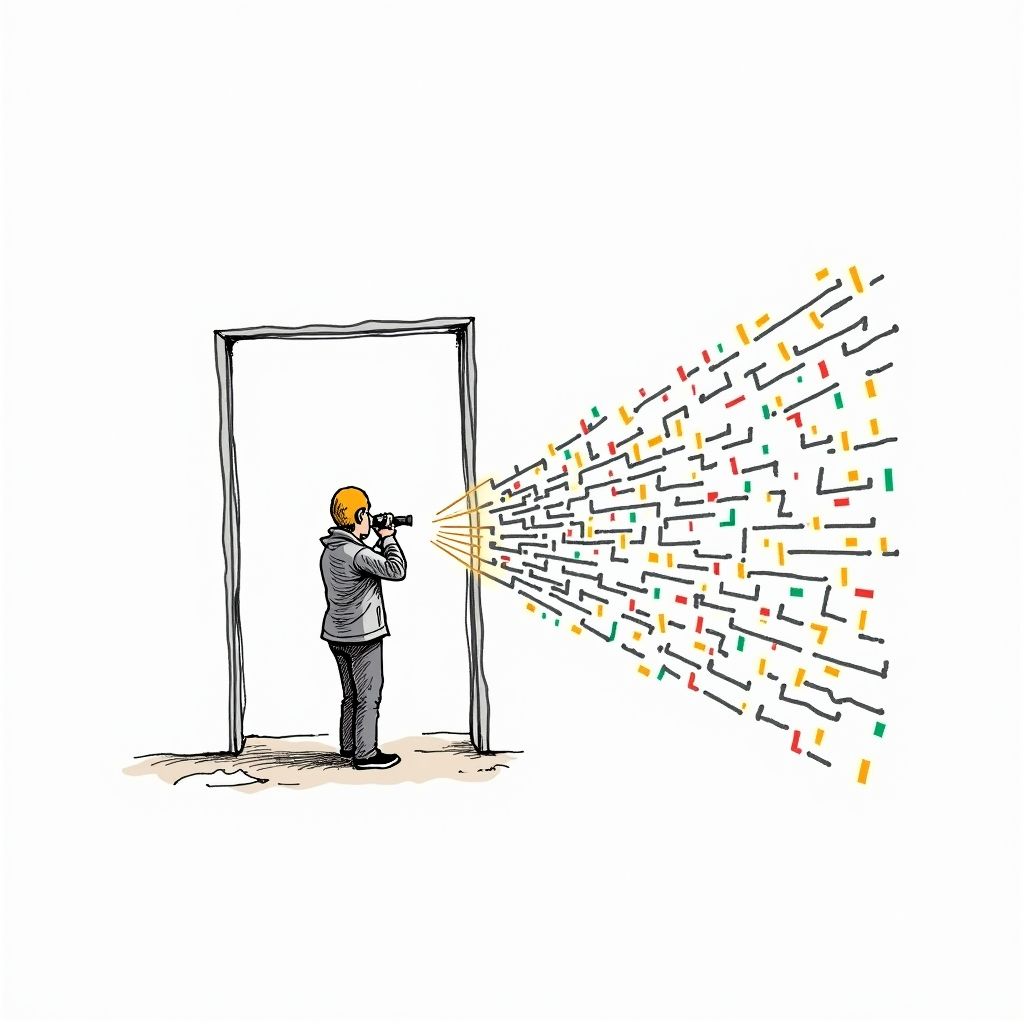
On March 8, 2026, a federal government alert distributed to law enforcement agencies revealed that United States intelligence intercepted encrypted communications likely originating from Iran [2][3]. The transmission, subjected to preliminary signals analysis, was broadcast across multiple countries shortly after the February 28 death of Iranian Supreme Leader Ayatollah Ali Khamenei in a joint U.S.-Israeli strike [2][3]. Officials assess that the message could serve as an “operational trigger” designed to activate prepositioned sleeper assets operating internationally [2][3].
Heightened Domestic Security and Investigative Action
The intelligence intercept has validated immediate concerns among counterterrorism experts regarding retaliatory strikes on Western soil [2]. Former FBI Assistant Director Chris Swecker emphasized the severity of the current climate, stating that the likelihood of violent actions by Hezbollah or Hamas cells within the United States is currently at its peak [3]. In response to the escalating war, FBI Director Kash Patel confirmed that intelligence agents are maintaining a continuous, 24/7 operational tempo to disrupt potential domestic threats [3].
Strategic Implications for Global Markets
For multinational corporations and global supply chain managers, the activation of covert physical assets introduces a volatile new variable into risk models [GPT]. The shift from conventional cyber warfare to the potential mobilization of localized, violent actors requires immediate security reassessments for critical infrastructure and corporate assets [GPT]. As geopolitical stability continues to fracture, executives must navigate a landscape where international conflicts can instantaneously trigger localized disruptions, further straining global economic resilience [GPT].