Global Markets Brace for Trump’s Davos Agenda and Critical US Inflation Reports
New York, Sunday, 18 January 2026.
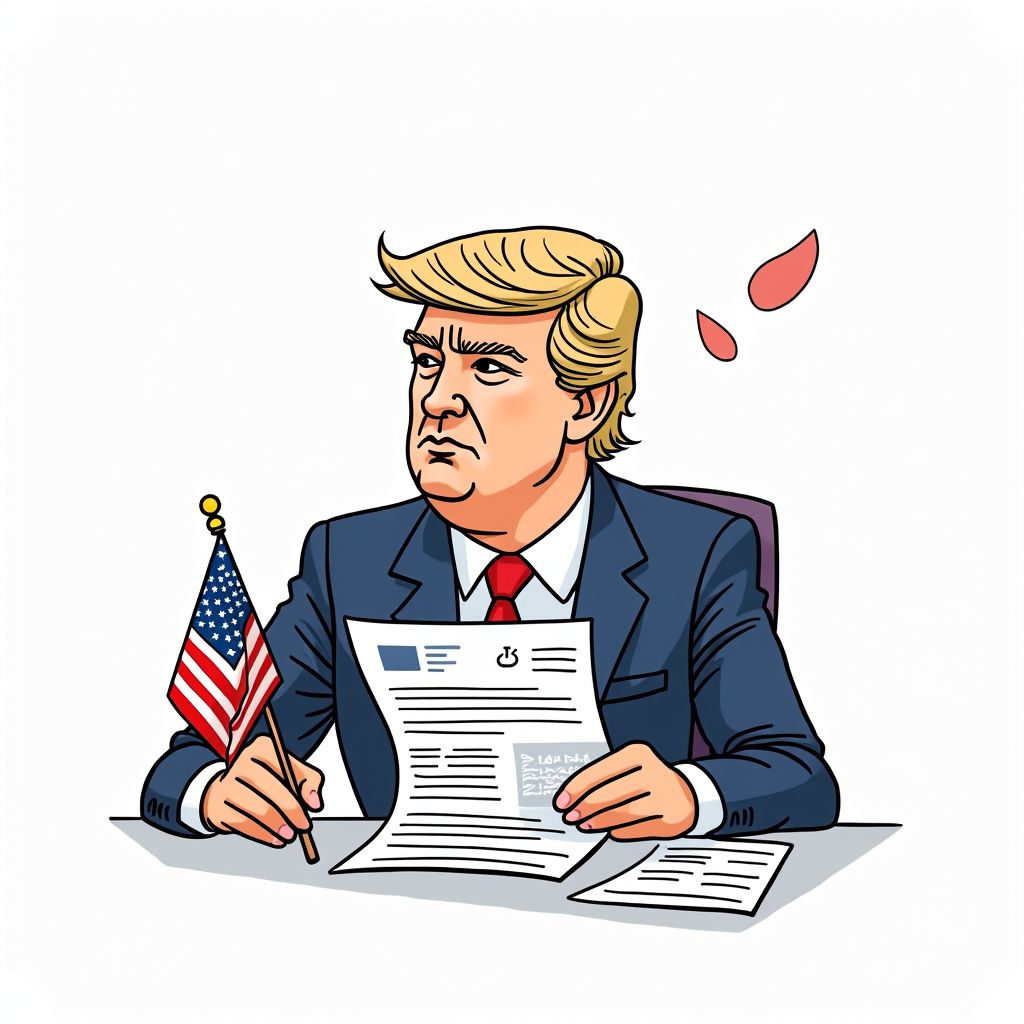
As the World Economic Forum begins, President Trump leads the largest-ever U.S. delegation to Davos, setting the stage for potential geopolitical friction over trade and Fed independence. Investors face a pivotal trading week balancing this rhetoric against Thursday’s crucial PCE inflation data and upcoming earnings from tech giants like Netflix and Intel.
Tensions Rise as Davos Convenes
The 56th Annual Meeting of the World Economic Forum (WEF) commences in Davos on Monday, January 19, against a backdrop of heightened geopolitical friction [1][8]. For the first time, the United States will establish a “USA House” on the Davos Promenade to host dignitaries, signaling a robust American presence [7]. President Trump is leading the largest-ever U.S. delegation to the event, which includes Treasury Secretary Scott Bessent and Commerce Secretary Howard Lutnick [2][5]. While the WEF has designated this year’s theme as “The Spirit of Dialogue,” the atmosphere is already strained by the administration’s aggressive trade rhetoric [2][3]. On Saturday, January 17, President Trump threatened to impose tariffs on allies, specifically the United Kingdom, should they refuse to back his plan to annex Greenland [2]. These threats precipitated emergency talks among EU ambassadors on Sunday, January 18, underscoring the “geo-economic confrontation” that WEF participants have identified as the top global risk for the coming two years [2].
Economic Agenda and Domestic Policy
President Trump is scheduled to address the forum on Wednesday, January 21, where he is expected to outline significant domestic economic reforms [1]. National Economic Council Director Kevin Hassett indicated that the President will announce a measure allowing Americans to utilize 401(k) funds for home down payments, a move aimed at reshaping the housing market [4]. This speech will likely contrast sharply with the perspectives of other global leaders; European Commission President Ursula von der Leyen and French President Emmanuel Macron are slated to speak earlier in the week on Tuesday, January 20 [3]. Adding to the domestic political counter-programming, California Governor Gavin Newsom plans to attend as a “counterweight” to the President, with a speech scheduled for Thursday, January 22, intending to critique the administration’s economic stewardship [6].
Monetary Policy and Federal Reserve Independence
Beyond the spectacle in Switzerland, investors are bracing for a pivotal week in U.S. monetary policy. On Thursday, January 22, the delayed Personal Consumption Expenditures (PCE) price index—the Federal Reserve’s preferred inflation gauge—will be released for both October and November [1]. This data follows a Consumer Price Index report from the previous week that signaled cooling inflation, raising the stakes for the Fed’s interest rate trajectory [1]. However, the central bank’s ability to set policy remains under siege. The Supreme Court is set to hear oral arguments on Wednesday, January 21, regarding Federal Reserve Governor Lisa Cook’s challenge to President Trump’s efforts to remove her from office [1]. This legal battle coincides with reports of a Department of Justice criminal probe into Chair Jerome Powell, a situation former ECB President Jean-Claude Trichet has described as “extremely grave” [3]. In a show of solidarity, global central bankers, including Christine Lagarde and Andrew Bailey, published a joint letter on January 13 defending the Fed’s independence [2][3].
Earnings Season and Sector Watch
Equity markets, which are closed on Monday, January 19 for Martin Luther King Jr. Day, will face a wave of corporate earnings upon reopening [1]. The technology sector is particularly focused on Netflix, which reports earnings on Tuesday, January 20 [1]. Intel is also set to report this week, with its stock recently surging due to optimism surrounding its new AI PC chip and government investment [1]. The influence of artificial intelligence remains a dominant theme both on Wall Street and in Davos, where corporate titans like Nvidia’s Jensen Huang and Microsoft’s Satya Nadella are in attendance [2][4]. As these financial and political narratives converge, market volatility may increase, driven by the interplay between corporate performance and the administration’s unpredictable economic statecraft.
Sources
- www.investopedia.com
- www.theguardian.com
- www.cnbc.com
- www.morningbrew.com
- www.nytimes.com
- www.politico.com
- www.youtube.com
- www.economist.com