MLBPA Executive Director Tony Clark to Resign Amid Federal Inquiry and Looming Labor Deadline
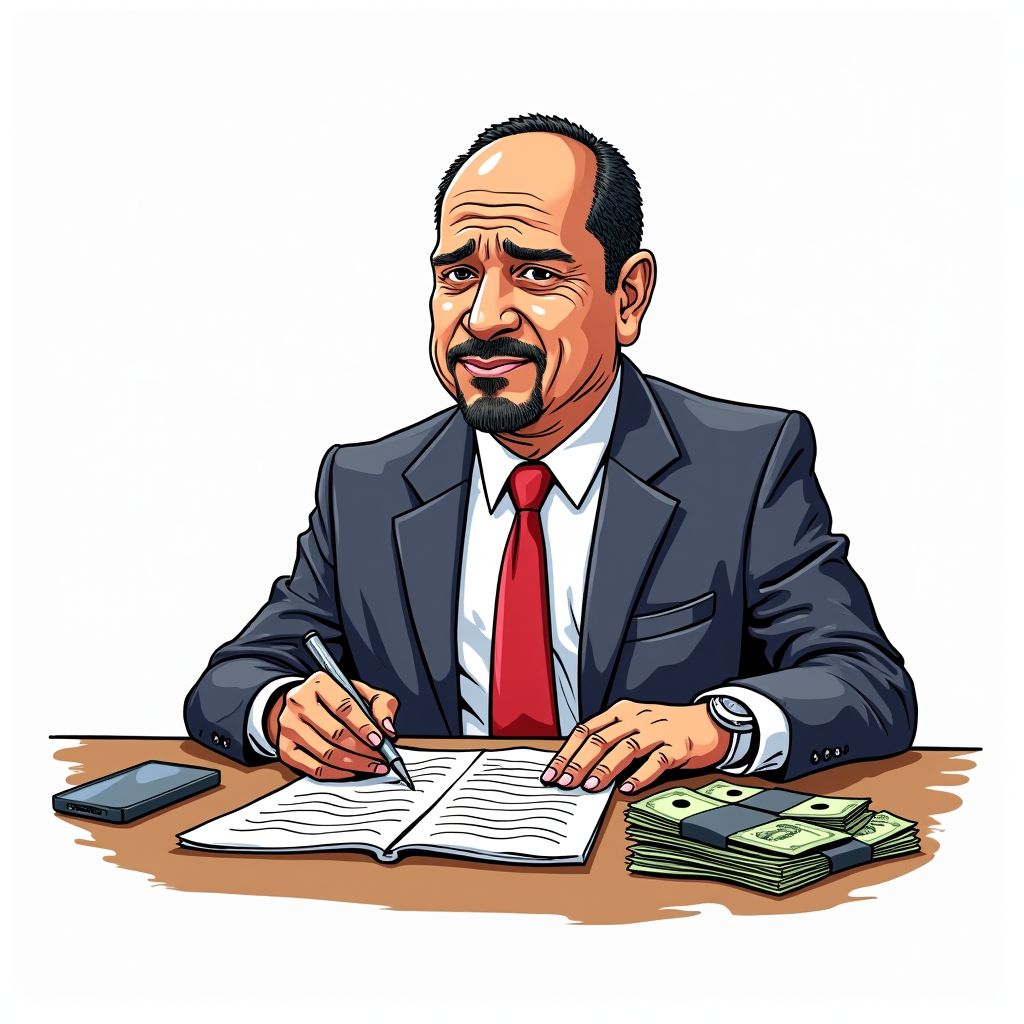
New York, Tuesday, 17 February 2026.
Facing a federal investigation into financial conduct, Clark is stepping down, leaving the players’ union leaderless just months before critical collective bargaining negotiations begin.
Sudden Departure Shakes Baseball Landscape
Tony Clark, the first former player to serve as executive director of the Major League Baseball Players Association (MLBPA), is resigning from his post this Tuesday, February 17, 2026 [1][3]. The 53-year-old’s departure ends a tenure that began in 2013 and arrives with immediate operational consequences; a planned tour of spring training facilities was halted this morning, with the initial meeting at the Cleveland Guardians’ camp abruptly canceled [1][2]. Clark, who played 15 seasons in the majors before joining the union staff in 2010, oversaw negotiations for the 2016 and 2022 labor deals, the latter of which followed a 99-day lockout [2][3]. His resignation removes the union’s primary figurehead just over nine months before the current collective bargaining agreement (CBA) is set to expire on December 1 [3].
Federal Scrutiny and Financial Allegations
The catalyst for this leadership change appears to be intensifying legal pressure. Clark’s resignation comes amidst an investigation by the Eastern District of New York into alleged financial improprieties regarding the use of union funds [2][3]. Specifically, federal authorities are probing whether officials used licensing money or equity to improperly enrich themselves [1]. Allegations include Clark purportedly taking equity in OneTeam Partners—a joint venture between the MLBPA and the NFL Players Association—and failing to adequately disclose the resources dedicated to Players Way, a youth baseball initiative owned by the union [3]. Marcus Semien, a member of the MLBPA executive subcommittee and second baseman for the New York Mets, stated on Tuesday that he believes the resignation is directly related to this inquiry into licensing money usage [1][3].
Leadership Uncertainty at a Critical Juncture
Clark’s exit introduces significant instability regarding who will lead the players through the upcoming economic negotiations. Deputy Executive Director Bruce Meyer, who served as the lead negotiator during the 2021-22 labor talks, is the presumptive candidate to step in, yet his standing with the membership is complicated [1][2]. Meyer faced an internal revolt as recently as 2024, when a group of players reportedly pushed for his firing in favor of Harry Marino, a lawyer instrumental in unionizing minor league players [1]. Semien indicated Tuesday that the executive subcommittee has not yet convened to address the vacancy, leaving it unclear whether Meyer will retain his role as the chief negotiator or if a new director will be appointed before talks begin [3].
The Looming Economic Showdown
The union’s internal turmoil coincides with preparations for what industry analysts expect to be a severe labor conflict. Management is reportedly preparing to aggressively propose a salary cap during the next round of bargaining, a mechanism that could lead to the first cancellation of regular-season games since 1985 if a work stoppage occurs [2]. Clark had historically maintained a strict anti-cap stance, a position Meyer has also supported [3]. However, with owners digging in on cost-containment measures and the players’ leadership structure currently in flux, the path toward a new agreement for the 2027 season has become increasingly volatile [1][3].