Federal Reserve Criminal Inquiry Threatens to Halt 2026 Interest Rate Cuts
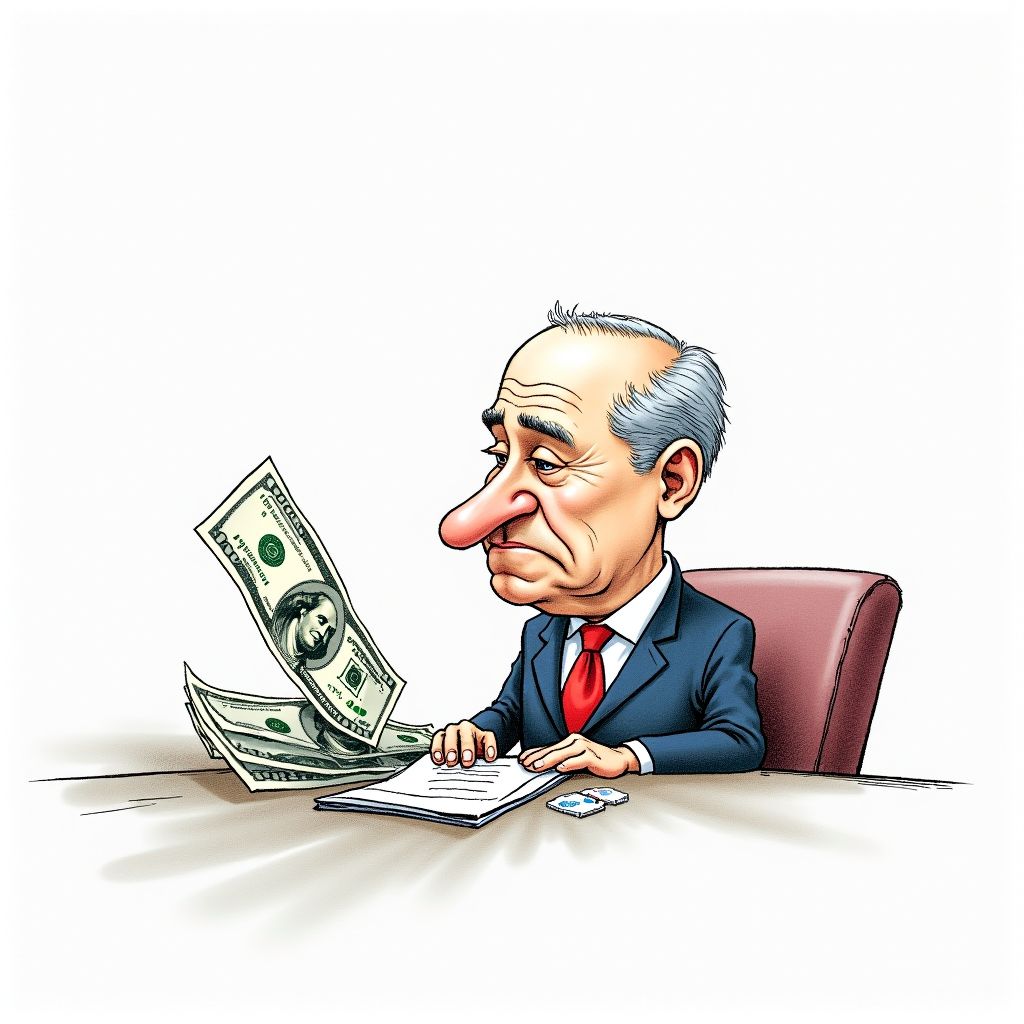
Washington, Monday, 12 January 2026.
Despite administration pressure for cheaper money, the DOJ’s criminal probe into Chair Powell is expected to freeze rate cuts throughout 2026, directly contradicting the President’s economic goals.
Escalation to Criminal Subpoenas
This development marks a severe escalation in the conflict detailed in our previous report, “Criminal Investigation Opened Into Fed Chair Powell Over Renovation Testimony“. While the initial inquiry centered on renovation costs, the situation intensified rapidly over the weekend. On Friday, the Department of Justice served grand jury subpoenas to the Federal Reserve, threatening a criminal indictment related to Chair Jerome Powell’s June 2025 testimony before the Senate Banking Committee [1][8]. Powell confirmed the existence of the criminal investigation in a statement released Sunday night, January 11, characterizing the probe as a consequence of the central bank’s refusal to align interest rate decisions with the President’s preferences [3][4]. The move has transformed a dispute over construction management into a constitutional crisis regarding monetary independence.
Rate Cuts in Jeopardy
The immediate economic casualty of this legal warfare appears to be the trajectory of interest rates for 2026. While the Trump administration has aggressively campaigned for lower borrowing costs, analysts suggest the criminal probe will force the Federal Reserve to freeze policy to demonstrate its autonomy. JPMorgan analysts indicated on Monday, January 13, that they now expect the Fed to keep rates on hold throughout the entire year [1]. This sentiment is echoed by UBS analysts, who warn that concerns regarding market perceptions of institutional independence could severely dampen the central bank’s appetite for rate cuts [1]. Consequently, the administration’s legal pressure may paradoxically lock in higher rates for longer, as the Fed seeks to avoid any appearance of capitulating to political intimidation [6].
Market Volatility and “Maduro” Comparisons
Financial markets reacted negatively to the news on Monday, January 12, with the U.S. dollar falling in value [1]. Futures on the S&P 500, Dow Jones Industrial Average, and Nasdaq also moved lower as investors grappled with the uncertainty surrounding the central bank’s leadership [6]. The aggressive nature of the probe has drawn sharp analogies from market strategists; Steve Englander, head of global G10 FX research at Standard Chartered, likened the administration’s tactics to the “Maduro option,” suggesting an attempt to intimidate Powell into retiring or to force his removal [6]. This reference to authoritarian strong-arming has fueled investor anxiety, prompting calls from strategists at Barclays Private Bank for investors to diversify away from U.S. assets [6].
Political Backlash and Senate Blockade
Despite President Trump’s denial of any involvement in the Justice Department’s decision to issue subpoenas [7], the political fallout has been swift and bipartisan. In a significant legislative countermove, Senators Thom Tillis (R-N.C.) and Elizabeth Warren (D-Mass.) announced on Monday that the Senate Banking Committee should block votes on any Trump administration nominees to the Federal Reserve [1]. Senator Tillis explicitly stated he would oppose the confirmation of any nominee until the legal matter is resolved, arguing that the independence of the Justice Department is now in question [2]. This legislative blockade threatens to leave key regulatory seats vacant, further complicating the Fed’s operational capacity during a period of economic uncertainty.
Institutional Defense
The Federal Reserve’s defense has garnered support from the highest echelons of economic history. On Monday, former top economic officials, including every living former Fed chair, issued a joint statement condemning the criminal inquiry [1][7]. Janet Yellen, a former chair, stated that the odds of Powell lying were “zero,” characterizing the probe as a political maneuver to seize his seat [5]. Powell himself remains defiant, asserting that the threat of charges is a direct result of the Fed prioritizing public service over political pressure [1]. With the next rate decision scheduled for January 28, 2026, the central bank faces the unprecedented challenge of setting monetary policy while under the shadow of a grand jury investigation [1].
Sources
- www.nbcnews.com
- www.politico.com
- abcnews.go.com
- thehill.com
- www.bbc.com
- www.cnbc.com
- www.nbcnews.com
- www.barrons.com