Rising Living Costs Threaten Majority Ahead of Midterm Elections
Washington, Tuesday, 27 October 2026.
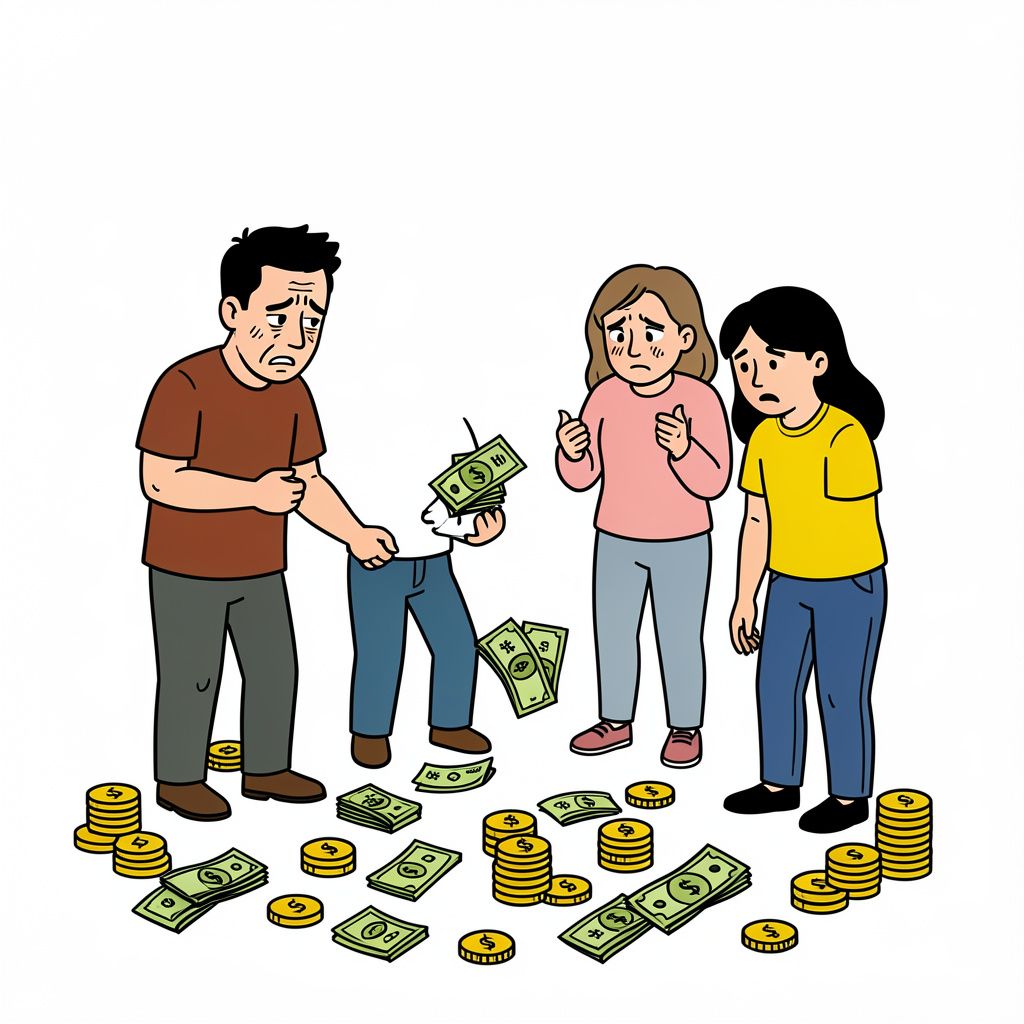
With inflation outpacing wage gains for six consecutive months, six in ten battleground families cannot afford basic living costs, significantly threatening the congressional majority in upcoming midterm elections.
Cost of Living Crisis Dominates Voter Concerns Ahead of November 2026 Midterms
As the United States approaches the November 2026 midterm elections, a confluence of economic pressures is reshaping voter priorities and political strategies. Inflation has outpaced wage gains for six consecutive months, with gasoline prices in toss-up states costing the average person 400 + (pre-war prices) more in 2026 alone [2]. This erosion of purchasing power has elevated the cost of living to the forefront of voter concerns, with six in ten families in battleground districts unable to afford basic living costs, according to a Washington Post analysis conducted on 27 October 2026 [8]. The political stakes are particularly acute for Republicans, who are defending approximately three-quarters of the 46 frontline districts deemed critical to congressional control by the Cook Political Report [8].
Democratic Advantage Narrows as Economic Anxiety Drives Voter Behavior
Recent polling data reveals a tightening race despite Democrats’ traditional midterm advantages. A NPR/PBS News/Marist poll conducted from 19 to 20 October 2026 found Democrats maintaining a generic congressional ballot advantage of 10 points among registered voters and 8 points among likely voters [1]. However, voter enthusiasm gaps and economic pessimism signal potential challenges ahead. Among likely voters, President Trump’s approval rating stands at 40% approve to 59% disapprove, with 44% viewing their vote as a referendum against his administration rather than support for the opposition [1]. Economic hardship is a widespread concern, with one-third of registered voters reporting financial difficulties in the past year and 40% stating their personal finances have worsened due to high food and gas prices [1].
Key Demographics Shift Away from Republicans Amid Unmet Economic Promises
The 2024 presidential election saw Donald Trump secure a historic second term by targeting younger voters, lower-income Americans, and Latinos with promises of economic relief [2]. However, two years later, many of these supporters express disappointment. Mike Webber, a 26-year-old church maintenance worker from Michigan, reflected this sentiment: ‘Going into the 2024 election, I was voting for Trump hoping that he’d kind of get us back to where we were in 2016. I don’t feel like he has, and I don’t feel like he is planning to’ [2]. This shift is evident in key battleground states, where Latino voters in Texas—who showed a 27-point swing toward Trump in 2024—are now heavily backing Democrat James Talarico over Republican Attorney General Ken Paxton in the Senate race [2]. In Michigan, 71% of voters aged 18–34 believe the national economy worsened over the past year, compounded by high mortgage rates of approximately 7.5% and elevated student debt levels [2].
Divided Government Looms as Voters Question Both Parties’ Economic Competence
While Democrats hold a structural advantage in the generic congressional ballot, voter sentiment reflects deep dissatisfaction with both major parties. A CBS News/YouGov survey conducted from 21 to 23 October 2026 estimates Democrats are on pace for 229 House seats, though economic pessimism persists [3]. More than seven in ten Democratic voters cite opposition to President Trump as their primary motivation, while only one-third believe either party has a viable plan to improve their financial situation [3]. The survey also highlights partisan divides in perceptions of government competence, with Republicans far more likely to believe in the prevalence of illegal voting by non-citizens, and Democrats expressing greater confidence in the integrity of their votes [3]. The ACLU’s research underscores broader concerns about government accountability, with nearly half of voters across party lines viewing corruption as a major barrier to addressing the cost-of-living crisis [5].
Sector-Specific Pressures Amplify Voter Discontent
Beyond headline inflation metrics, sector-specific pressures are exacerbating voter discontent. In Ohio, the state experienced the largest percentage decline in Obamacare enrollment in 2026 following health-insurance cuts, while healthcare costs have overtaken food, housing, and utilities as the top economic concern nationally [2]. The Washington Post analysis further reveals that in competitive House districts, the gap between wages and basic living costs has widened, leaving a majority of families financially strained [8]. Jason Smith, executive director of the Ohio Association of Community Action Agencies, described the precarious position of many households: ‘A family may be able to manage its rent, but then the electric bill goes up, groceries cost more or the car needs some repair. And when there’s very little margin in that household budget to begin with, it doesn’t take very much to create a crisis’ [2].
Market and Political Implications of a Potential Divided Congress
For business executives and market strategists, the prospect of a divided Congress following the November 2026 elections carries significant implications for fiscal policy, regulatory oversight, and corporate tax strategies heading into 2027. The NPR/PBS News/Marist poll’s findings suggest that while Democrats may secure a legislative majority, their mandate could be constrained by voter skepticism and economic headwinds [1]. In particular, sectors sensitive to tax policy, such as technology and healthcare, may face heightened regulatory scrutiny, while infrastructure and energy investments could be subject to prolonged congressional gridlock [GPT]. The combination of rising living costs, weak hiring trends, and voter disillusionment with both parties creates a volatile environment where policy outcomes may hinge on narrow margins and bipartisan negotiations.
Sources
- www.npr.org
- www.bloomberg.com
- www.cbsnews.com
- www.facebook.com
- www.aclu.org
- www.facebook.com
- www.washingtonpost.com
- www.facebook.com