Congressional Probe Targets TikTok and Oracle Over Algorithm Manipulation Risks
Washington, D.C., Saturday, 30 May 2026.
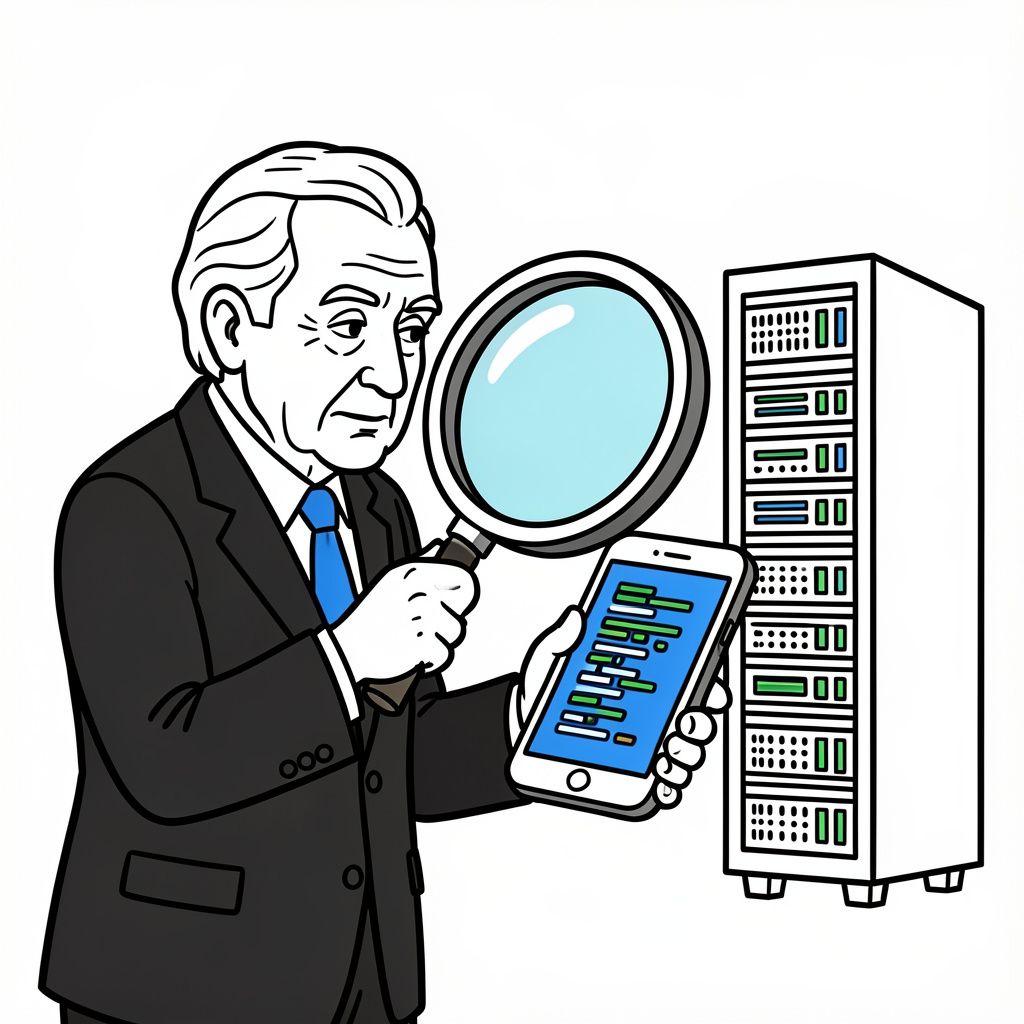
Senator Ed Markey is demanding TikTok and Oracle explain their data safeguards, questioning how they will effectively audit two billion lines of code to prevent foreign algorithm manipulation.
Unpacking the TikTok USDS Ownership Structure
On May 29, 2026, U.S. Democratic Senator Edward J. Markey issued formal oversight letters to TikTok USDS President Adam Presser and Oracle Chief Executive Officers Clay Magouyrk and Mike Sicilia [3]. The inquiry demands granular details on how these entities plan to secure the personal data of American users and shield the platform’s content recommendation algorithm from foreign manipulation [1][2]. This latest political pressure stems from the complex restructuring of TikTok’s U.S. operations. In January 2026, Chinese parent company ByteDance finalized a divestment agreement to avoid a nationwide ban mandated by the April 2024 Protecting Americans from Foreign Adversary Controlled Applications Act [1][3]. The resulting joint venture, TikTok USDS, is now owned 80.1 percent by American and global investors, with ByteDance retaining a 19.9 percent stake [1]. Despite President Donald Trump choosing not to enforce the ban by the January 2025 deadline, ByteDance agreed on January 23, 2026, to license its algorithm to the new U.S. entity, maintaining what Senator Markey describes as an ongoing operational relationship that violates the spirit of the 2024 legislation [1][3][4].
The Two-Billion-Line Security Conundrum
Central to the security apparatus of this divestment deal is Oracle, which serves as one of the venture’s three managing investors and its designated “Trusted Security Partner” [2][3]. Under the agreement, Oracle is tasked with hosting TikTok USDS’s primary cloud environment, storing U.S. user data, and assisting in the review of the platform’s underlying source code [3][4]. However, the sheer scale of this technical endeavor presents a formidable challenge. The algorithms governing content recommendations and moderation on TikTok consist of an estimated two billion lines of code [3]. Senator Markey has highlighted the inherent difficulties in auditing a system of this magnitude, specifically questioning how TikTok USDS and Oracle will distinguish between legitimate commercial content curation tools and potentially malicious code designed for foreign influence [3].
Balancing Security with Operational Viability
Conducting a comprehensive review of this massive codebase necessitates a severe tradeoff between security and operational speed [3]. A meticulous audit designed to detect algorithmic manipulation inherently slows down the timeline for releasing new updates and security patches to the public [3]. This delay poses a significant business risk for a platform whose user base, according to Reuters, has grown to over 200 million Americans [1]—representing an increase of approximately 17.647 percent from the 170 million users cited during the initial 2024 legislative debates [3][4]. For technology investors, this highlights the immense friction that occurs when national security mandates intersect with consumer tech operations [GPT].
Defining ‘Retraining’ and Demanding Accountability
Beyond source code review, the joint venture has pledged to retrain, test, and update TikTok’s content recommendation algorithm exclusively on U.S. user data secured within Oracle’s domestic cloud infrastructure [2][4]. Yet, lawmakers argue that the technical parameters of this “retraining” remain dangerously vague. In his May 28 and May 29 correspondence, Senator Markey pressed both companies to clarify whether this process will encompass the entire core recommendation system or merely fragments of it, and whether the algorithm will be trained solely on profile metadata or encompass deep user behavioral data [3]. The push for clarity is compounded by what legislators perceive as a transparency deficit. Senator Markey criticized Oracle for refusing previous requests from congressional staff for briefings regarding its operational role in the deal [3]. Now, Oracle faces a firm deadline: the company has been instructed to provide detailed written responses outlining its contractual terms, oversight responsibilities, and specific timelines for deploying the retrained models by June 18, 2026 [4] [alert! ‘It remains uncertain if Oracle will comply with this deadline, as the company has historically refused congressional briefings on the matter’]. For market observers, this unfolding regulatory drama underscores the intense compliance burdens that accompany foreign-linked technology operations in the United States [GPT].