American Academic Freed by Taliban After Year-Long Detention Without Charges
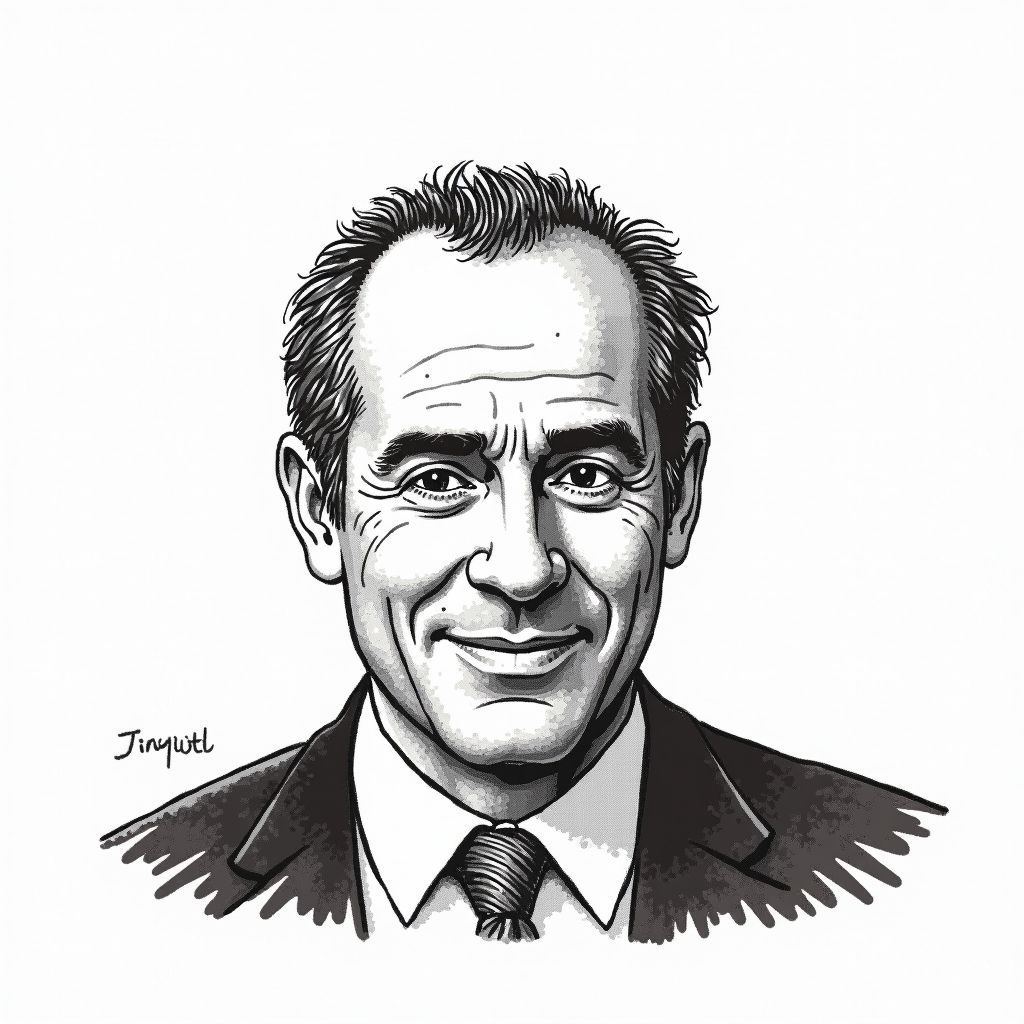
Kabul, Wednesday, 25 March 2026.
Following a 14-month uncharged detention in near-solitary confinement, American linguist Dennis Coyle has returned home from Afghanistan. Notably, U.S. officials report securing his freedom without any diplomatic concessions.
The Anatomy of a Release: Diplomacy and Detention
Dennis Walter Coyle, a 64-year-old linguistics researcher from Pueblo, Colorado, was detained by Afghan authorities in January 2025 [1][3][5]. For over a year, he was held by the Taliban General Directorate of Intelligence in near-solitary confinement [5]. The Foley Foundation reported that his living conditions were severe, noting he lacked access to adequate medical care and required explicit permission simply to use the restroom [2]. Despite being held for 14 months, formal charges were never filed against him [1][4][5].
Navigating Back-Channel Negotiations
Securing Coyle’s freedom required intricate multilateral coordination, underscoring the complexities of engaging with an unrecognized government [GPT]. Because the United States maintains no official diplomatic presence in Afghanistan, regional intermediaries—specifically Qatar and the United Arab Emirates (UAE)—played pivotal roles in mediating the release [3][5]. The breakthrough followed a critical meeting in Kabul involving Muttaqi, former U.S. Special Representative for Afghanistan Zalmay Khalilzad, UAE Ambassador Saif Mohammed al-Ketbi, and a member of Coyle’s family [2][3].
Hostage Diplomacy and Regional Economic Risks
The diplomatic backdrop to Coyle’s release has been increasingly tense, carrying significant implications for international relations and regional stability [GPT]. Earlier this month, on March 9, 2026, Secretary Rubio officially designated the Taliban government as a “state sponsor of wrongful detention” [1][2][3]. This aggressive diplomatic labeling places Afghanistan alongside nations like Iran, which are frequently accused of detaining American citizens to extract policy concessions [3]. Coyle’s case had already been elevated in June 2025 when the U.S. government designated him as wrongfully detained under the Robert Levinson Hostage Recovery and Hostage-Taking Accountability Act [5].