New Federal Medicaid Rules Require the Seriously Ill to Prove They Cannot Work
Washington, Thursday, 4 June 2026.
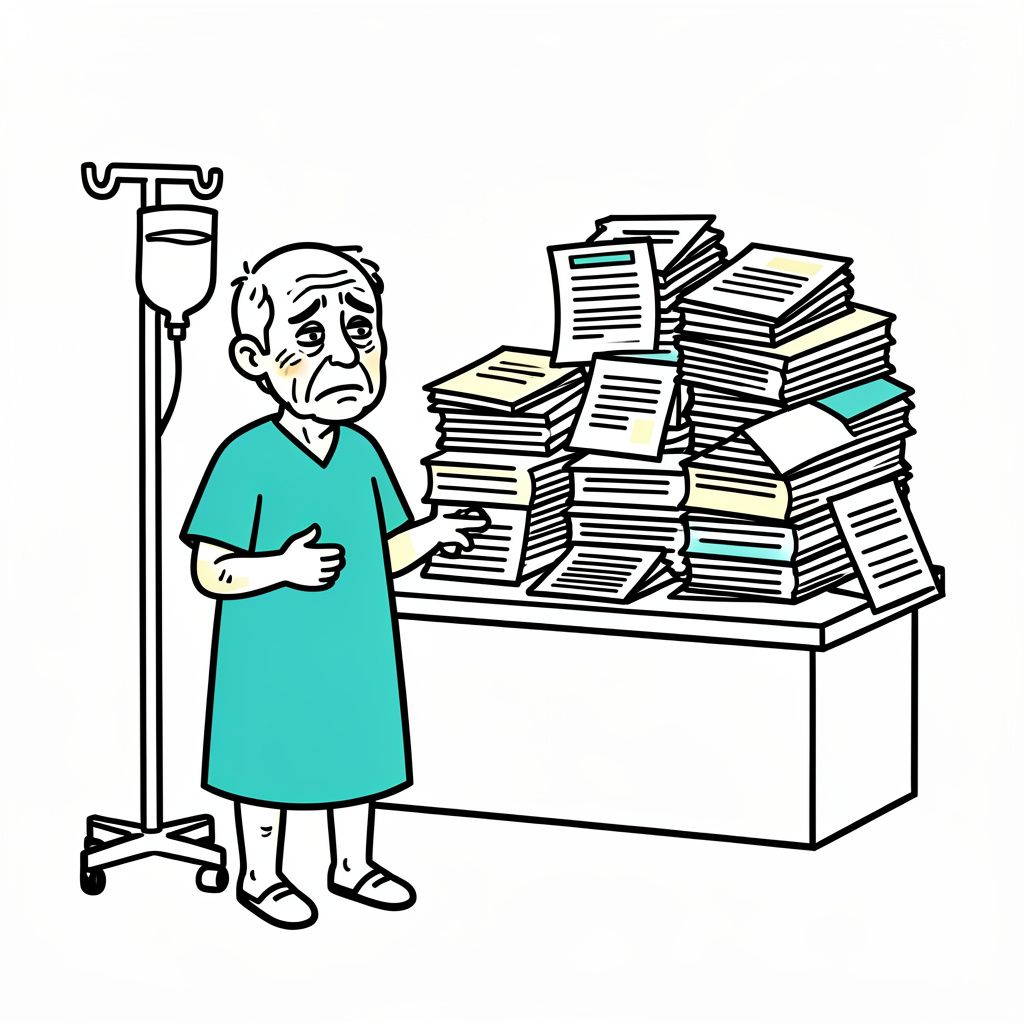
Starting June 2026, new federal rules mandate 80 monthly work hours for Medicaid recipients. Strikingly, even patients with cancer or HIV must formally prove their inability to work.
The Mechanics of the Mandate
On June 1, 2026, the Centers for Medicare & Medicaid Services (CMS) under the Trump administration issued an Interim Final Rule (IFC) [3][4]. Published in the Federal Register on June 2, 2026, the 400-page directive implements the community engagement requirements established by the Working Families Tax Cut Act of 2025 (WFTC), signed into law on July 4, 2025 [1][6]. The policy targets non-pregnant, non-Medicare adults aged 19 to 64 [4][6]. In the 43 states and the District of Columbia that expanded Medicaid coverage to this demographic, enrollees must now complete a minimum of 80 hours per month of qualifying activities [4][6].
The “Medical Frailty” Debate and Administrative Hurdles
While the federal framework outlines exemptions for individuals who are pregnant, postpartum, or primary caregivers of children under 14, the rules surrounding chronic illnesses have sparked significant concern among healthcare advocates [4]. Under the newly published regulations, an individual diagnosed with a serious illness, such as early-stage cancer or HIV, does not receive an automatic exemption [1]. Instead, they must formally prove that their condition “actively interferes” with their capacity to work [1]. Adrianna McIntyre, an assistant professor of health policy at the Harvard T.H. Chan School of Public Health, notes that patients undergoing active treatments like radiation are still subject to the mandate if they retain the technical capacity to work [1].
Economic Projections vs. Healthcare Realities
The Trump administration frames the policy as a mechanism for economic mobility [GPT]. Presenting the rule at the White House on June 2, 2026, Dr. Oz argued that able-bodied Medicaid recipients spend an average of 6.1 hours a day “watching television, or just hanging around,” describing the work requirements as a “path to prosperity” designed by Congress to reintegrate individuals into the workforce [1]. Economic modeling from the Department of Health and Human Services supports this perspective [2].
Implementation Timeline and State Responsibilities
States face a compressed timeline to overhaul their eligibility and enrollment systems [GPT]. Under the One Big Beautiful Bill Act of 2025 (OBBBA) and the subsequent IFC, affected states must implement the Medicaid work requirements no later than January 1, 2027 [alert! ‘NPR source mentions both Jan 1, 2028 and Jan 1, 2027 deadlines; Jan 1, 2027 is used here as it is consistently cited across CMS, AMA, and Federal Register documents’] [1][3][4][5][6]. To facilitate this transition, CMS has allocated $200 million in Government Efficiency Grants, supplemented by more than $600 million in committed private-sector technology support to automate data integration and real-time verification [3].