Why Las Vegas Visitors Are Skipping Traditional Shows and Casinos
Las Vegas, Monday, 31 August 2026.
Las Vegas faces shifting tourism trends as visitors prioritize major single events over traditional casino entertainment, causing notable midlevel show closures despite steady overall summer visitor numbers.
Shifting Entertainment Preferences
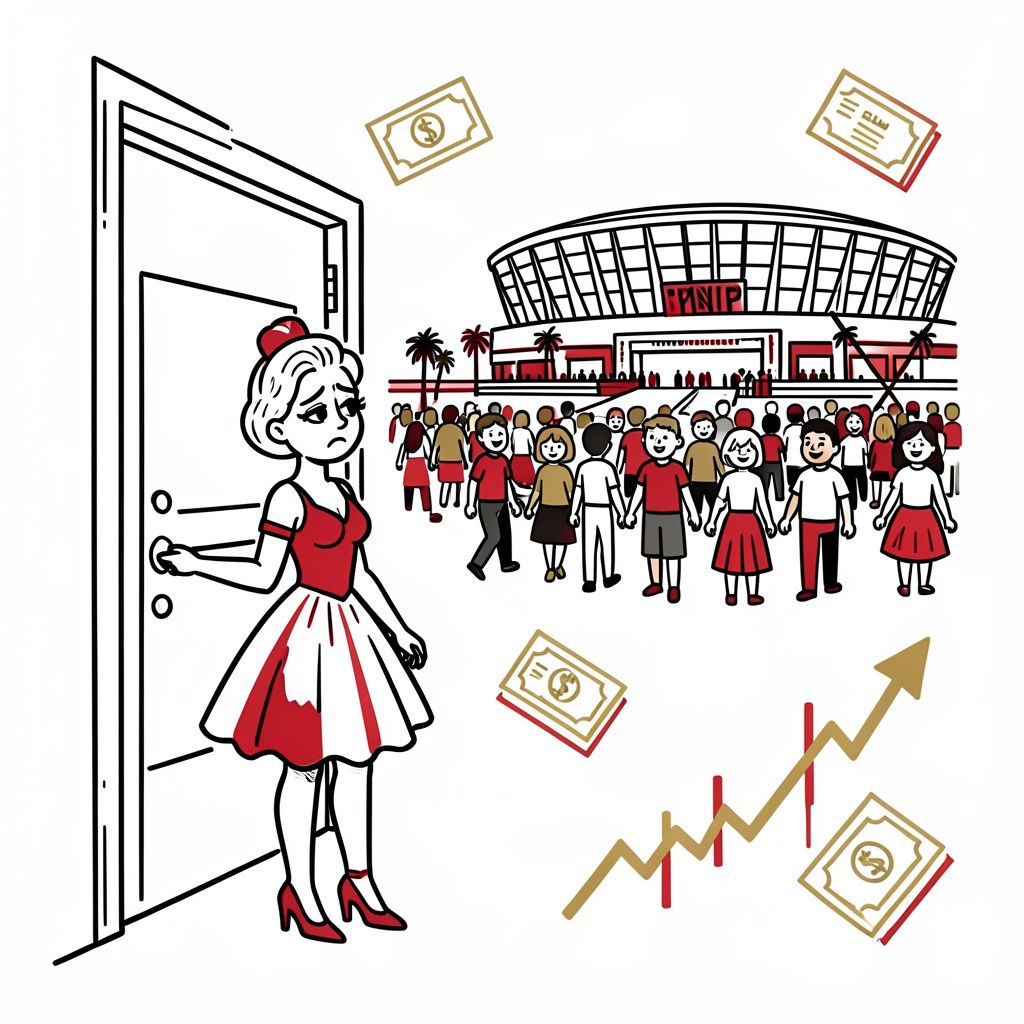
Las Vegas tourism leaders report a structural shift in visitor behavior as of late August 2026, with guests increasingly prioritizing specific events over general leisure stays [1]. Steve Hill, president and CEO of the Las Vegas Convention and Visitors Authority (LVCVA), confirmed that midlevel show ticket sales have remained at least 50% below seasonal averages since spring 2025 [1]. This trend contributed to the closure of productions such as “Mad Apple” at New York-New York and “Awakening” at Wynn Las Vegas [1]. Furthermore, Le Cirque at the Bellagio closed during the weekend of 2026-08-22 to 2026-08-23, reflecting a broader pattern where visitors book trips based on specific attractions like the Sphere or major concerts rather than traditional casino entertainment [1][3].
Diverging Revenue Streams
Despite the challenges in entertainment, overall visitor volume remains resilient, though convention attendance is fluctuating [2]. The LVCVA hosted approximately 3.2 million visitors in July 2026, representing a 2.7% increase from the previous year [2]. However, convention attendance totaled 262,700 in July, down 5.6% from the same period in 2025 [2]. Gaming revenue data reveals a stark contrast between property types, with the performance gap between the Strip and Downtown calculated as 12.2 percentage points [2]. While Las Vegas Strip gaming revenue rose 3.6% to $776,339,000, Downtown gaming revenue fell 8.6% to $68,468,000 during the same month [2].
Macroeconomic Headwinds
External geopolitical and economic factors are compounding operational difficulties for hospitality workers and operators alike [4]. Observers report a decline in foreign tourism, particularly from Canada, citing trade tensions and political sentiment as deterrents [4]. Service workers in Las Vegas have reported significant income losses, with some waitstaff noting a reduction in tips by approximately 75% compared to previous periods [4]. The Culinary Union, representing 60,000 workers, indicates that thousands of members face unemployment or reduced hours due to these shifting demand patterns [4].
The Digital Competitor
Traditional casinos are also competing against the rapid expansion of regulated online sports betting and prediction markets [5]. As of 30 August 2026, legal sports betting is available in 39 U.S. states, the District of Columbia, and Puerto Rico, providing consumers with accessible alternatives to physical casino floors [5]. Major operators such as BetMGM and FanDuel dominate the digital landscape, with FanDuel holding approximately 44% of the total U.S. sports betting market [5]. Prediction market platforms including Kalshi and Polymarket are also active in 2026, further diversifying the wagering ecosystem available to consumers [5].