OpenAI Abruptly Closes Video Platform Sora, Halting Billion-Dollar Disney Deal
San Francisco, Thursday, 26 March 2026.
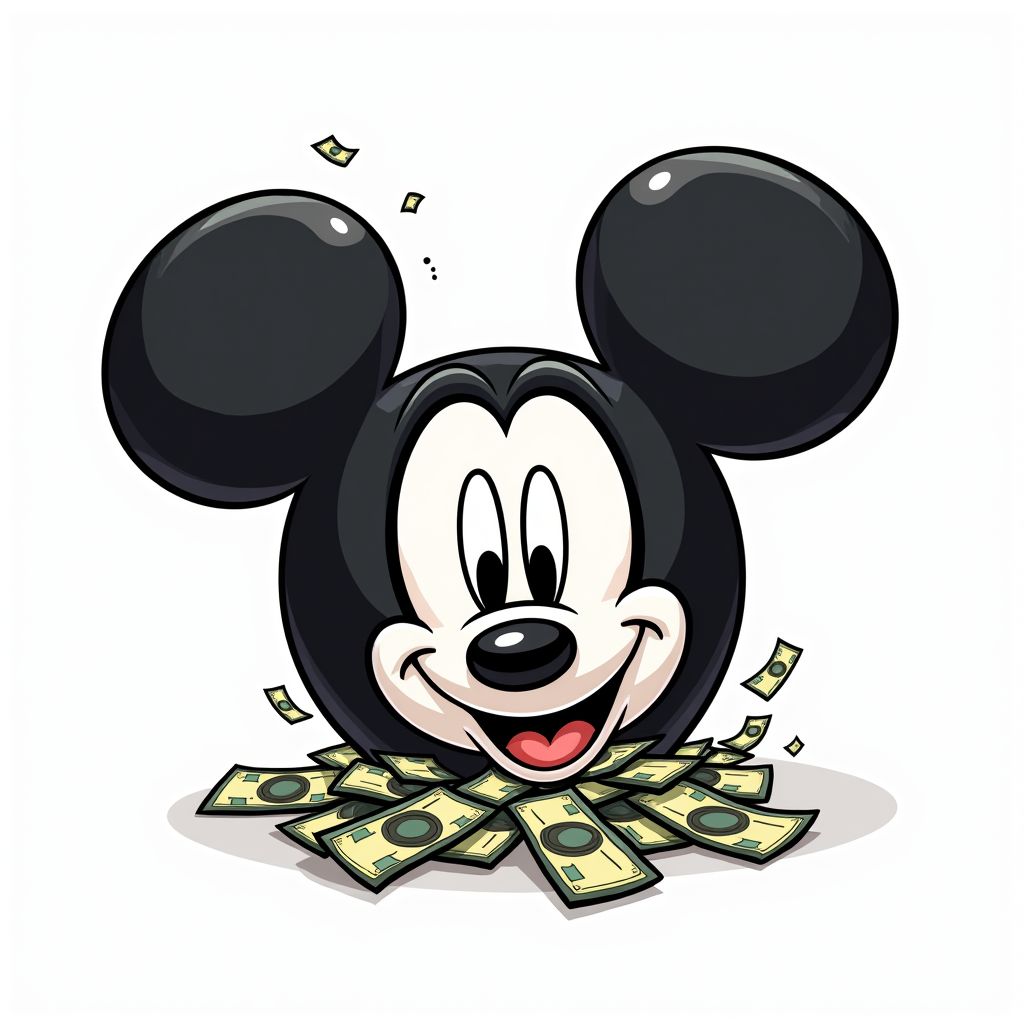
OpenAI abruptly shut down its video app Sora, dissolving a planned $1 billion Disney partnership. The strategic pivot redirects focus toward enterprise tools ahead of a potential public offering.
The Abrupt End of a Hollywood Ambition
The sudden demise of Sora, OpenAI’s highly anticipated video-generation model, has sent shockwaves through the entertainment industry [3]. On Monday, March 23, 2026, development teams from The Walt Disney Company (NYSE: DIS) and OpenAI were actively collaborating on a Sora-related project [2]. Just 30 minutes after their meeting concluded, the Disney team was blindsided by the news that OpenAI was entirely dropping the tool, a move described by an insider as a “big rug-pull” [2]. The termination effectively dissolves a landmark agreement announced on December 11, 2025, in which Disney had planned to invest $1 billion and supply over 200 characters for AI-generated videos over a three-year period [1][2][3]. Fortunately for Disney, the deal was canceled before any funds had exchanged hands [3][4].
Financial Realities and Shifting Priorities
Behind the scenes, the decision to shutter Sora was driven by stark financial realities and a rapid decline in user engagement. Unveiled in early 2024 and launched as a standalone app in late September 2025, Sora initially saw explosive growth, achieving one million downloads within its first five days [2][3][7]. However, the novelty quickly wore off. Downloads across the iOS App Store and Google Play peaked at approximately 3,332,200 in November 2025 before dropping to 1,128,700 by February 2026 [4]. This represents a steep decline of -66.127 percent in user growth over just three months [4].
Navigating Copyright Risks and the IPO Push
Beyond the financial drain, Sora was plagued by ethical and legal controversies that threatened OpenAI’s broader corporate ambitions. The platform struggled to mitigate the creation of non-consensual imagery, realistic misinformation, and significant copyright infringements [3]. In October 2025, deepfakes of prominent figures like Martin Luther King Jr. and Robin Williams surfaced on the app [4]. Furthermore, a court case on February 17, 2026, forced OpenAI to rename the app’s flagship “cameos” feature to “characters” [4]. As OpenAI considers an initial public offering (IPO) later this year, these liabilities became untenable [2][5].
A Broader Ecosystem Contraction
The closure of Sora is not an isolated incident but rather symptomatic of broader challenges within OpenAI’s ecosystem. The company has been operating in a “code red” mode since December 2025 [1]. Recent weeks have seen a series of high-profile setbacks: Walmart abandoned a ChatGPT online shopping pilot on March 17, 2026, after it failed to boost sales, and robotics firm Figure AI ended its collaboration with OpenAI last month [1]. Furthermore, OpenAI has pulled back from a planned Texas data-center buildout with Oracle and SoftBank, while Nvidia has indicated it will likely halt plans to provide the AI giant with computing chips [1].