Dutch Advisory Council Urges EU to Increase Tariffs on Cheap Chinese Imports
The Hague, Thursday, 27 August 2026.
On August 27, 2026, the Dutch Scientific Council for Government Policy warned that Chinese goods are priced 30% below European products due to heavy state subsidies. The council urges tough trade tariffs.
Advisory Council Calls for Trade Action
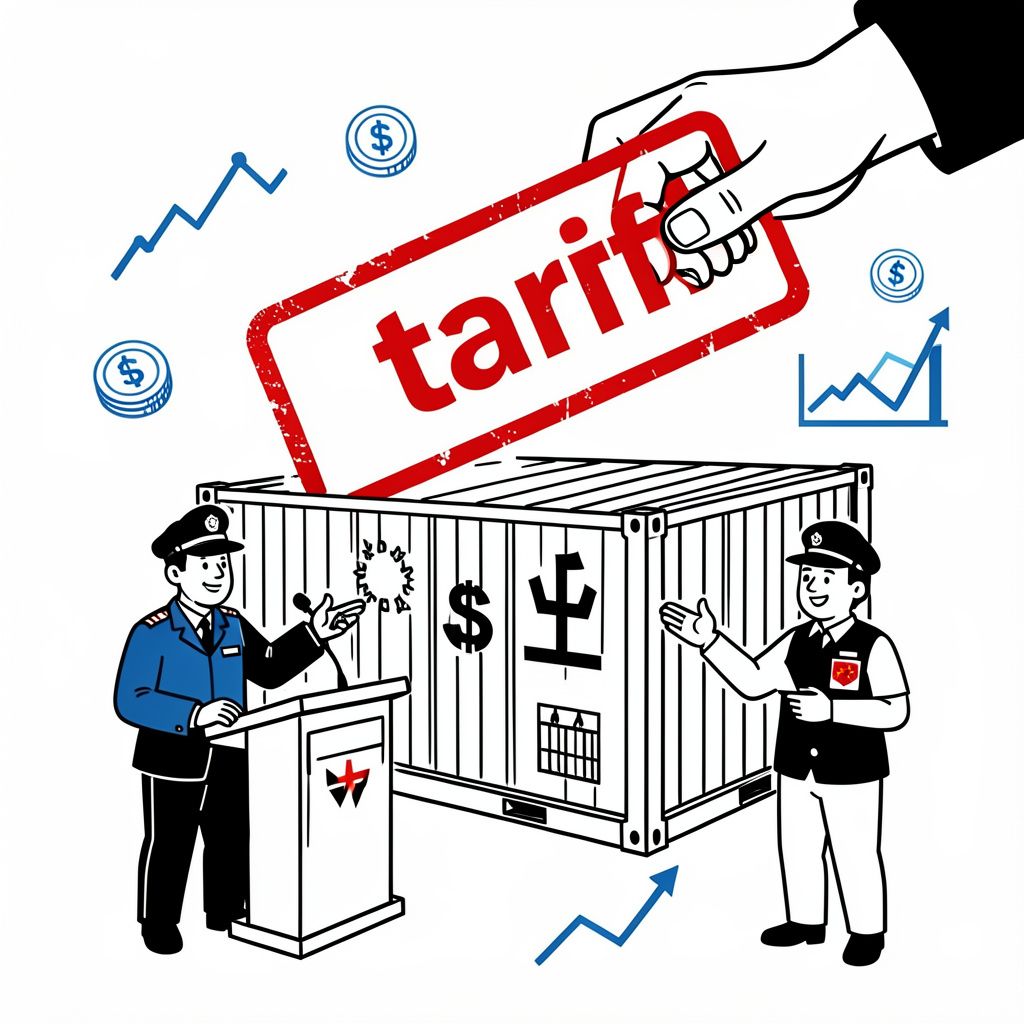
On Thursday, 27 August 2026, the Scientific Council for Government Policy (WRR) formally advised the Dutch government to seek stricter European Union tariffs on Chinese imports [1]. Chair Corien Prins warned that without addressing distorted trade practices, Europe risks undermining significant gains in data privacy, labor standards, and climate initiatives [1][2]. The council emphasizes that domestic innovation policy alone is insufficient to counter heavily subsidized Chinese competition [2]. This recommendation signals a shift toward a more protectionist trade policy aimed at safeguarding domestic industries [1].
Analyzing Price Distortions
The core issue identifies Chinese goods priced approximately 30 percent below European equivalents due to an economic strategy reliant on exports [1][3]. This disparity stems from low wages, suppressed currency values, and state subsidies that are six to eight times higher than European support [2][3]. Such conditions create a market environment where European companies cannot compete on price through product development alone [2]. The report notes that consistently weak domestic demand in China contributes to goods flooding the world market [1].
Economic and Strategic Risks
The European Union currently faces a trade deficit with China of 360 billion euros per year [3]. In the German auto industry alone, approximately 15,000 jobs are lost per month due to competition from Chinese manufacturers [3]. Dependency on Chinese batteries, magnets, and critical raw materials further exposes Europe to geopolitical leverage [2]. The WRR warns that economic power is increasingly used as a geopolitical means, turning trade relations into a risk [2].
Policy Recommendations and Timeline
If ongoing trade talks in Brussels do not yield results by October, the WRR suggests unorthodox measures including import tariffs and investment limits [2][3]. Eurocommissioner Maros Sefcovic expects trade discussions to lead to results by October 2026 [2]. The council argues Europe must prepare now to avoid hasty reactions later [2]. Additionally, the council suggests considering currency interventions to level the playing field if negotiations fail [3].