United States Secures Control Over 65 Billion Barrels of Venezuelan Oil Reserves
Washington, Saturday, 29 August 2026.
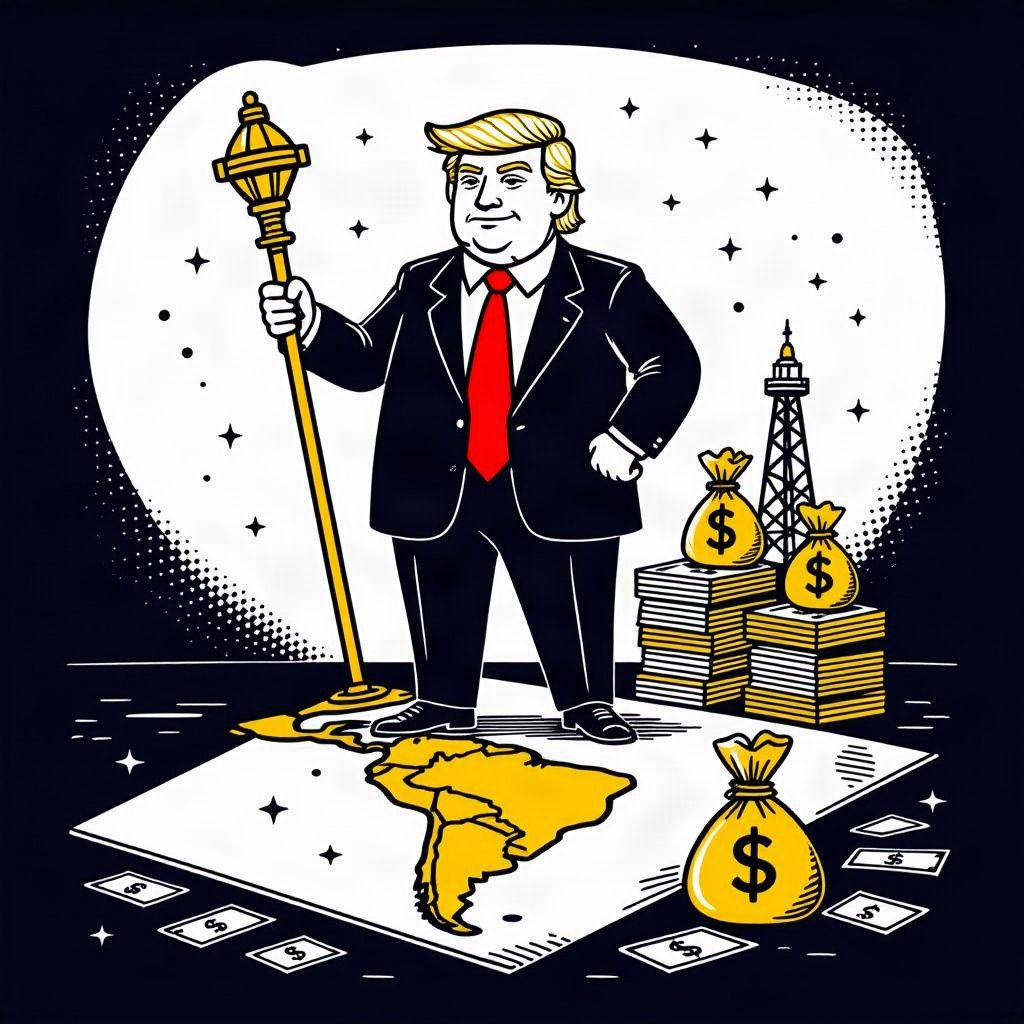
President Donald Trump announced a historic agreement granting the United States majority control over 65 billion barrels of Venezuela’s proven crude oil reserves. Following the January 2026 U.S. military operation that replaced Venezuela’s leadership, the administration is leveraging private enterprise to rebuild operations in key production zones, including the Orinoco Belt and Lake Maracaibo. The arrangement, reportedly involving long-term leases of up to 100 years, effectively doubles U.S.-controlled petroleum reserves. While the administration projects nearly $100 billion in private sector investment and lower domestic fuel prices, critics and legal analysts emphasize that the deal faces severe constitutional challenges in Venezuela and shifts the balance of global energy supply chains.
Strategic Reserve Acquisition
The agreement reportedly encompasses long-term leases of up to 100 years on specific oil fields [4]. These assets are located in key production zones such as the Orinoco Oil Belt and Lake Maracaibo regions [3]. While the administration claims this secures 65 billion barrels of proven crude, this figure represents approximately 21.452 percent of Venezuela’s total proven reserves of 303 billion barrels [3][4].
Investment and Infrastructure
Secretary of State Marco Rubio stated the deal could bring nearly $100 billion in private investment to the region [1]. President Trump asserted the transaction was struck at no cost to the American taxpayer through partnerships with private businesses [1]. However, critics warn the arrangement could function as a slush fund without public oversight [5]. The Washington Post notes the deal is contentious and could cost billions despite claims otherwise [2].
Constitutional and Legal Barriers
Legal challenges arise from the Venezuelan Constitution, which defines hydrocarbon resources as inalienable public domain goods [4]. Opposition leaders argue that an interim government lacks the legitimacy to strike such unconstitutional deals [3]. Critics and legal analysts emphasize that the deal faces severe constitutional challenges in Venezuela [1].
Geopolitical Ramifications
This follows the January 2026 U.S. military operation that replaced Venezuela’s leadership [1]. Analysts describe the move as a colonial strategy to exclude competitors like China and Russia from the energy market [3][5]. The policy shift aims to incentivize major international oil companies to rebuild operations in the South American nation [1].
Sources
- www.cbsnews.com
- www.washingtonpost.com
- www.theguardian.com
- venezuelanalysis.com
- www.commondreams.org