Kennedy Addresses Fiscal Leakages While Diverging on Glyphosate and Border Tactics
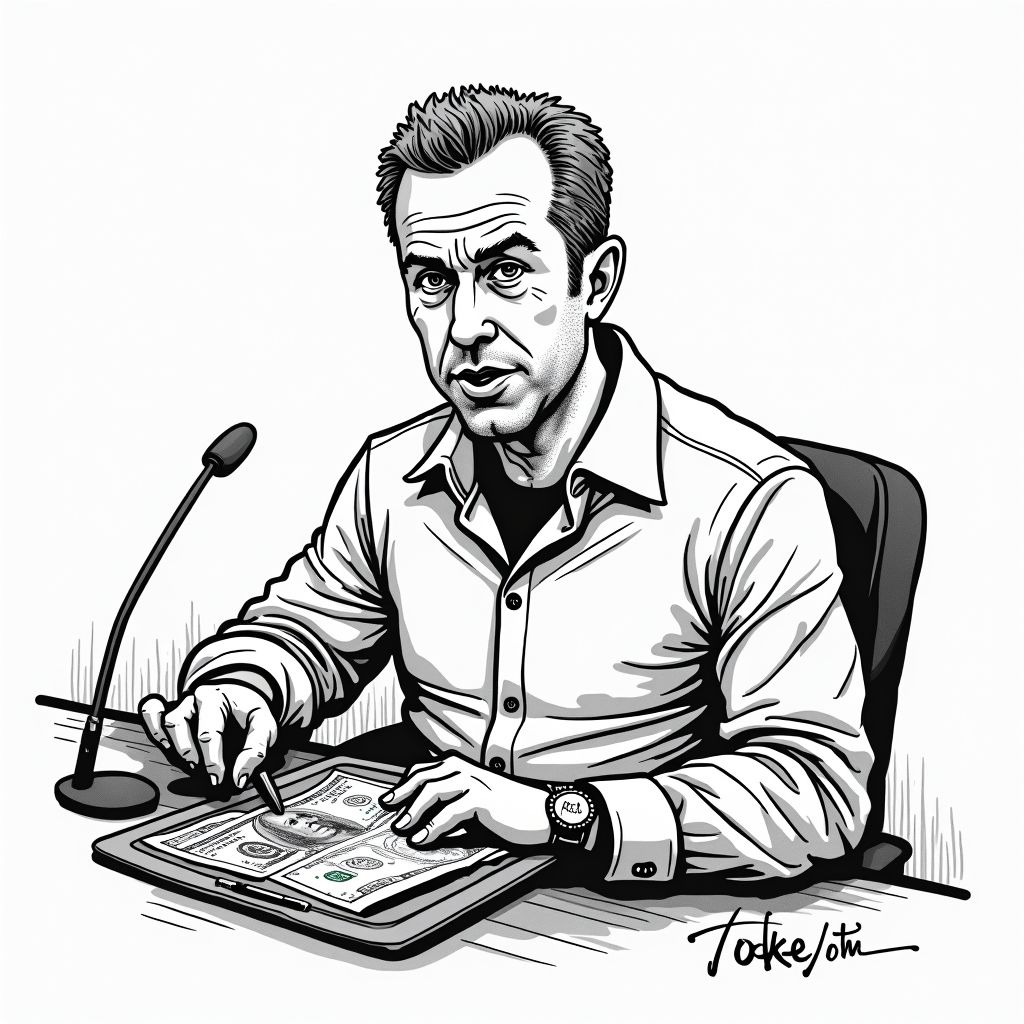
Austin, Sunday, 1 March 2026.
In a pivotal February 2026 appearance on The Joe Rogan Experience, Health and Human Services Secretary Robert F. Kennedy Jr. navigated growing tensions between his “Make America Healthy Again” platform and administration policy. Kennedy publicly conceded he was “not particularly happy” with President Trump’s executive order bolstering glyphosate production, a significant departure for the anti-pesticide advocate, though he cited the economic risks of an immediate ban to the U.S. food system. Simultaneously, Kennedy addressed the fiscal implications of border policy, alleging foreign misappropriation of U.S. funds, while managing the fallout from lethal ICE raids in Minneapolis. Despite labeling the imagery of the operations—which left two civilians dead—as “disturbing,” Kennedy attributed the ensuing public unrest to media amplification rather than federal overreach. This interview highlights the delicate balancing act Kennedy faces between maintaining his populist base and adhering to the administration’s industrial and enforcement mandates.
Navigating the Glyphosate Controversy
Secretary Kennedy’s appearance on The Joe Rogan Experience, which aired on Friday, February 27, 2026, marked a notable shift in his public stance regarding agricultural chemicals [4][8]. While Kennedy has historically been a staunch critic of pesticides, he admitted to Rogan that President Trump’s recent executive order to bolster glyphosate production was “not something that I was particularly happy with” [3][4][7]. However, Kennedy defended the administration’s pragmatic approach, arguing that an immediate ban on the herbicide would “destroy the American food system” [3]. This concession follows his previous support for the order, which he had justified as a necessary measure to domesticate chemical production and reduce reliance on adversarial nations [3]. The tension between Kennedy’s “Make America Healthy Again” (MAHA) base and the administration’s industrial priorities remains palpable, as the order previously sparked outrage among his core supporters [4].
The Minneapolis Incident and Enforcement Optics
The interview also delved into the volatile subject of immigration enforcement, specifically addressing the fallout from the January 2026 ICE raids in Minneapolis [1]. These operations resulted in the deaths of ICU nurse Alex Pretti and Renee Good, both 37, whom administration officials subsequently categorized as “domestic terrorists” [1]. While Kennedy acknowledged that “nobody is happy” with the imagery coming out of Minnesota, calling the scenes “very disturbing,” he stopped short of criticizing the federal operation itself [1]. Instead, he attributed the public outrage to the media’s amplification of “Trump derangement syndrome,” suggesting that press coverage was designed to inflame tensions rather than accurately report on law enforcement duties [1]. Kennedy further contextualized the enforcement actions by claiming that 76 individuals were shot during deportation processes under the Biden administration, asserting that approximately half were killed without generating significant headlines [1].
Economic Divergence and Fiscal Defense
Beyond social and environmental policy, Kennedy utilized the platform to defend the United States’ fiscal trajectory, contrasting it sharply with neighboring economies. Highlighting the widening economic gap between North American partners, data discussed in the context of the interview revealed that while Canada’s per-person GDP grew by only 3.184 percent from 2014 to 2024, the United States saw a robust increase of 20.159 percent over the same period [2]. As of 2024, the U.S. per-person GDP of US$72,350 stood 40.08 percent higher than Canada’s US$51,649, a disparity Kennedy used to underscore the effectiveness of current U.S. fiscal strategies despite accusations of foreign fund misappropriation [2]. This economic data serves as a critical bulwark for Kennedy as he navigates the complex political landscape, balancing the administration’s aggressive economic nationalism against the operational controversies of its enforcement agencies.
Sources
- www.thedailybeast.com
- www.todayville.com
- thehill.com
- www.eenews.net
- www.instagram.com
- www.instagram.com