British F-35 Fleet Records First Combat Victory Intercepting Iranian Drones
London, Wednesday, 4 March 2026.
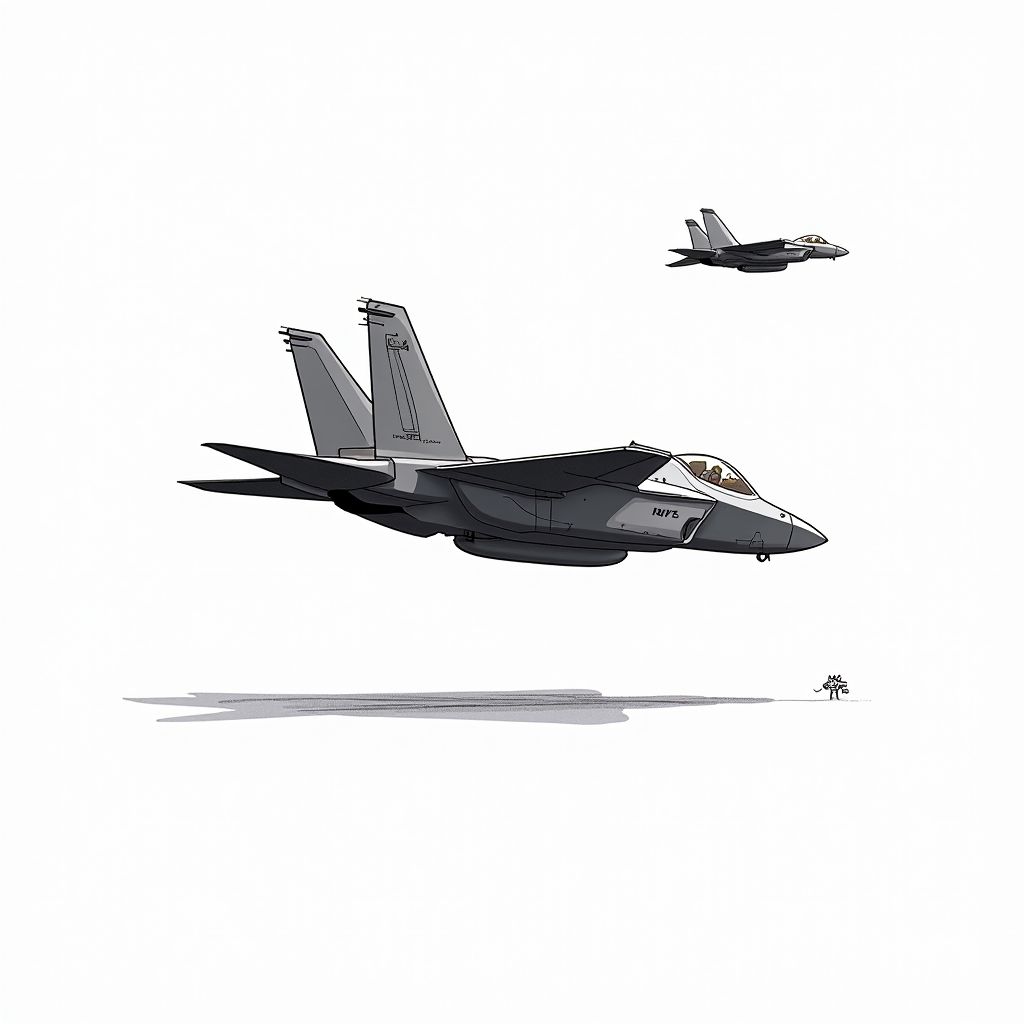
On March 1, the Royal Air Force validated the stealth platform’s combat readiness, utilizing ASRAAM missiles to intercept Iranian drones in the fleet’s first confirmed operational kill.
Operational Validation of the F-35B
On Sunday, March 1, British F-35B jets deployed Advanced Short Range Air-to-Air Missiles (ASRAAM) to destroy Iranian-designed Shahed kamikaze drones over Jordan [1][3]. This engagement represents the first time a Royal Air Force F-35 has destroyed a hostile target during active operations, validating the capabilities of the £88 million fifth-generation fighters in a contested environment [1][3]. The milestone comes 14 years after the UK first received the Lockheed Martin-manufactured jets, which reached initial operational capability in 2018 [1]. The successful interception of these unmanned aerial systems serves as a critical proof of concept for the platform’s role in modern air defense.
Regional Instability Following Leadership Decapitation
The surge in aerial hostilities is a direct repercussion of the death of Iran’s Supreme Leader, Ayatollah Ali Khamenei, in a US-Israeli strike on Saturday, February 28 [2][3]. Following the announcement of his death by former US President Donald Trump and subsequent confirmation by Iranian state media, Tehran declared a 40-day mourning period [2]. However, the volatile security situation has reportedly forced a delay in the Supreme Leader’s funeral as strikes continue to hit Tehran [4]. In retaliation, Iran has launched hundreds of missiles and drones targeting Gulf States, Israel, and US military installations, one of which resulted in the deaths of at least six service members [1].
Escalating Threats to British Assets
The conflict has expanded to directly threaten British sovereign assets in the Mediterranean. On March 1, a suspected drone strike hit RAF Akrotiri in Cyprus [1][3]. While the Ministry of Defence reported that damage was minimal and there were no casualties, the breach of security necessitated the precautionary relocation of families of service personnel stationed at the base [3]. Beyond the F-35 engagement, the RAF’s defensive posture has been active across the theater; a Typhoon fighter attached to a joint UK-Qatar squadron utilized an air-to-air missile to down a separate Iranian one-way attack drone targeting Qatar [3].
Strategic Reinforcement of the Eastern Mediterranean
In response to the intensifying drone threat, Defense Secretary John Healey announced the rapid deployment of additional naval and aerial assets on March 3 [1]. The Type 45 destroyer HMS Dragon has been dispatched to the Eastern Mediterranean, accompanied by Wildcat helicopters armed with Martlet missiles designed specifically to counter unmanned systems [1][3]. Secretary Healey described the deployment as a move to “further reinforce our defensive presence,” citing the professionalism of British forces who have intercepted hostile drones in Iraqi airspace and across the region to protect allied interests [1][3].