US Weapons Stockpiles Dwindle as Tensions Rise Over Defense Management
Camp David, Thursday, 6 August 2026.
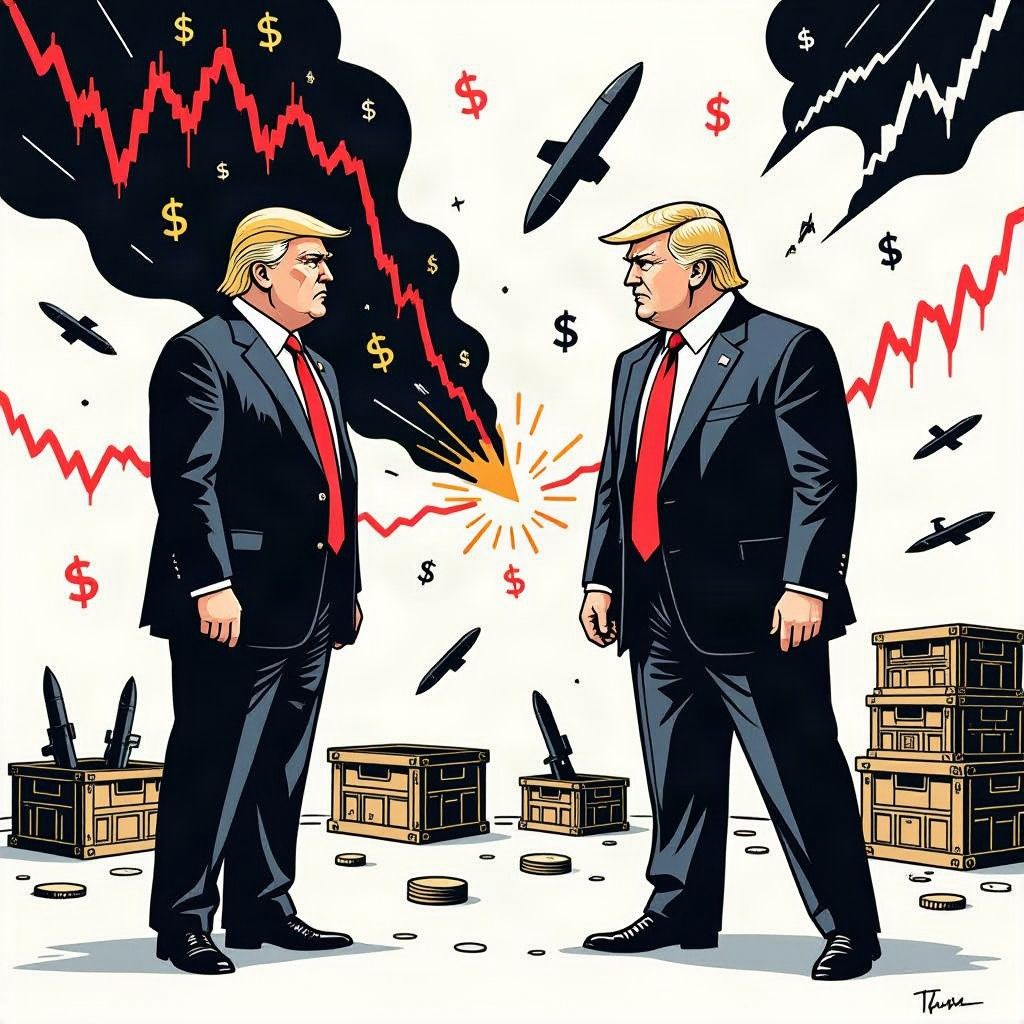
President Donald Trump confronted Defense Secretary Pete Hegseth over severe missile shortages following military action with Iran, revealing supply chain constraints that now threaten future strategy and federal defense procurement.
Internal Administration Clash Over Munitions
According to reports published on August 5, 2026, President Donald Trump demanded answers from Defense Secretary Pete Hegseth regarding extreme munitions shortages during a summit at Camp David [1]. The exchange, described by two people familiar with the discussion, highlighted the President’s frustration over being potentially misled about inventory levels critical to military options involving Iran [1][2]. This confrontation occurred during a weekend summit, marking a significant escalation in internal administration tensions regarding defense logistics [1].
Conflicting Reports on Missile Depletion
Defense Secretary Hegseth has publicly rejected claims that U.S. missile stockpiles have fallen to dangerous levels following the conflict with Iran [3]. While CNN cited multiple Pentagon sources indicating heavy usage of THAAD and Patriot interceptors, Hegseth labeled such reports as false during a public statement [3]. The White House subsequently dismissed concerns, insisting that the United States retains sufficient weapons to meet strategic objectives despite recent operations [3].
Impact on Defense Strategy
The reported shortages underscore broader strain on the U.S. defense industrial base, raising questions for defense contractors and federal procurement strategies [1]. As the administration faces these strategic inventory constraints, future policy decisions may need to address supply chain management to prevent limitations on military options [1][2]. Investors and analysts are watching closely for shifts in defense spending priorities following this revelation of potential depletion risks [1].