New York AG Challenges Legitimacy of Acting U.S. Attorney
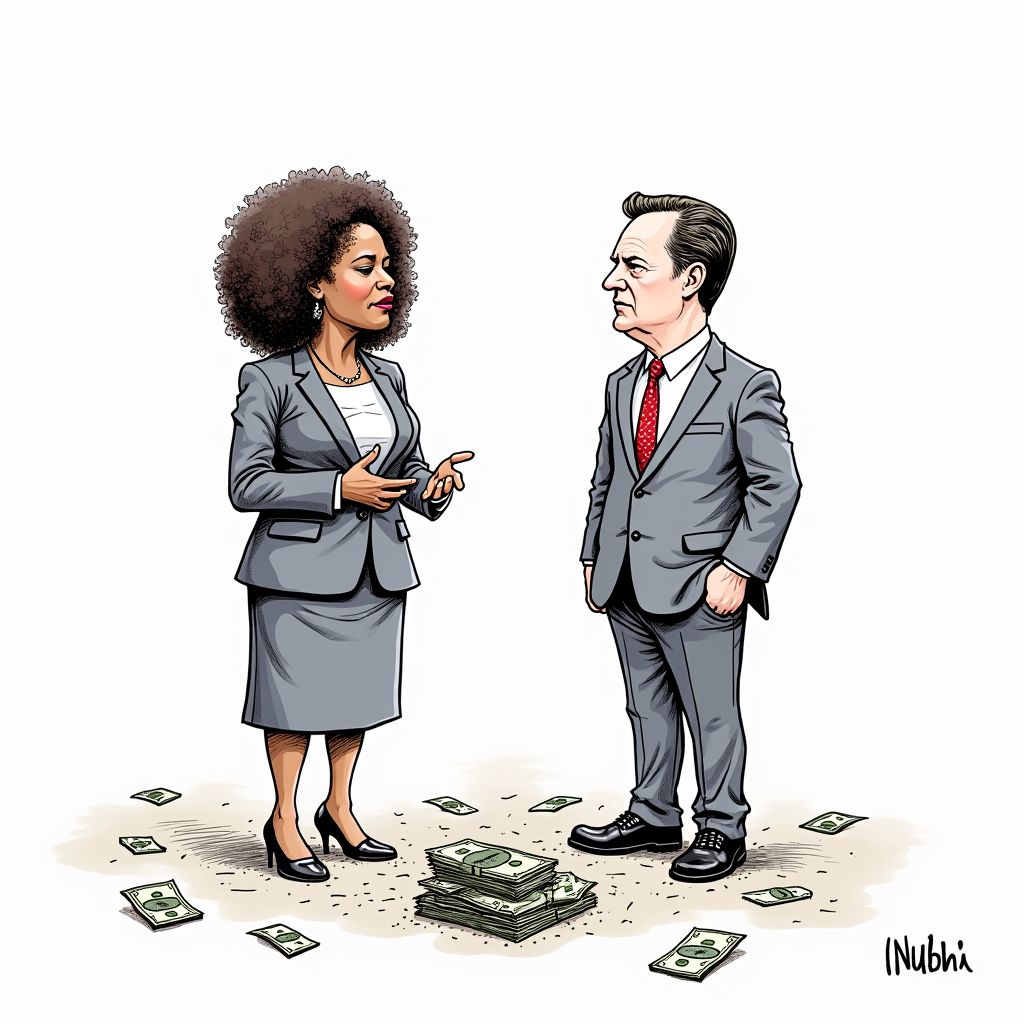
New York, Thursday, 4 December 2025.
Letitia James contests John Sarcone’s authority amid investigations involving Donald Trump, highlighting potential impacts on state-federal legal dynamics.
Context of the Legal Dispute
The legal battle between New York Attorney General Letitia James and acting U.S. Attorney John Sarcone centers on the legitimacy of Sarcone’s appointment. This dispute stems from ongoing investigations related to former President Donald Trump and lawsuits filed by James against him and the National Rifle Association. James contends that Sarcone’s authority to oversee these federal investigations is unlawful, arguing that his appointment bypasses constitutional processes required for U.S. attorneys [1][2].
Background on Sarcone’s Appointment
John Sarcone was initially appointed as the interim U.S. Attorney for the Northern District of New York by U.S. Attorney General Pam Bondi in March 2025, following the resignation of Carla Freedman, who had been nominated by former President Joe Biden. Sarcone’s interim appointment expired after 120 days, a limit set by federal law. Despite this, Bondi appointed Sarcone as a special attorney and designated him as the first assistant U.S. Attorney, allowing him to continue serving as acting U.S. Attorney. This procedural move has been contested as it circumvents traditional Senate confirmation processes [1][2][3].
Implications for State-Federal Legal Dynamics
The outcome of this legal challenge could have significant implications for the relationship between state and federal legal authorities. If James succeeds in disqualifying Sarcone, it would set a precedent affecting the interplay between state attorneys general and federal prosecutors, potentially limiting federal oversight in certain state-led investigations. This case also reflects broader tensions over the appointment and authority of acting U.S. attorneys, an issue that has led to similar disputes in other states like New Jersey and Virginia [1][3][4].
Legal Precedents and Future Developments
Several courts have previously ruled against similar appointments during the Trump administration, declaring them unlawful due to the lack of Senate confirmation. These rulings highlight potential vulnerabilities in the Justice Department’s current strategy of appointing acting U.S. attorneys without Senate approval. As the court hearing proceeds today, the decision could influence not only the immediate investigations but also future appointments under the current and subsequent administrations [1][3][5].
Sources
- apnews.com
- spectrumlocalnews.com
- www.democracydocket.com
- www.everycrsreport.com
- www.thetimes-tribune.com