Warsh Nomination Signals Strategic Pivot to Strong Dollar Policy
Washington D.C., Sunday, 1 February 2026.
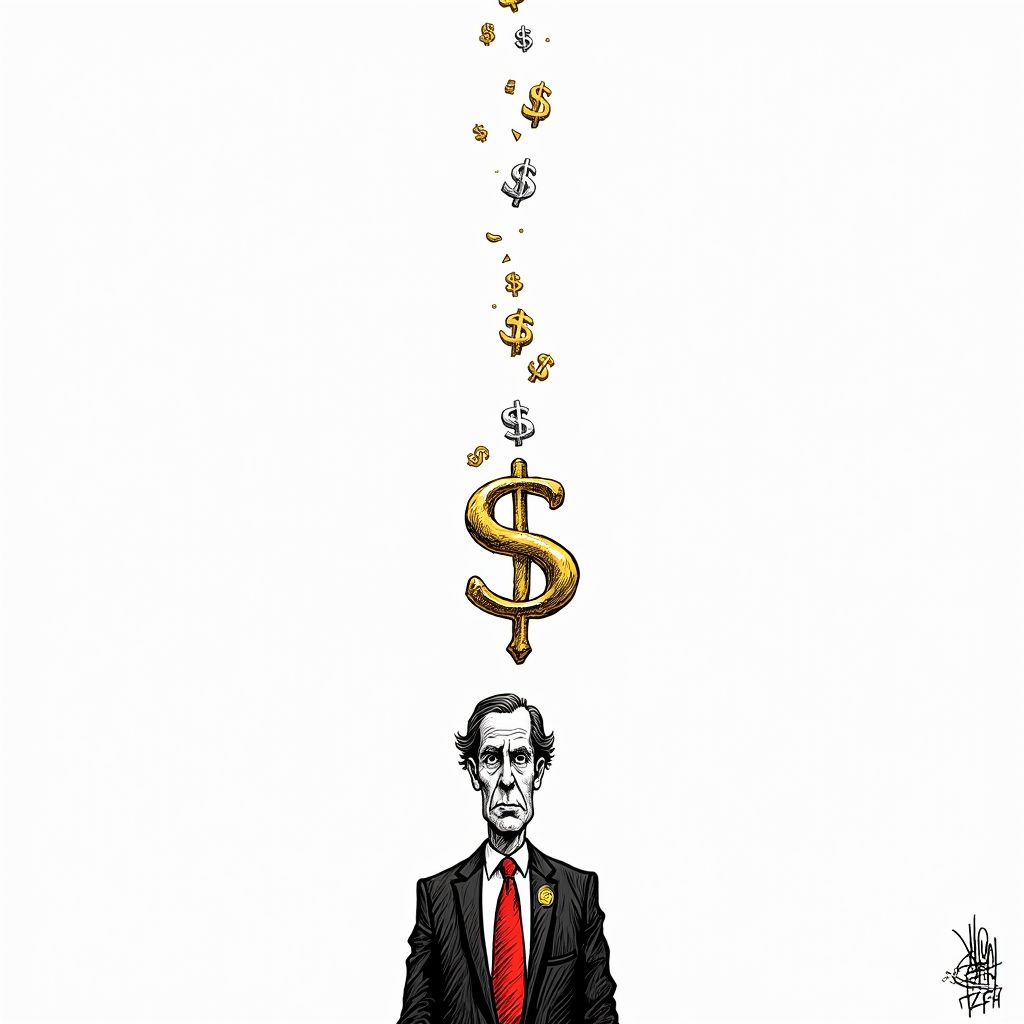
President Trump’s nomination of Kevin Warsh as Federal Reserve Chair marks a decisive pivot toward a “King Dollar” policy for 2026. This strategic shift aims to prioritize currency stability, sparking immediate volatility in global markets. Following the announcement, the U.S. dollar strengthened while commodities plummeted—gold fell over 9% and silver crashed nearly 27% in a single day. Warsh, a former Fed Governor and critic of post-crisis stimulus, proposes a new “Accord” with the Treasury to manage the balance sheet and curb inflation. Investors must now prepare for a regime change characterized by tighter monetary conditions and a potential repricing of hard assets.
Market Shockwaves and the New “Accord”
The immediate market response to the nomination has been violent, particularly in the commodities sector, signaling that investors are rapidly pricing in a regime change. On January 30, 2026, the U.S. dollar appreciated by 0.5% against a basket of currencies, a move that triggered a massive sell-off in precious metals [6]. Gold prices collapsed by 9.1% to $4,903.60 per ounce, while silver plummeted by 26.7% to $85.12 per ounce [6]. The volatility was severe enough that on the same day, Chinese financial supervisory authorities suspended the UBS SDIC Silver Futures Fund [1]. At the core of this shift is Warsh’s proposed “Accord” between the Federal Reserve and the Treasury, reminiscent of the 1951 agreement, which aims to replace the dual mandate of “Maximum Employment” with a singular focus on “Price Stability and the Defense of the Dollar Value” [1].
Balance Sheet Reduction and Monetary Rigor
Warsh’s strategy, described by analysts as a “Give and Take” approach, is expected to combine interest rate adjustments with aggressive balance sheet management [1]. Having previously criticized the Fed’s asset holdings as “bloated” and a form of “mission creep,” Warsh is likely to push for a reduction in the central bank’s $6.5 trillion portfolio, potentially through the sale of Mortgage-Backed Securities (MBS) [1][3][4]. This stands in contrast to the post-financial crisis stimulus measures he opposed during his tenure as a Governor from 2006 to 2011, where he notably voted against the second round of quantitative easing [2]. While President Trump has emphasized the need for lower rates to assist the housing market and manage the $37 trillion national debt, Warsh’s philosophy suggests that any rate accommodation will be balanced against strict defense of the currency [2][5].
Political Headwinds and Confirmation Challenges
The transition of power comes at a tumultuous time for the Federal Reserve. Current Chair Jerome Powell, whose term expires in May 2026, is currently the subject of a federal criminal investigation regarding alleged false testimony to Congress [7]. This legal backdrop has complicated the confirmation process; Republican Senator Thom Tillis has explicitly stated he will block any nominee until the investigation into Powell is resolved [2][6]. With Republicans holding a 53-47 majority in the Senate, Warsh requires 51 votes for confirmation, making party unity essential for his appointment [6]. Furthermore, critics have raised concerns about the politicization of the Fed, citing Warsh’s close ties to the administration and his father-in-law, Ronald Lauder, a confidant of the President [1][5].
Strategic Implications for 2026
If confirmed, Warsh is expected to bring a forward-looking perspective to the Fed, moving away from the purely data-dependent approach that characterized the post-2021 inflation surge [4]. Economist Mohamed El-Erian suggests that Warsh could bring “fresh air” to the institution, helping it regain its strategic muscle after years of reactive policy [4]. However, the path forward is fraught with complexity; TMM Macro notes that the market is shifting from a “boxing match to a Mixed Martial Arts fight,” indicating that the variables facing the new Chair—from geopolitical trade dynamics to domestic debt management—will require nuanced and decisive action [1].
Sources
- tmmmacro.com
- www.cnbc.com
- www.pbs.org
- www.politico.com
- theconversation.com
- www.theguardian.com
- abcnews.go.com