Hong Kong Abandons Free Market Tradition for Historic State-Led Economic Plan
Hong Kong, Sunday, 19 April 2026.
Breaking decades of minimal intervention, Hong Kong is drafting its first five-year plan to align with China’s state-led economy, prompting global investors to reassess their Asia-Pacific strategies.
A Paradigm Shift in Economic Philosophy
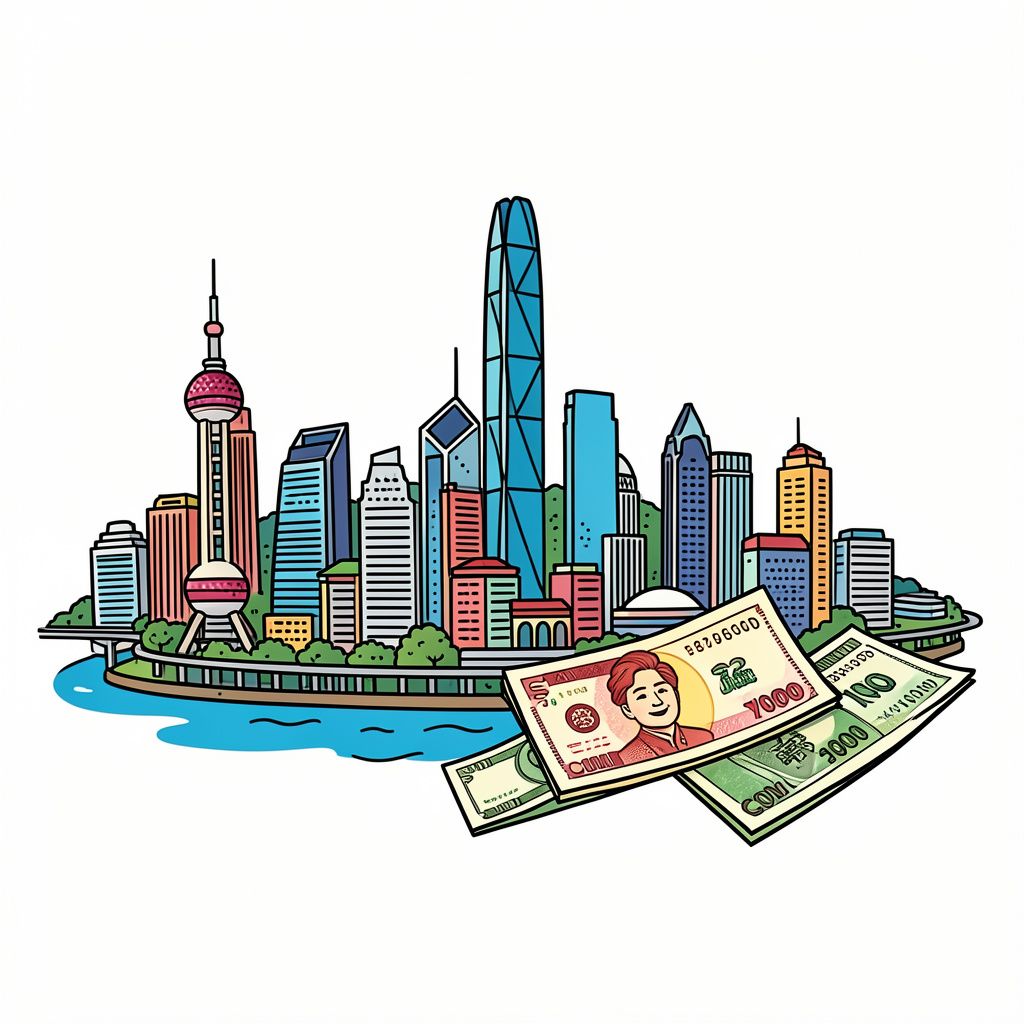
For the first time in its history, Hong Kong is stepping away from its long-standing doctrine of minimal economic intervention [1]. Chief Executive John Lee Ka-chiu has mandated all policy bureaus to draft proposals for the city’s inaugural five-year plan by the end of 2026 [1]. To spearhead this monumental transition, veteran civil servant Janice Tse Siu-wah has been brought out of retirement [1]. The Legislative Council is also actively involved, having formed a committee backed by six coordinating groups that cover nearly every major policy domain [1]. This administrative overhaul represents a cautious but unmistakable pivot toward a state-led development strategy, mirroring the model utilized by mainland China [1].
Geopolitics and the “Mega Event” Strategy
As Hong Kong restructures its domestic policies, external geopolitical pressures are actively testing its financial resilience [GPT]. The ongoing conflict in Iran has introduced significant headwinds for the city’s tourism sector, primarily through soaring fuel prices and an increase in flight cancellations [2]. Despite these macroeconomic shocks, the local banking sector appears insulated from direct fallout; Eddie Yue, Deputy Chief Executive of the Hong Kong Monetary Authority (HKMA), recently confirmed that Hong Kong banks maintain a low risk exposure to Middle Eastern business operations [4].
Financial Infrastructure and the Green Transition
Underpinning this economic transition is the robust infrastructure managed by the HKMA [3]. The central banking institution continues to stabilize the financial environment through mechanisms such as the Linked Exchange Rate System, comprehensive liquidity facilities across the Hong Kong Dollar, Renminbi, and United States Dollar, and strategic currency swap agreements with the People’s Bank of China (PBoC) [3]. These foundational systems provide the necessary stability for Hong Kong to experiment with state-led planning without triggering capital flight [alert! ‘This is an analytical deduction based on the HKMA stabilizing frameworks’].
Maintaining Trust in the Banking Sector
As Hong Kong integrates new technologies and financial models, safeguarding consumer trust remains a critical priority for regulatory bodies [GPT]. On April 17, 2026, the HKMA issued a widespread scam alert concerning fraudulent banking communications, specifically highlighting a wave of phishing instant messages targeting customers of The Hongkong and Shanghai Banking Corporation Limited (HSBC) [6].